MinuteRead
30 min
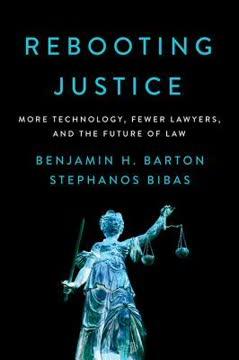
The American legal system rests on a promise. The promise says that when you walk into a courtroom, the quality of justice you receive will not depend on the size of your bank account. It says that the law protects everyone equally. It says that if you are accused of a crime, you will have a lawyer. It says that if someone wrongs you, you can seek a remedy. These promises are woven into the founding documents, the landmark Supreme Court decisions, and the everyday rhetoric of American civic life
**Author:** Benjamin H. Barton
**Estimated Reading Time:** 45 minutes
**What You'll Learn:**
- Why the American legal system fails most Americans despite constitutional promises - How the legal profession's monopoly contributes to the access crisis - What technology, simplified courts, and paraprofessionals can do to help - Practical reforms that could make justice affordable and accessible - How these ideas apply to your own legal needs and civic understanding
**Who This Book Is For:**
Anyone who has ever wondered whether they could afford a lawyer. Anyone who has faced a legal problem and felt lost. Anyone who believes the promise of equal justice under law should mean something real. This book is for citizens, policymakers, entrepreneurs, and lawyers who suspect the system is broken and want to understand why, along with what can actually be done about it.
The American legal system rests on a promise. The promise says that when you walk into a courtroom, the quality of justice you receive will not depend on the size of your bank account. It says that the law protects everyone equally. It says that if you are accused of a crime, you will have a lawyer. It says that if someone wrongs you, you can seek a remedy. These promises are woven into the founding documents, the landmark Supreme Court decisions, and the everyday rhetoric of American civic life. The reality is starkly different. In the United States today, the legal system works reasonably well for the wealthy and large corporations. It works passably for the very poor in criminal cases, at least on paper. But for the vast middle of the country, and for poor people facing civil legal problems, the system has become effectively inaccessible. Most Americans cannot afford a lawyer. Most Americans cannot navigate the courts on their own. Most Americans simply give up when faced with a legal problem, absorbing the loss, accepting the injustice, and moving on with a diminished faith in the institutions that are supposed to protect them. This is not a small problem. It touches housing, employment, family, debt, immigration, and criminal justice. It determines who keeps their home, who keeps their children, who keeps their freedom. And it is getting worse. The causes are numerous. Legal education has become extraordinarily expensive, which drives up the cost of legal services. The legal profession has maintained strict rules about who can provide legal help, limiting competition and innovation. Courts have become more complex and procedural, requiring professional navigation. Public defender offices are chronically underfunded and overwhelmed. And the legal profession itself has resisted most attempts at meaningful reform. Benjamin Barton, a law professor and legal scholar, examines this crisis with a clear eye and…
Continue reading in the MinuteRead app
Get the complete 30-minute summary of Rebooting Justice
Get the complete summary in the appThe American legal system fails most Americans because it is too expensive and too complex.
The right to counsel is meaningless without adequate funding for public defenders.
The civil justice gap leaves the middle class and the poor without legal help.
The legal profession's monopoly limits competition and keeps prices high.
Technology can reduce the cost of routine legal services.
Courts must simplify procedures to serve self-represented litigants.
"Rebooting Justice" is a strong fit if you want practical ideas around science, law, especially themes like the american legal system fails most americans because it is too expensive and too complex; the right to counsel is meaningless without adequate funding for public defenders. The MinuteRead summary distills these concepts into a focused read, whether you're deciding whether to buy the book or applying its lessons at work.
Benjamin H. Barton is the author of "Rebooting Justice," a book that critically examines the legal system and proposes reforms to improve access to justice. As an expert in the field, Barton offers a comprehensive analysis of the legal profession's evolution and its current challenges. His work combines historical insights with forward-thinking solutions, addressing issues such as the role of lawyers in the justice system and the provision of legal services to indigent defendants. Barton's writi…
View all summaries by Benjamin H. BartonContinue Reading
Access the complete 30-minute summary and thousands more nonfiction books in the MinuteRead app.

Continue reading the complete summary in the MinuteRead app.