MinuteRead
30 min
Book summary
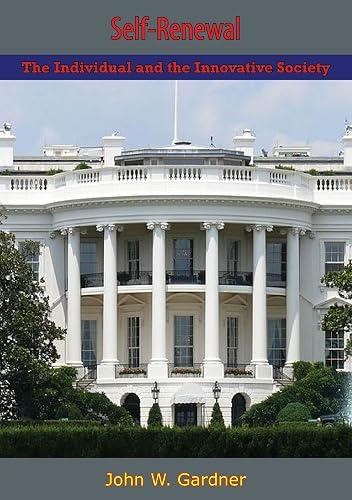
by John W. Gardner
Premium summary · Opens in the app · 30 min read
Every society, every organization, every individual faces the same quiet enemy. It is not external attack or sudden catastrophe. It is the gradual hardening of the arteries, the slow accumulation of habits that once served well but now constrain. It is the loss of flexibility, the fading of curiosity, the growing preference for the familiar over the new.
**Author:** John W. Gardner
**Estimated Reading Time:** 45 minutes
**What You'll Learn:**
- Why individuals and societies decay despite past success - The essential difference between stagnation and renewal - How to cultivate personal growth that lasts a lifetime - What makes organizations capable of continuous adaptation - The relationship between creativity, commitment, and meaning - How to balance individual freedom with social responsibility
**Who This Book Is For:**
This book is for anyone who has sensed that something vital is slipping away. It is for leaders watching their organizations harden into rigid patterns. It is for individuals who feel themselves narrowing as they age. It is for citizens concerned that their society has lost its capacity to adapt. If you have ever wondered why some people remain curious and alive at eighty while others are finished at thirty, this book offers an answer.
Every society, every organization, every individual faces the same quiet enemy. It is not external attack or sudden catastrophe. It is the gradual hardening of the arteries, the slow accumulation of habits that once served well but now constrain. It is the loss of flexibility, the fading of curiosity, the growing preference for the familiar over the new. John W. Gardner wrote Self-Renewal in 1963, but the problem he addressed has only grown more urgent. He observed something troubling about human institutions. They are founded by energetic, innovative people. They grow and succeed. And then, almost imperceptibly, they begin to decline. The very success that made them great becomes the source of their rigidity. The patterns that worked become sacred. The willingness to experiment fades. The organization continues to function, sometimes for decades, but the vitality is gone. Gardner saw this pattern everywhere. In government agencies that had lost their sense of mission. In corporations that had stopped innovating. In universities that had become more interested in protecting their prestige than in pursuing truth. And in individuals who had settled into comfortable routines and stopped growing. The central question of the book is deceptively simple. Why do some people and institutions remain vital while others decay? And more importantly, what can be done about it? Gardner's answer is that renewal is not a mysterious gift bestowed on a lucky few. It is a capacity that can be understood, cultivated, and deliberately maintained. It requires effort and attention, but it is available to anyone willing to do the work. The stakes could not be higher. Societies that fail to renew themselves eventually collapse or are overtaken by more adaptable competitors. Organizations that cannot change become irrelevant. Individuals who stop growing experience a kind of living death, going through the motions without genuine engagement. But Gardner was not…
Continue reading in the MinuteRead app
Get the complete 30-minute summary of Self-Renewal
Get the complete summary in the appDecay is natural. Renewal requires deliberate, continuous effort.
Self-knowledge is the foundation of self-renewal. You cannot grow if you do not know yourself.
Creativity is not a rare gift. It is a capacity that can be cultivated in the right environment.
The most important obstacles to renewal are internal habits of thought, not external circumstances.
Organizations must be designed for adaptability. Structure shapes behavior more than intentions.
Individuality and social responsibility are complementary, not opposed.
"Self-Renewal" is a strong fit if you want practical ideas around psychology, self help, leadership, especially themes like decay is natural. renewal requires deliberate, continuous effort; self-knowledge is the foundation of self-renewal. you cannot grow if you do not know yourself. The MinuteRead summary distills these concepts into a focused read, whether you're deciding whether to buy the book or applying its lessons at work.
Motivated to help readers with society that has learned the secret of renewal will be a more interesting and more vibrant society, John W. Gardner wrote “Self-Renewal” to package those ideas for a fast, focused read. In “Self-Renewal”, John W. Gardner focuses on society that has learned the secret of renewal will be a more interesting and more vibrant society. Through “Self-Renewal”, John W. Gardner distills the core ideas on psychology into lessons readers can absorb in a single short sitting. …
Continue Reading
Access the complete 30-minute summary and thousands more nonfiction books in the MinuteRead app.

Continue reading the complete summary in the MinuteRead app.