MinuteRead
30 min
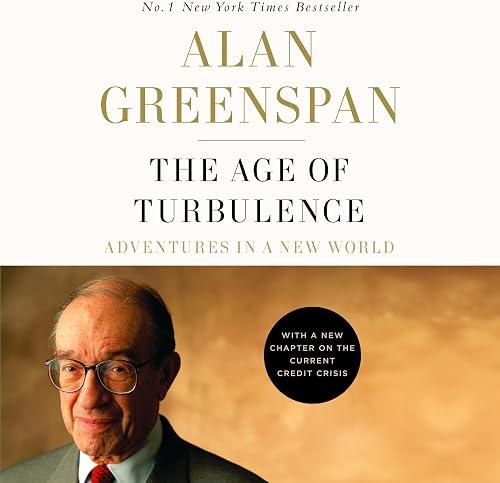
Book summary
by Alan Greenspan
Premium summary · Opens in the app · 30 min read
The global economy is not a machine. It is a living, breathing system shaped by human choices, cultural values, institutional quality, and unpredictable shocks. For most people, economics feels abstract, distant, and impossibly complex. They see headlines about interest rates, inflation, and GDP growth without understanding what these forces mean for their own lives. They sense that something important is happening but cannot quite grasp the underlying logic.
**Author:** Alan Greenspan
**Estimated Reading Time:** 45 minutes
**What You'll Learn:**
- Why property rights form the bedrock of all economic progress - How trust and reputation quietly power every market transaction - Why natural resources can become an economic curse - What makes economies resilient in the face of shocks - How globalization has lifted billions out of poverty - Why political dysfunction threatens economic stability - What central banking actually requires in a complex world
**Who This Book Is For:**
This book is for anyone who wants to understand how the global economy actually works. It is for readers who sense that economic forces shape their lives but feel disconnected from the mechanisms behind them. It is for investors, entrepreneurs, policymakers, students, and curious minds who want a clearer picture of the invisible systems that determine prosperity and poverty. Alan Greenspan spent nearly two decades at the helm of the Federal Reserve, navigating recessions, financial crises, and technological revolutions. His perspective combines deep theoretical knowledge with hard-won practical experience. This condensed edition captures the essential insights from his remarkable career and presents them in a way that is accessible, engaging, and immediately useful.
The global economy is not a machine. It is a living, breathing system shaped by human choices, cultural values, institutional quality, and unpredictable shocks. For most people, economics feels abstract, distant, and impossibly complex. They see headlines about interest rates, inflation, and GDP growth without understanding what these forces mean for their own lives. They sense that something important is happening but cannot quite grasp the underlying logic. Alan Greenspan wrote The Age of Turbulence to bridge this gap. After serving as Chairman of the Federal Reserve from 1987 to 2006, he stepped back to reflect on what he had learned. The book is part memoir, part economic analysis, and part meditation on the forces shaping the modern world. It offers a rare insider's perspective on how economic policy actually gets made, what works, what fails, and why. Greenspan's central insight is deceptively simple: economic growth is not primarily about money, resources, or technology. It is about institutions. Specifically, it is about the rules, norms, and cultural values that determine whether people can own property, trust one another, and compete freely. When these foundations are strong, economies flourish. When they are weak, no amount of natural wealth or government intervention can compensate. This matters because the world is entering an age of unprecedented turbulence. Technological change is accelerating. Global power is shifting. Financial markets are becoming more interconnected. Political systems are straining under the weight of polarization and short-term thinking. Understanding the fundamental drivers of economic success has never been more important. Greenspan's approach is…
Continue reading in the MinuteRead app
Get the complete 30-minute summary of The Age of Turbulence
Get the complete summary in the appProperty rights are the foundation of all economic progress. Without secure ownership, people will not invest, save, or
Trust is essential for markets to function. Reputation is a valuable economic asset that enables transactions and reduce
Competition drives innovation, efficiency, and rising living standards. Creative destruction is painful but necessary.
Institutional quality determines economic success more than any other factor. The rule of law, transparent governance, a
Natural resources can become an economic curse if they are not managed carefully. The resource curse is as much politica
Economic flexibility is crucial for surviving shocks and seizing opportunities. Rigid economies are vulnerable to disrup
"The Age of Turbulence" is a strong fit if you want practical ideas around economics, finance, business, especially themes like property rights are the foundation of all economic progress. without secure ownership, people will not invest, save, or; trust is essential for markets to function. reputation is a valuable economic asset that enables transactions and reduce. The MinuteRead summary distills these concepts into a focused read, whether you're deciding whether to buy the book or applying its lessons at work.
Motivated to help readers with "People generally do not exert the effort to accumulate the capital necessary for economic growth unless they, Alan Greenspan wrote “The Age of Turbulence” to package those ideas for a fast, focused read. In “The Age of Turbulence”, Alan Greenspan focuses on "People generally do not exert the effort to accumulate the capital necessary for economic growth unless they. Through “The Age of Turbulence”, Alan Greenspan distills the core ideas on economics into lessons r…
Continue Reading
Access the complete 30-minute summary and thousands more nonfiction books in the MinuteRead app.

Continue reading the complete summary in the MinuteRead app.