MinuteRead
30 min
Book summary
Premium summary · Opens in the app · 30 min read
The stock market is one of the most sophisticated systems ever created by human beings. It processes millions of transactions daily, incorporates vast amounts of information, and allocates trillions of dollars across the global economy. The technology behind modern trading would have been unimaginable just a few decades ago. Algorithms execute trades in microseconds. Data streams from every corner of the planet. Sophisticated models attempt to predict everything from quarterly earnings to macroe
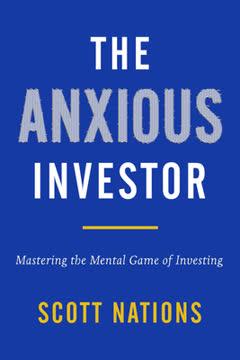
**Author:** Scott Nations
**Estimated Reading Time:** 45 minutes
**What You'll Learn:**
* Why intelligent people make irrational investment decisions * How ancient psychological wiring sabotages modern portfolios * The specific biases that cost investors real money * Historical case studies that reveal recurring patterns of market madness * Practical strategies to recognize and resist emotional investing
**Who This Book Is For:**
Anyone who has ever felt the urge to sell during a market crash, buy during a euphoric rally, or check their portfolio obsessively during volatile periods. Whether you are a seasoned investor or just beginning, this book explains why your brain works against you in financial markets and what you can do about it.
The stock market is one of the most sophisticated systems ever created by human beings. It processes millions of transactions daily, incorporates vast amounts of information, and allocates trillions of dollars across the global economy. The technology behind modern trading would have been unimaginable just a few decades ago. Algorithms execute trades in microseconds. Data streams from every corner of the planet. Sophisticated models attempt to predict everything from quarterly earnings to macroeconomic shifts. Yet beneath all this technological sophistication lies something remarkably primitive: the human brain. The brain that makes your investment decisions was not designed for modern financial markets. It was designed for survival on the savanna, where quick emotional reactions meant the difference between life and death. When you see your portfolio dropping sharply, the same neural circuitry that once helped your ancestors flee predators kicks into gear. When you watch a stock soaring and feel the urge to buy, you are experiencing the same social impulses that once helped early humans coordinate group behavior. This mismatch between ancient wiring and modern markets creates a fundamental problem. The financial system assumes rational actors making logical decisions based on available information. But actual human beings are emotional creatures whose decisions are shaped by fear, greed, hope, regret, and a host of cognitive biases that operate below conscious awareness. Scott Nations wrote The Anxious Investor to address this gap between how markets are supposed to work and how investors actually behave. Drawing on decades of market history and insights from behavioral economics, he demonstrates that the biggest threat to your portfolio is not market volatility, inflation, or economic downturns. The biggest threat is your own psychology. The book's central insight is both humbling and liberating. Humbling because it reveals that even sophisticated investors fall prey to the same biases that have plagued markets for centuries. Liberating because once you understand these patterns, you can begin to recognize them in your own behavior and take steps to counteract them. Nations traces these patterns through some…
Continue reading in the MinuteRead app
Get the complete 30-minute summary of The Anxious Investor
Get the complete summary in the app**Emotions, not information, drive investment decisions.** Your brain was designed for survival on the savanna, not for
**Losses hurt twice as much as gains feel good.** This asymmetry explains most irrational investment behavior.
**You will want to sell winners and keep losers.** Resist this urge. The stocks you sell will likely outperform the stoc
**You are probably overconfident.** Trade less. Keep a journal. Develop a realistic assessment of your abilities.
**The crowd is usually wrong at extremes.** When everyone is buying, be cautious. When everyone is selling, look for opp
**Recent events loom too large in your mind.** Review long-term data before making decisions based on recent market move
"The Anxious Investor" is a strong fit if you want practical ideas around finance, self help, business, especially themes like **emotions, not information, drive investment decisions.** your brain was designed for survival on the savanna, not for; **losses hurt twice as much as gains feel good.** this asymmetry explains most irrational investment behavior. The MinuteRead summary distills these concepts into a focused read, whether you're deciding whether to buy the book or applying its lessons at work.
Scott Nations is an author and financial expert known for his work on behavioral finance and investment psychology. He has written The Anxious Investor , which explores the psychological aspects of investing and how emotions can impact financial decision-making. Nations draws on historical market events to illustrate common pitfalls and biases that affect investors. His approach combines economic history with insights from cognitive psychology to provide readers with a comprehensive understandin…
View all summaries by Scott NationsContinue Reading
Access the complete 30-minute summary and thousands more nonfiction books in the MinuteRead app.

Continue reading the complete summary in the MinuteRead app.