MinuteRead
30 min
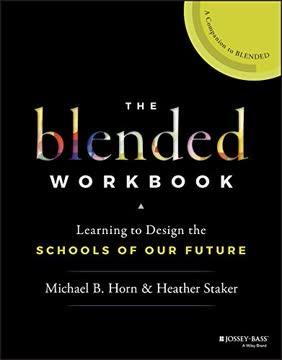
Every year, schools across the country spend billions of dollars on educational technology. They buy laptops, tablets, interactive whiteboards, and software licenses. They upgrade wireless networks and redesign classrooms. They attend conferences and listen to vendors promise that their products will transform student outcomes.
**Author:** Michael B. Horn
**Estimated Reading Time:** 45 minutes
**What You'll Learn:** - How to define the real problem your school needs to solve before investing in technology - Why student motivation, not software, determines whether blended learning succeeds - How to choose the right blended learning model for your specific context - What it takes to build a sustainable budget and a culture that supports innovation - How to test your assumptions before scaling a program that could fail expensively
**Who This Book Is For:** School leaders, instructional coaches, teachers, and district administrators who are planning or implementing blended learning initiatives. It is also for anyone who wants to move beyond buying devices and hoping for the best, and instead build a thoughtful, evidence-driven approach to transforming how students learn.
Every year, schools across the country spend billions of dollars on educational technology. They buy laptops, tablets, interactive whiteboards, and software licenses. They upgrade wireless networks and redesign classrooms. They attend conferences and listen to vendors promise that their products will transform student outcomes. And every year, most of those investments fail to deliver. The problem is not the technology. The problem is that schools rarely have a plan. They purchase devices without a clear sense of what problem they are trying to solve. They adopt software without understanding how it fits into the daily rhythm of teaching and learning. They launch initiatives without defining what success looks like or how they will measure it. Then, when results disappoint, they blame the tools rather than the absence of strategy. This book exists to change that pattern. Michael B. Horn has spent his career studying how innovation works in education. As a co-founder of the Clayton Christensen Institute, he has examined hundreds of schools and districts attempting to integrate technology into their classrooms. The pattern he observed is consistent: schools that succeed are not the ones with the most expensive devices or the flashiest software. They are the ones that treat blended learning as a design challenge, not a shopping exercise. Blended learning, at its core, is the combination of online learning and traditional face-to-face instruction, with students having some control over the time, place, path, or pace of their learning. That definition sounds simple. But implementing it well requires careful thought about curriculum, teacher roles, physical space, school culture, and financial sustainability. The challenge is that most educators are never trained to think this way. They are trained to teach, not to design systems. They are experts in pedagogy, not in organizational change. When asked to lead a blended learning initiative, they often feel overwhelmed by the complexity of the task. They do not know where to start, what…
Continue reading in the MinuteRead app
Get the complete 30-minute summary of Blended Workbook
Get the complete summary in the appStart with the problem, not the technology. Define the specific educational challenge you are trying to solve before pur
Set SMART goals that are Specific, Measurable, Assignable, Realistic, and Time-related.
Assemble a diverse team that includes teachers, technology specialists, data analysts, and skeptics.
Design for student motivation using the jobs-to-be-done framework: students want to feel successful, have fun with frien
Elevate teachers by redesigning their roles, providing ongoing professional development, and giving them time to collabo
Audit your environment before investing in devices. Reliable internet access is the most important investment.
"Blended Workbook" is a strong fit if you want practical ideas around education, especially themes like start with the problem, not the technology. define the specific educational challenge you are trying to solve before pur; set smart goals that are specific, measurable, assignable, realistic, and time-related. The MinuteRead summary distills these concepts into a focused read, whether you're deciding whether to buy the book or applying its lessons at work.
Michael B. Horn is an influential figure in education innovation, authoring numerous books on disruptive innovation in learning. He co-founded the Clayton Christensen Institute for Disruptive Innovation and hosts popular education podcasts. Horn contributes to Forbes.com and writes a newsletter on the future of education. He serves on boards of various education organizations and is a senior strategist at Guild Education. Recognized for his impact, he was named an Eisenhower Fellow and listed am…
View all summaries by Michael B. HornContinue Reading
Access the complete 30-minute summary and thousands more nonfiction books in the MinuteRead app.

Continue reading the complete summary in the MinuteRead app.