MinuteRead
30 min
Book summary
by David R. Lewis
Premium summary · Opens in the app · 30 min read
Every day, the average person encounters thousands of marketing messages. They appear on billboards during the morning commute, interrupt videos on streaming platforms, populate social media feeds, and whisper from radio speakers in grocery stores. Most of these messages pass through our awareness without conscious recognition. We believe we are immune to their influence. We tell ourselves that advertising only affects other people, the gullible ones, the easily manipulated. This belief is not j
**Author:** David R. Lewis
**Estimated Reading Time:** 45 minutes
**What You'll Learn:**
- How advertising shapes culture, identity, and desire far beyond simple product promotion - The neuroscience behind why we buy and how marketers exploit it - The hidden techniques used in retail environments, branding, and digital marketing - How Big Data and mobile technology have transformed persuasion - Practical strategies to regain control over your purchasing decisions
**Who This Book Is For:**
Anyone who has ever wondered why they bought something they did not need, felt an inexplicable loyalty to a brand, or suspected that modern marketing operates on a level most of us never consciously perceive. This book is for consumers who want to understand the invisible forces shaping their choices and for professionals who want to understand the machinery of persuasion from the inside.
Every day, the average person encounters thousands of marketing messages. They appear on billboards during the morning commute, interrupt videos on streaming platforms, populate social media feeds, and whisper from radio speakers in grocery stores. Most of these messages pass through our awareness without conscious recognition. We believe we are immune to their influence. We tell ourselves that advertising only affects other people, the gullible ones, the easily manipulated. This belief is not just wrong. It is precisely the assumption that makes modern persuasion so effective. The advertising industry has undergone a profound transformation over the past several decades. What began as straightforward announcements about product availability and price has evolved into a sophisticated system of psychological influence that touches nearly every aspect of modern life. The most effective advertising no longer looks like advertising at all. It appears as entertainment, as social connection, as personal recommendation, as the natural background of daily existence. This invisibility is its greatest strength. David R. Lewis argues that advertising has become both the creator and perpetuator of the dominant attitudes, values, and ideology of our culture. It establishes the social norms and myths by which most people live. It defines what success looks like, what happiness requires, what beauty means, and what a meaningful life should contain. When we absorb these messages without examination, we unconsciously accept a vision of the good life that has been constructed not for our benefit but for the benefit of those who sell products. The stakes extend far beyond individual purchasing decisions. Advertising shapes how we think about ourselves, our relationships, our bodies, and our place in society. It influences political discourse, cultural values, and social expectations. It creates artificial needs and then offers products to satisfy them. It manufactures dissatisfaction and then sells relief. It promises transformation and delivers only temporary emotional states that fade quickly, requiring another…
Continue reading in the MinuteRead app
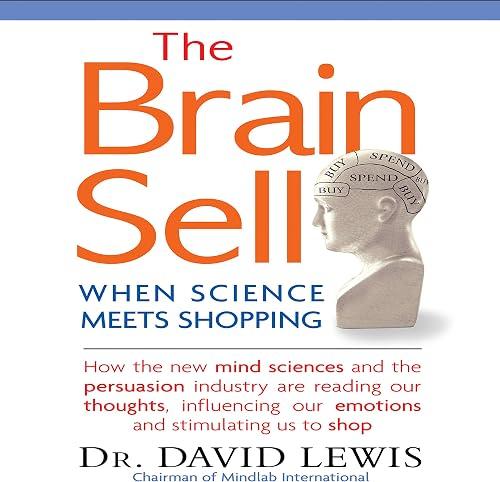
Get the complete 30-minute summary of The Brain Sell
Get the complete summary in the appAdvertising shapes cultural values and social norms, not just purchasing decisions.
Most purchasing decisions occur below conscious awareness, driven by emotion rather than reason.
Brands are symbols of aspirations, representing desired self-qualities such as sophistication or status.
Retail environments are engineered to influence behavior through lighting, music, scent, and layout.
The Gruen transfer describes the shift from goal-oriented shopping to open-ended browsing.
Emotional branding creates loyalty that benefits companies, not necessarily consumers.
"The Brain Sell" is a strong fit if you want practical ideas around psychology, business, science, especially themes like advertising shapes cultural values and social norms, not just purchasing decisions; most purchasing decisions occur below conscious awareness, driven by emotion rather than reason. The MinuteRead summary distills these concepts into a focused read, whether you're deciding whether to buy the book or applying its lessons at work.
Motivated to help readers with "Advertising… is both the creator and perpetuator of the dominant attitudes, David R. Lewis wrote “The Brain Sell” to package those ideas for a fast, focused read. In “The Brain Sell”, David R. Lewis focuses on "Advertising… is both the creator and perpetuator of the dominant attitudes. Through “The Brain Sell”, David R. Lewis distills the core ideas on psychology into lessons readers can absorb in a single short sitting. Readers turn to this work when they want Da…
Continue Reading
Access the complete 30-minute summary and thousands more nonfiction books in the MinuteRead app.

Continue reading the complete summary in the MinuteRead app.