MinuteRead
30 min
Book summary
Premium summary · Opens in the app · 30 min read
Life is conflict. This is not a cynical statement. It is a fundamental reality that most people spend their lives denying. Every day, you encounter resistance. A competitor launches a product that threatens your business. A colleague takes credit for your work. A negotiation stalls because the other side refuses to budge. A relationship deteriorates because neither person knows how to navigate the tension.
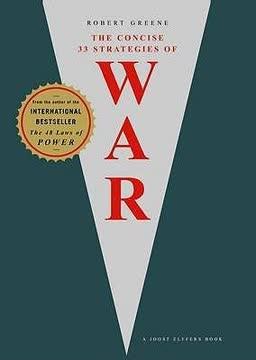
**Author:** Robert Greene
**Estimated Reading Time:** 45 minutes
**What You'll Learn:**
- How to think strategically in every area of life - Why the greatest victories come without fighting - How to turn weakness into strength and aggression into advantage - The mental frameworks used by history's greatest leaders - How to apply timeless military wisdom to modern challenges
**Who This Book Is For:**
Anyone who faces conflict, competition, or resistance. Whether you are navigating office politics, building a business, managing relationships, or pursuing ambitious goals, the principles of strategy apply. This book is for those who want to stop reacting and start thinking several moves ahead.
Life is conflict. This is not a cynical statement. It is a fundamental reality that most people spend their lives denying. Every day, you encounter resistance. A competitor launches a product that threatens your business. A colleague takes credit for your work. A negotiation stalls because the other side refuses to budge. A relationship deteriorates because neither person knows how to navigate the tension. Most people respond to these situations emotionally. They react. They get angry, defensive, or overwhelmed. They make decisions based on fear or pride. And they lose. Robert Greene's "The 33 Strategies of War" exists because the wisdom needed to navigate conflict has been developed over thousands of years, yet most of us remain ignorant of it. The great military strategists of history understood something that modern life has made us forget: conflict is inevitable, but defeat is optional. The difference between those who win and those who lose is not talent, resources, or luck. It is strategy. The book draws from the accumulated wisdom of history's greatest minds. Sun Tzu, Napoleon Bonaparte, Carl von Clausewitz, Alexander the Great, Winston Churchill, and countless others have left behind a rich inheritance of strategic thinking. Greene has distilled their insights into principles that apply far beyond the battlefield. What makes this book different from other books on strategy is its psychological depth. Greene understands that all conflict is ultimately human conflict. Armies do not fight armies. People fight people. The battlefield is always, at its core, a contest of minds. Once you understand this, everything changes. You stop focusing on surface-level tactics and start seeing the deeper game being played. The problem most people face is that they are strategic amateurs in a world that demands strategic sophistication. They have never been taught how to think about conflict. They have never learned to see the patterns that repeat across all human struggles. They have never developed the mental discipline required to delay gratification, control their emotions, and act with calculated precision. This book addresses that problem directly. It provides a comprehensive education…
Continue reading in the MinuteRead app
Get the complete 30-minute summary of The Concise 33 Strategies Of War
Get the complete summary in the appThink several moves ahead. Grand strategy requires looking beyond the immediate battle and calculating toward your ultim
Understand minds, not just resources. All conflict is psychological. The primary battlefield is the human mind.
Know yourself. Your own psychology can be your greatest vulnerability or your greatest asset.
Use speed and surprise. Preparation enables decisive action that catches opponents off guard.
Retreat when necessary. Strategic withdrawal is a sign of strength, not weakness.
Build morale through shared purpose. People fight hardest when they are fighting for something larger than themselves.
"The Concise 33 Strategies Of War" is a strong fit if you want practical ideas around psychology, self help, philosophy, especially themes like think several moves ahead. grand strategy requires looking beyond the immediate battle and calculating toward your ultim; understand minds, not just resources. all conflict is psychological. the primary battlefield is the human mind. The MinuteRead summary distills these concepts into a focused read, whether you're deciding whether to buy the book or applying its lessons at work.
Robert Greene is a best-selling author and public speaker born in Los Angeles. He studied classical studies at U.C. Berkeley and the University of Wisconsin at Madison. Greene has worked as an editor, writer, and story developer in New York and Hollywood. He speaks multiple languages and has lived in various European cities. In 1998, he published "The 48 Laws of Power," which became an international bestseller. Greene has since written several other popular books on power, seduction, and strateg…
View all summaries by Robert GreeneContinue Reading
Access the complete 30-minute summary and thousands more nonfiction books in the MinuteRead app.

Continue reading the complete summary in the MinuteRead app.