MinuteRead
30 min
Book summary
by Robert Livingston
Premium summary · Opens in the app · 30 min read
There is a peculiar paradox at the heart of our racial conversations. We have more data about racial inequality than ever before. We have decades of research documenting discrimination in hiring, housing, healthcare, education, and criminal justice. We have video evidence of racial violence. We have studies showing persistent wealth gaps, health disparities, and educational inequities. And yet, despite all this information, we seem unable to have productive conversations about race.
**Author:** Robert Livingston
**Estimated Reading Time:** 42 minutes
**What You'll Learn:**
- Why facts alone never change minds about racism - The real definition of racism that moves beyond intent to impact - How privilege operates as an invisible current, not a personal achievement - The psychological forces that make racism so difficult to see and address - A practical framework for having productive conversations about race - How to move from awareness to meaningful action
**Who This Book Is For:**
This book is for anyone who has ever felt frustrated trying to discuss race. It is for leaders who want to build genuinely inclusive organizations but do not know where to start. It is for people who sense that something is wrong with our racial conversations but cannot articulate what. It is for those who have stayed silent because they feared saying the wrong thing. And it is for anyone ready to move beyond performative allyship toward real understanding and change.
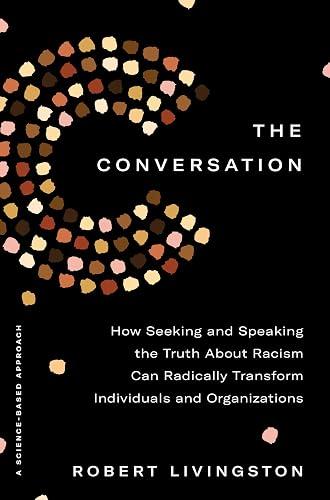
There is a peculiar paradox at the heart of our racial conversations. We have more data about racial inequality than ever before. We have decades of research documenting discrimination in hiring, housing, healthcare, education, and criminal justice. We have video evidence of racial violence. We have studies showing persistent wealth gaps, health disparities, and educational inequities. And yet, despite all this information, we seem unable to have productive conversations about race. Robert Livingston opens his book with a simple observation: the problem is not a lack of facts. The problem is that facts do not change beliefs. And beliefs, not facts, drive behavior. Livingston is a social psychologist who has spent more than two decades studying how people perceive, understand, and respond to racism. He has consulted with Fortune 500 companies, government agencies, and nonprofit organizations. He has taught at some of the world's most prestigious universities. Throughout his career, he has witnessed the same pattern repeatedly: well-intentioned people armed with data and good intentions fail to make progress on racial issues because they misunderstand the fundamental nature of the problem. The book's title, "The Conversation," refers to the difficult dialogue about race that America has been avoiding for centuries. Livingston argues that we have never truly had this conversation. Instead, we have had arguments, debates, lectures, and performances. We have had people talking past each other, defending their positions, and seeking to win rather than understand. We have had silence born of fear and outbursts born of frustration. But we have not had the kind of honest, rigorous, and productive conversation that could actually lead to change. One of the central insights of the book is that racism is fundamentally a problem of belief. Many White Americans…
Continue reading in the MinuteRead app
Get the complete 30-minute summary of The Conversation
Get the complete summary in the appRacism persists because people do not believe it exists. This lack of belief, or racism credence, is the primary obstacl
Beliefs, not facts, drive behavior. More information does not change minds when people are motivated to reject it.
Racism is about action and impact, not identity and intent. Anyone can engage in racist behavior, regardless of their va
Institutional privilege is more powerful than individual privilege. It operates like a current that pushes some people f
Systemic racism is maintained through legitimizing myths and institutional terror. Meritocracy is a myth that obscures s
Threat increases prejudice. When people feel that their status or identity is threatened, they become more prejudiced.
"The Conversation" is a strong fit if you want practical ideas around race, social justice, business, especially themes like racism persists because people do not believe it exists. this lack of belief, or racism credence, is the primary obstacl; beliefs, not facts, drive behavior. more information does not change minds when people are motivated to reject it. The MinuteRead summary distills these concepts into a focused read, whether you're deciding whether to buy the book or applying its lessons at work.
Motivated to help readers with beliefs, Robert Livingston wrote “The Conversation” to package those ideas for a fast, focused read. In “The Conversation”, Robert Livingston focuses on beliefs. Through “The Conversation”, Robert Livingston distills the core ideas on race into lessons readers can absorb in a single short sitting. Readers turn to this work when they want Robert Livingston's perspective on the subject without working through the entire original volume. Robert Edward Randall (Decembe…
Continue Reading
Access the complete 30-minute summary and thousands more nonfiction books in the MinuteRead app.

Continue reading the complete summary in the MinuteRead app.