MinuteRead
30 min
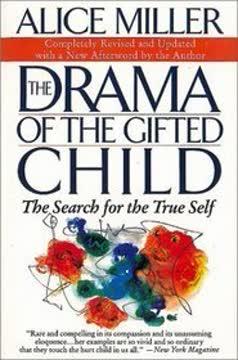
Book summary
by Alice Miller
Premium summary · Opens in the app · 30 min read
There is a particular kind of suffering that often goes unrecognized. It is the suffering of those who seem to have everything. The accomplished professional who wakes up each morning feeling hollow. The devoted parent who cannot understand why they feel nothing when they look at their child. The artist whose work is celebrated worldwide yet who privately despises themselves.
### By Alice Miller
**Estimated Reading Time:** 55 minutes
**What You'll Learn**
Why so many talented, intelligent, and successful people feel empty inside. How childhood adaptation to parental needs creates a false self that can last a lifetime. The hidden connection between grandiosity and depression. Why we unconsciously repeat painful childhood patterns. And most importantly, how to reclaim your authentic self and break the cycle for future generations.
**Who This Book Is For**
This book is for anyone who has ever felt they are performing their life rather than living it. For those who achieve and achieve yet never feel satisfied. For parents who want to understand how their own childhood wounds might affect their children. For anyone who senses there is more to their sadness than they have been allowed to feel.
There is a particular kind of suffering that often goes unrecognized. It is the suffering of those who seem to have everything. The accomplished professional who wakes up each morning feeling hollow. The devoted parent who cannot understand why they feel nothing when they look at their child. The artist whose work is celebrated worldwide yet who privately despises themselves. These people share a common history. They were once children who learned, very early, that certain feelings were unwelcome. They discovered that to be loved, they needed to be something other than what they naturally were. Alice Miller wrote this book after twenty years of practicing psychoanalysis. During that time, she noticed something that disturbed her deeply. Many of her patients had been in therapy for years. They could talk eloquently about their childhoods. They could analyze their parents' motivations. They had intellectual insight into their problems. Yet they remained stuck. Something was missing. What was missing, Miller came to believe, was emotional truth. Her patients knew about their childhoods, but they did not feel them. They had constructed elaborate intellectual understandings that served the same purpose as their childhood adaptations: keeping painful feelings at bay. Miller began to see that traditional psychoanalysis often repeated the childhood trauma rather than healing it. The patient would try to be a "good patient," producing the insights the analyst wanted, just as they had once tried to be a good child producing the behavior their parents wanted. The false self remained intact. The problem Miller identified is both simple and devastating. When children are not allowed to express their authentic feelings, they learn to suppress them. They build a self designed to meet the needs of others. This adaptive self can be highly functional. It can achieve great things. But it is not real. And the person living inside it knows, somewhere deep down, that something essential is missing. This…
Continue reading in the MinuteRead app
Get the complete 30-minute summary of The Drama of the Gifted Child
Get the complete summary in the appThe gifted child is not necessarily the talented child. It is the child who is unusually sensitive to parental needs and
This adaptation creates a false self that can be highly functional but is fundamentally empty. The true self, with its a
Grandiosity and depression are two sides of the same coin. Both are responses to the same underlying wound: the lack of
We unconsciously repeat childhood patterns in adult relationships, hoping to finally master the original trauma. This ne
Contempt is always a defense against one's own disowned vulnerability. The people we most despise often embody qualities
Suppressed emotions are stored in the body. Physical symptoms that have no clear medical cause often have emotional root
"The Drama of the Gifted Child" is a strong fit if you want practical ideas around psychology, self help, parenting—especially themes like the gifted child is not necessarily the talented child. it is the child who is unusually sensitive to parental needs and; this adaptation creates a false self that can be highly functional but is fundamentally empty. the true self, with its a. The MinuteRead summary distills these concepts into a focused read, whether you're deciding whether to buy the book or applying its lessons at work.
Alice Miller was a Swiss psychologist and author renowned for her work on child abuse. Born in Poland, she survived World War II and later studied in Switzerland. Miller practiced psychoanalysis for 20 years before becoming critical of Freud and Jung's theories. She developed the concept of "poisonous pedagogy" to describe accepted forms of child abuse. Miller analyzed famous writers to link childhood trauma with adult life outcomes. Her books, translated into multiple languages, challenged trad…
View all summaries by Alice MillerContinue Reading
Access the complete 30-minute summary and thousands more nonfiction books in the MinuteRead app.

Continue reading the complete summary in the MinuteRead app.