MinuteRead
30 min
Book summary
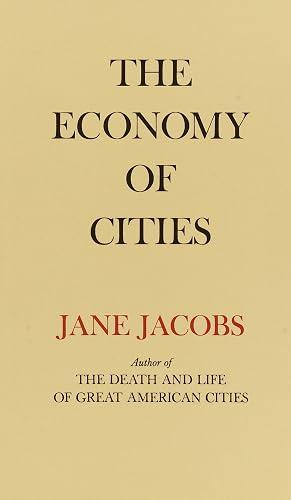
by Jane Jacobs
Premium summary · Opens in the app · 30 min read
Most people believe they know how civilization began. The story goes something like this: humans first learned to farm, settled down, produced surplus food, and only then built cities. Agriculture came first. Cities followed. This sequence feels obvious, almost inevitable.
**Author:** Jane Jacobs
**Estimated Reading Time:** 45 minutes
**What You'll Learn:**
Why cities, not agriculture, sparked human economic development. How new work emerges from old work. Why import replacement fuels explosive urban growth. What makes some cities thrive while others stagnate. How development capital actually originates. Why inclusive economies outperform discriminatory ones.
**Who This Book Is For:**
Anyone curious about why cities exist, how economies actually grow, and what makes urban life a driver of human progress. This book is for entrepreneurs, policymakers, urban planners, students of economics, and readers who want to understand the hidden logic behind the places most of us call home.
Most people believe they know how civilization began. The story goes something like this: humans first learned to farm, settled down, produced surplus food, and only then built cities. Agriculture came first. Cities followed. This sequence feels obvious, almost inevitable. Jane Jacobs thought this story was wrong. In *The Economy of Cities*, first published in 1969, Jacobs challenged one of the most deeply held assumptions in economic history. She argued that cities did not emerge from agriculture. Agriculture emerged from cities. The earliest urban settlements, she claimed, grew out of hunting and gathering societies. These settlements became centers of trade, craft, and experimentation. It was inside these early cities that people developed the techniques of planting, harvesting, and animal domestication that later spread to the countryside. This reversal of the conventional narrative was not a minor academic quibble. It had profound implications. If cities drive economic development rather than merely benefiting from it, then the way we think about growth, investment, and progress must change entirely. Jacobs was not an economist by training. She was a writer and observer of urban life. Her earlier book, *The Death and Life of Great American Cities*, had already established her as one of the most original thinkers about how cities actually function. Where planners saw chaos, she saw complex order. Where economists saw inefficiency, she saw the raw material of innovation. In *The Economy of Cities*, she turned her attention to the economic logic of urban life. She asked a deceptively simple question: where does new work come from? Her answer was equally simple and far-reaching. New work comes from old work. It emerges through a process of addition and division. A dressmaker adds brassiere making to her existing business. A sand manufacturer adds sandpaper production. A space program develops an electronic hand that becomes a new medical device. Each addition creates new divisions of labor, which create further possibilities for addition. This process, Jacobs argued, is the engine of economic growth. It is not the result of grand plans or top-down investment strategies. It is the natural…
Continue reading in the MinuteRead app
Get the complete 30-minute summary of The Economy of Cities
Get the complete summary in the appCities came first. Agriculture was invented inside cities and exported to the countryside.
New work emerges from existing work through addition and division: D + A → nD.
The more divisions of labor a city has, the greater its potential for innovation.
Urban inefficiencies are opportunities for innovation, not just problems to be solved.
Import replacement fuels explosive city growth through a powerful multiplier effect.
Exports emerge from diverse local economies, not from isolated export industries.
"The Economy of Cities" is a strong fit if you want practical ideas around economics, urban, sociology, especially themes like cities came first. agriculture was invented inside cities and exported to the countryside; new work emerges from existing work through addition and division: d + a → nd. The MinuteRead summary distills these concepts into a focused read, whether you're deciding whether to buy the book or applying its lessons at work.
Motivated to help readers with cities are not ordained; they are wholly existential, Jane Jacobs wrote “The Economy of Cities” to package those ideas for a fast, focused read. In “The Economy of Cities”, Jane Jacobs focuses on cities are not ordained; they are wholly existential. Through “The Economy of Cities”, Jane Jacobs distills the core ideas on economics into lessons readers can absorb in a single short sitting. Readers turn to this work when they want Jane Jacobs's perspective on the subj…
Continue Reading
Access the complete 30-minute summary and thousands more nonfiction books in the MinuteRead app.

Continue reading the complete summary in the MinuteRead app.