MinuteRead
30 min
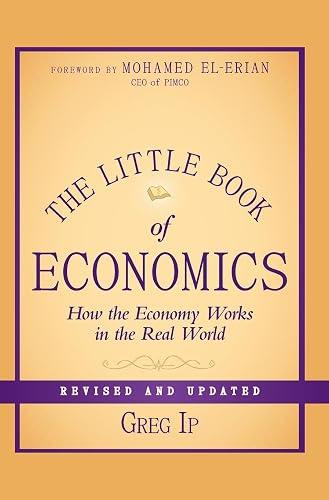
Book summary
by Greg Ip
Premium summary · Opens in the app · 30 min read
Most people experience the economy the way fish experience water. They swim through it every day without ever really seeing it. They notice when prices go up at the grocery store. They feel the sting when a paycheck does not stretch as far as it used to. They hear about the Federal Reserve raising interest rates and vaguely understand that this affects their mortgage. But the connections between these experiences, the invisible machinery that links a decision in Washington to a factory closing i
**Author:** Greg Ip
**Estimated Reading Time:** 45 minutes
**What You'll Learn:**
- Why economies grow and why some grow faster than others - What actually causes recessions and why they are inevitable - How inflation and deflation shape your purchasing power - What central banks really do and why their job is harder than it looks - How government spending helps and hurts the economy - Why financial markets are both essential and dangerous - What globalization means for your job, your investments, and your future
**Who This Book Is For:**
This book is for anyone who has ever read a headline about interest rates, inflation, or unemployment and felt lost. It is for investors who want to understand the forces moving their portfolios. It is for students who need a clear introduction to how the economy actually works. It is for citizens who want to understand the debates shaping their country's future. Most of all, it is for people who suspect that economics is not as complicated as the experts make it seem, and who want a guide that treats them like intelligent adults rather than confused children.
Most people experience the economy the way fish experience water. They swim through it every day without ever really seeing it. They notice when prices go up at the grocery store. They feel the sting when a paycheck does not stretch as far as it used to. They hear about the Federal Reserve raising interest rates and vaguely understand that this affects their mortgage. But the connections between these experiences, the invisible machinery that links a decision in Washington to a factory closing in Ohio, remain mysterious. Greg Ip wrote The Little Book of Economics to remove that mystery. His argument is simple but powerful: economics is not a collection of abstract theories reserved for academics and policymakers. It is the operating system of your daily life. Every time you fill your gas tank, apply for a loan, negotiate a salary, or vote for a candidate promising economic change, you are participating in a system governed by rules that are knowable, understandable, and deeply relevant to your wellbeing. The problem is that most economic writing falls into two camps. The first camp is written by academics who bury useful insights under layers of mathematics and jargon. The second camp is written by pundits who oversimplify complex issues into slogans and talking points. Neither serves the curious reader who wants genuine understanding. Ip, a veteran economic journalist who has covered the Federal Reserve, financial crises, and global markets for decades, occupies a rare middle ground. He knows the subject deeply enough to explain it accurately, but he writes clearly enough to make…
Continue reading in the MinuteRead app
Get the complete 30-minute summary of The Little Book of Economics
Get the complete summary in the appEconomic growth comes from population, productivity, and innovation. Innovation is the most powerful of the three.
The business cycle is inevitable. Expansions create imbalances that eventually correct. Prepare for downturns during goo
Moderate inflation of one to three percent is healthy. High inflation is corrosive. Deflation is destructive.
The financial system channels money from savers to borrowers. It is essential for growth but inherently prone to instabi
The Federal Reserve influences the economy by setting interest rates. Its job is harder than it looks, and it can make m
Government borrowing can stimulate a weak economy but creates long-term obligations. Excessive debt can lead to crisis.
"The Little Book of Economics" is a strong fit if you want practical ideas around economics, finance, business, especially themes like economic growth comes from population, productivity, and innovation. innovation is the most powerful of the three; the business cycle is inevitable. expansions create imbalances that eventually correct. prepare for downturns during goo. The MinuteRead summary distills these concepts into a focused read, whether you're deciding whether to buy the book or applying its lessons at work.
Motivated to help readers with "Economic growth springs from better recipes, Greg Ip wrote “The Little Book of Economics” to package those ideas for a fast, focused read. In “The Little Book of Economics”, Greg Ip focuses on "Economic growth springs from better recipes. Through “The Little Book of Economics”, Greg Ip distills the core ideas on economics into lessons readers can absorb in a single short sitting. Readers turn to this work when they want Greg Ip's perspective on the subject without…
Continue Reading
Access the complete 30-minute summary and thousands more nonfiction books in the MinuteRead app.

Continue reading the complete summary in the MinuteRead app.