MinuteRead
30 min
Book summary
Premium summary · Opens in the app · 5 min read
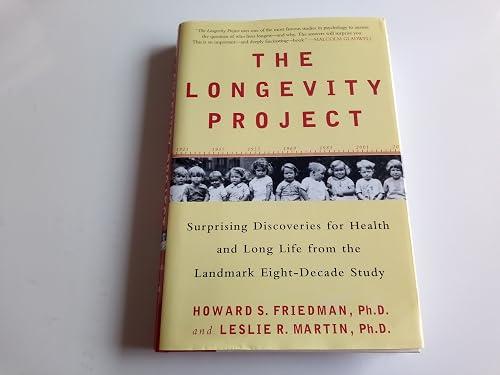
The Longevity Project shows you how you can live longer by analyzing the results from one of the world’s longest-lasting studies and drawing surprising conclusions about the work ethic, happiness, love, marriage and religion of people who have lived to old age.
The Longevity Project shows you how you can live longer by analyzing the results from one of the world’s longest-lasting studies and drawing surprising conclusions about the work ethic, happiness, love, marriage and religion of people who have lived to old age.
What kind of person are you? Would you describe yourself as diligent, organized, responsible, hard-working, serious and conscientious? Or rather easy-going, casual, fun, and maybe a bit chaotic?
As it turns out, the first group of people lives longer. The original creator of the study, Dr. Lewis Terman, examined how conscientious participants were both as children and around the age of 25. If people had always been responsible, thorough and careful, or at least changed their habits towards living more responsibly and in a goal-oriented way by their mid-20s, they tended to live well into old age.
It’s not what most people want to hear, but living a disciplined life makes sure you’ll be around for longer. If you think about it, it makes sense for three reasons:
Conscientious people are by definition risk-averse, and therefore tend to live healthier. They smoke less, drink less, take less drugs, exercise more, eat better, sleep more, drive more carefully, etc. – on average, of course. Responsible people have higher levels of serotonin, a chemical that keeps your mood stable and balanced and makes you feel good, which allows you to make better decisions. Since we surround ourselves with people who are like us, conscientious people usually have friends, co-workers, partners and jobs that support them and help them stay that way.
So if you’ve lived your life like a rollercoaster ride so far, maybe think a bit about what you really want and then decide if you want to make some changes to make sure you win in the long-term, not just today.
All of the men in the study who got married and, more importantly, stayed married throughout their life, lived to be at least 70 or older. Neither those, who got divorced or remarried observed the same effect. As it turns out, not all marriages are equally beneficial for a long life. This is partly explained by wives helping their husbands in case of an illness or emergency and generally encouraging them to live healthier lives. However, some of the stressful consequences of a divorce never go away and remarrying doesn’t change that. Interestingly, there was hardly a difference in lifespan between women who stayed married and women who remained single after being divorced. This could be explained (and I’m totally guessing here), by women’s huge biological “advantage” of becoming infertile after menopause, which is something that makes the body decay a lot slower. Since men stay fertile…
Continue reading in the MinuteRead app
Get the complete 5-minute summary of The Longevity Project
Get the complete summary in the appYou’ll live longer if you start taking responsibility for your life, being conscientious and living with some discipline.
If you’re a guy, find a great woman to get (and stay) married to, if you’re a girl, you’re free to choose.
Friends matter more than faith, as long as you don’t just fake it on Facebook.
"The Longevity Project" is a strong fit if you want practical ideas around culture, happiness, health, especially themes like you’ll live longer if you start taking responsibility for your life, being conscientious and living with some discipline; if you’re a guy, find a great woman to get (and stay) married to, if you’re a girl, you’re free to choose. The MinuteRead summary distills these concepts into a focused read, whether you're deciding whether to buy the book or applying its lessons at work.
Howard S. Friedman is Distinguished Professor at the University of California in Riverside, California. For three decades, Professor Friedman has studied personality predictors of longevity, developing a scientific understanding of the "disease-prone personality" and the "self-healing personality." His latest book is "The Longevity Project: Surprising Discoveries for Health and Long Life from the Landmark Eight-Decade Study." His scientific work on health and longevity has drawn wide attention …
View all summaries by Howard S. FriedmanContinue Reading
Access the complete 5-minute summary and thousands more nonfiction books in the MinuteRead app.

Continue reading the complete summary in the MinuteRead app.