MinuteRead
30 min
Book summary
Premium summary · Opens in the app · 30 min read
Power is about altering the states of others.
### By Dacher Keltner
**Estimated Reading Time:** 45 minutes
**What You'll Learn**
Why the most enduring form of power comes from lifting others up, not pushing them down. How empathy, gratitude, and storytelling build influence that lasts. What happens to your brain when you gain power and why so many people lose it. The hidden biological cost of powerlessness and how to break the cycle. A new way to think about every relationship in your life.
**Who This Book Is For**
Anyone who leads a team, raises children, navigates workplace dynamics, or wants to understand why some people inspire loyalty while others breed resentment. This book is for people who suspect that the old stories about power, the ones centered on force and domination, are incomplete. It is for those ready to discover that genuine influence comes from a surprising place: the ability to make others feel seen, valued, and capable.
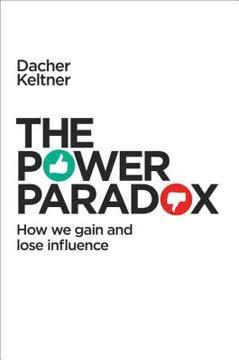
We have been telling ourselves the wrong story about power for centuries. The story goes like this: Power is a scarce resource. To get it, you must seize it. To keep it, you must defend it. The powerful are those who dominate, intimidate, and control. Think of Machiavelli advising princes to inspire fear rather than love. Think of the corporate raider, the ruthless politician, the playground bully who grows up to run the company. This story is so deeply embedded in our culture that we rarely question it. We see power as a zero-sum game. If someone else has it, you do not. If you want it, you must take it from someone else. Dacher Keltner, a psychologist at UC Berkeley who has spent decades studying the science of power, argues that this narrative is not just incomplete. It is dangerously wrong. The truth, revealed by decades of research in psychology, neuroscience, and sociology, is far more hopeful and far more useful. Power is not something you seize. It is something your group gives you. You gain influence not by dominating others but by advancing the greater good. The most enduring power comes from empathy, generosity, and the ability to make others feel valued. But here lies the paradox. The very experience of having power tends to erode the qualities that helped you gain it. As people rise in status, they often become more impulsive, less empathetic, and more likely to behave unethically. They forget that power is a gift and begin to treat it as an entitlement. This is how good leaders become bad bosses. This is how social movements lose their way. This is how loving partners become dismissive and cold. Keltner calls this the power paradox: we rise in power by being good to others, but…
Continue reading in the MinuteRead app
Get the complete 30-minute summary of The Power Paradox
Get the complete summary in the appPower is the ability to alter the states of others. It is not about domination. It is about influence.
You gain power by advancing the greater good. Groups grant influence to those who contribute.
The power paradox: the experience of power reduces the empathy and generosity that helped you gain it.
Enduring power requires maintaining the qualities that earned it. There is no finish line where you can stop being good
Empathy is your most important tool for building and keeping influence. Protect it deliberately.
Powerlessness is biologically damaging. It causes chronic stress that harms the brain and body.
"The Power Paradox" is a strong fit if you want practical ideas around psychology, business, leadership—especially themes like power is the ability to alter the states of others. it is not about domination. it is about influence; you gain power by advancing the greater good. groups grant influence to those who contribute. The MinuteRead summary distills these concepts into a focused read, whether you're deciding whether to buy the book or applying its lessons at work.
Dacher Keltner is a psychology professor at UC Berkeley and director of the Greater Good Science Center. His research focuses on pro-social emotions, power, and moral reasoning. Keltner is known for his work on the science of emotions and their role in human behavior. He has authored several books and articles on these topics, bringing scientific insights to a broader audience. As coeditor of Greater Good magazine, Keltner aims to bridge academic research with practical applications for improvin…
View all summaries by Dacher KeltnerContinue Reading
Access the complete 30-minute summary and thousands more nonfiction books in the MinuteRead app.

Continue reading the complete summary in the MinuteRead app.