MinuteRead
30 min
Book summary
Premium summary · Opens in the app · 30 min read
Every day, you participate in a miracle without noticing it. You buy coffee, check prices online, earn a wage, and make countless small economic decisions. Behind these ordinary acts lies a vast coordination system that no one designed and no one controls. It matches producers in Vietnam with consumers in Ohio. It tells farmers in Brazil what to plant next season. It moves capital from savers in Tokyo to entrepreneurs in Nairobi. And it does all this without a single master plan.
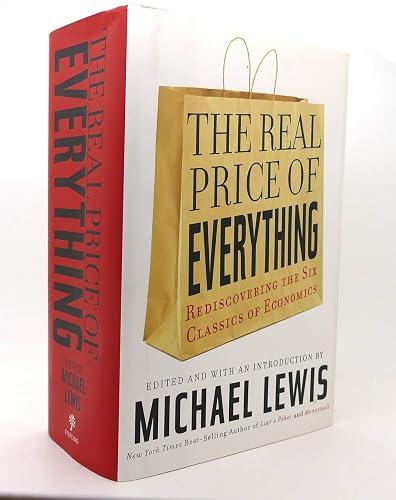
**Author:** Michael Lewis
**Estimated Reading Time:** 45 minutes
**What You'll Learn:** How the invisible forces of markets, labor, and self-interest shape the wealth of nations and the prices you pay every day.
**Who This Book Is For:** Anyone who wants to understand why economies grow, how prices emerge, and what really creates prosperity beyond the surface of money and trade.
Every day, you participate in a miracle without noticing it. You buy coffee, check prices online, earn a wage, and make countless small economic decisions. Behind these ordinary acts lies a vast coordination system that no one designed and no one controls. It matches producers in Vietnam with consumers in Ohio. It tells farmers in Brazil what to plant next season. It moves capital from savers in Tokyo to entrepreneurs in Nairobi. And it does all this without a single master plan. Most people never think about how this system works. They see prices but not the forces behind them. They notice wealth but not the processes that create it. They feel the effects of economic change but cannot explain its causes. This blindness is costly. Without understanding how economies actually function, people fall for dangerous myths. They believe money is wealth. They think trade is a zero-sum game. They imagine that governments can command prosperity into existence. They mistake the surface of economic life for its substance. Michael Lewis wrote this book to strip away those illusions. Drawing on centuries of economic insight, he explains the real foundations of wealth and the true meaning of prices. The book's title signals its central concern. The price of everything, from a loaf of bread to an hour of labor, is not arbitrary. It reflects deep underlying realities about human effort, scarcity, and choice. Understanding those realities changes how you see the world. The problem this book addresses is ancient. For most of human history, most people lived in desperate poverty. Then, beginning a few centuries ago, something remarkable happened. In a handful of societies, living standards began to rise dramatically. People who had never known anything but subsistence suddenly had access to goods and services their ancestors could not have imagined. What caused this transformation? The answer is not gold or conquest or natural resources alone. The answer lies in a set of ideas and institutions that unlocked human productive potential. Lewis argues that the key to prosperity is not what nations possess but how they organize. The division of labor, the operation of markets, the accumulation of capital, and the freedom to pursue self-interest within a framework of law all combine to create wealth. When these elements are present, economies flourish. When they are absent or suppressed, poverty persists. This…
Continue reading in the MinuteRead app
Get the complete 30-minute summary of The Real Price of Everything
Get the complete summary in the appWealth is created through production, not acquisition. Focus on increasing productive capacity.
The division of labor multiplies productivity. Specialize in what you do best and delegate the rest.
Prices are determined by supply and demand. They are information, not moral judgments.
Labor is the true measure of value. Increase your productivity to increase your income.
Every price resolves into rent, wages, and profit. Understand these components to understand the economy.
Capital accumulation drives growth. Save and invest to build productive assets.
"The Real Price of Everything" is a strong fit if you want practical ideas around economics, business, finance, especially themes like wealth is created through production, not acquisition. focus on increasing productive capacity; the division of labor multiplies productivity. specialize in what you do best and delegate the rest. The MinuteRead summary distills these concepts into a focused read, whether you're deciding whether to buy the book or applying its lessons at work.
Motivated to help readers with the greatest improvements in the productive powers of labor, Michael Lewis wrote “The Real Price of Everything” to package those ideas for a fast, focused read. In “The Real Price of Everything”, Michael Lewis focuses on the greatest improvements in the productive powers of labor. Through “The Real Price of Everything”, Michael Lewis distills the core ideas on economics into lessons readers can absorb in a single short sitting. Readers turn to this work when they w…
View all summaries by Michael LewisContinue Reading
Access the complete 30-minute summary and thousands more nonfiction books in the MinuteRead app.

Continue reading the complete summary in the MinuteRead app.