MinuteRead
30 min
Book summary
Premium summary · Opens in the app · 30 min read
For thousands of years, meditation has been presented to the world wrapped in the language of spiritual tradition. Monks in Himalayan caves, Zen masters in Japanese temples, yogis in Indian ashrams. The promises were grand: liberation from suffering, profound inner peace, a mind transformed. But for most of modern history, these claims remained untested by science. They belonged to the realm of faith, not fact.
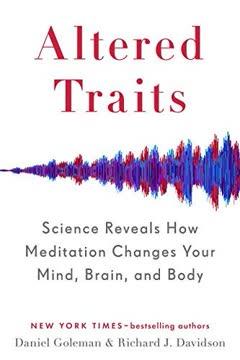
**Author:** Daniel Goleman and Richard Davidson
**Estimated Reading Time:** 45 minutes
**What You'll Learn:** How meditation transforms the brain, which practices produce which results, why long-term practice matters more than quick fixes, and how to apply these insights to your own life.
**Who This Book Is For:** Anyone curious about what actually happens when you meditate, skeptics who want evidence rather than promises, practitioners who wonder if they are making progress, and readers interested in the intersection of ancient wisdom and modern neuroscience.
For thousands of years, meditation has been presented to the world wrapped in the language of spiritual tradition. Monks in Himalayan caves, Zen masters in Japanese temples, yogis in Indian ashrams. The promises were grand: liberation from suffering, profound inner peace, a mind transformed. But for most of modern history, these claims remained untested by science. They belonged to the realm of faith, not fact. Then something remarkable happened. Two young psychology graduate students at Harvard in the early 1970s, Daniel Goleman and Richard Davidson, became fascinated by meditation. They had both traveled to Asia, encountered extraordinary practitioners, and returned with a burning question: What is actually happening in the minds and brains of people who meditate? The scientific establishment of that era did not welcome this question. Studying meditation was considered professional suicide. When Goleman and Davidson proposed research on meditators, senior colleagues warned them that they were jeopardizing their careers. The tools available were crude. The funding was nonexistent. The skepticism was overwhelming. But they persisted. Over the next four decades, the landscape transformed completely. Brain imaging technologies advanced from primitive EEG machines to sophisticated fMRI scanners. Research centers dedicated to contemplative science emerged at major universities. Thousands of studies were published. Meditation went from fringe curiosity to mainstream health intervention. This book is the story of that transformation, and more importantly, it is the story of what the science actually shows. The central finding is both simple and profound: meditation is not merely a relaxation technique. It is a form of mental training that can produce lasting changes in the brain and in the fundamental qualities of a person's being. The temporary calm you feel after a meditation session is an altered state. But the enduring equanimity, the stable attention, the spontaneous compassion that emerge after thousands of hours of practice are altered traits. These are permanent features of how a person experiences the world. This distinction between states and traits is the key to understanding what meditation can and cannot do. A single session might make you feel better for a few hours. A consistent practice over months and years can change who you are. The authors are careful to avoid both the…
Continue reading in the MinuteRead app
Get the complete 30-minute summary of The Science of Meditation
Get the complete summary in the appMeditation produces lasting changes in the brain through neuroplasticity.
The distinction between altered states and altered traits is fundamental to understanding meditation.
Attention is a trainable skill that improves with practice.
Compassion can be cultivated through loving-kindness meditation.
The dose-response relationship means more practice produces more profound changes.
Different meditation practices produce different effects; choose based on your goals.
"The Science of Meditation" is a strong fit if you want practical ideas around health & fitness, psychology, science, especially themes like meditation produces lasting changes in the brain through neuroplasticity; the distinction between altered states and altered traits is fundamental to understanding meditation. The MinuteRead summary distills these concepts into a focused read, whether you're deciding whether to buy the book or applying its lessons at work.
Daniel Goleman is a psychologist and science journalist best known for his bestselling books on emotional intelligence. He has been studying meditation since the 1970s and is a longtime friend of Richard Davidson, his co-author. Goleman's background in psychology and science writing allows him to present complex research findings in an accessible manner. He has been instrumental in bringing scientific attention to meditation and mindfulness practices. Goleman's work often focuses on the practica…
View all summaries by Goleman DanielContinue Reading
Access the complete 30-minute summary and thousands more nonfiction books in the MinuteRead app.

Continue reading the complete summary in the MinuteRead app.