MinuteRead
30 min
Book summary
Premium summary · Opens in the app · 21 min read
Amazingly enough, these predators are able to reshape riverbanks and change the course of rivers.
Amazingly enough, these predators are able to reshape riverbanks and change the course of rivers.
Amazingly enough, these predators are able to reshape riverbanks and change the course of rivers. Trophic cascade. The reintroduction of wolves in Yellowstone National Park triggered a complex chain of ecological events. By hunting elk, wolves reduced their numbers and altered their behavior, leading to less browsing pressure on vegetation along riverbanks. This allowed trees and shrubs to regrow, stabilizing the banks and narrowing the rivers. Ecosystem restoration. The return of vegetation attracted beavers, which further modified the landscape by building dams. This created new habitats for various species, including fish, amphibians, and birds. The presence of wolves also benefited other predators, such as grizzly bears, by increasing the availability of berries that elk previously consumed. Broader implications. This example illustrates the far-reaching and often unexpected consequences of ecological relationships. It demonstrates how the presence or absence of a single species can dramatically alter entire ecosystems, highlighting the importance of preserving biodiversity and understanding the complex web of interactions in nature.
Up to 70 percent of the nitrogen in vegetation growing alongside the streams comes from the ocean—in other words, from salmon. Ocean-to-forest nutrient transfer. Salmon play a crucial role in transporting nutrients from the ocean to terrestrial ecosystems. During their spawning runs, they bring substantial amounts of nitrogen and other elements inland, which are then distributed throughout the forest ecosystem. Ecosystem beneficiaries: Trees: Grow up to three times faster due to salmon-derived nutrients Bears and other predators: Feast on salmon, spreading nutrients through their waste Insects and smaller organisms: Thrive on salmon carcasses Birds: Benefit from increased insect populations Long-term impact. The presence of salmon-derived nutrients can be detected in tree rings, providing a historical record of salmon abundance. This interconnectedness demonstrates the importance of preserving both aquatic and terrestrial habitats to maintain healthy ecosystems.
According to the first rough estimates, the rock layers could be home to 10 percent of the earth's total living biomass, and as they are way down deep and mostly inaccessible, we can assume that, apart from a few coal mines and deep strip mines, these layers have been spared huge disruptions by human activity. Subterranean biodiversity. Groundwater ecosystems host a diverse array of life forms, including bacteria, fungi, and small invertebrates. These organisms play crucial roles in nutrient cycling and water purification, yet remain largely unknown and understudied. Unique adaptations: Slow metabolism: Some bacteria take 500 years to divide Absence of light: Many organisms are blind and lack pigmentation Limited food sources: Adaptations to survive in nutrient-poor environments Human impact. While generally less affected by human activities than surface ecosystems, groundwater habitats face threats from pollution, excessive water…
Continue reading in the MinuteRead app
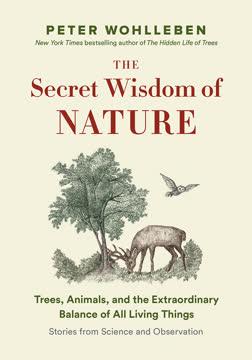
Get the complete 21-minute summary of The Secret Wisdom of Nature
Get the complete summary in the appNature's intricate connections: The wolf's impact on rivers
Salmon: Vital nutrient transporters in forest ecosystems
The hidden world beneath our feet: Groundwater ecosystems
Deer and trees: A complex relationship shaped by human intervention
Ants: Tiny creatures with outsized influence on forests
Bark beetles: Misunderstood agents of forest renewal
"The Secret Wisdom of Nature" is a strong fit if you want practical ideas around nature, science, environment, especially themes like nature's intricate connections: the wolf's impact on rivers; salmon: vital nutrient transporters in forest ecosystems. The MinuteRead summary distills these concepts into a focused read, whether you're deciding whether to buy the book or applying its lessons at work.
Peter Wohlleben is a German forester and author known for his popular science books on ecological themes. His writing style is characterized by its accessibility and engaging narrative approach, making complex scientific concepts understandable to a wide audience. Wohlleben's work often emphasizes the interconnectedness of nature and advocates for a hands-off approach to conservation. His books, including "The Hidden Life of Trees" and "The Inner Life of Animals," have gained international recog…
View all summaries by Peter WohllebenContinue Reading
Access the complete 21-minute summary and thousands more nonfiction books in the MinuteRead app.

Continue reading the complete summary in the MinuteRead app.