MinuteRead
30 min
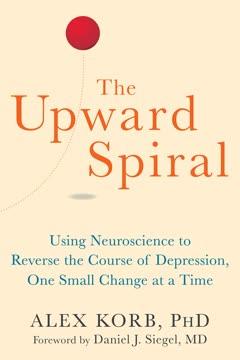
Book summary
by Alex Korb
Premium summary · Opens in the app · 30 min read
Depression feels like a trap. You wake up tired. Nothing sounds appealing. Small tasks feel overwhelming. You withdraw from people. Then you feel guilty for withdrawing. The guilt makes you feel worse, so you withdraw more. The trap tightens.
**Author:** Alex Korb, PhD **Estimated Reading Time:** 45 minutes
### What You'll Learn
How depression actually works in your brain, why small changes matter more than grand gestures, and which specific actions can reverse the downward spiral and create lasting positive momentum. You will learn the neuroscience behind mood, motivation, habits, anxiety, and connection, and you will walk away with concrete strategies you can use starting today.
### Who This Book Is For
Anyone who has ever felt stuck, numb, or hopeless. Anyone who wants to understand why depression feels the way it does and why getting better can seem so difficult. This book is for people living with depression, their loved ones, and anyone curious about how the brain shapes our emotional lives. You do not need a science background. You only need curiosity and a willingness to try something small.
Depression feels like a trap. You wake up tired. Nothing sounds appealing. Small tasks feel overwhelming. You withdraw from people. Then you feel guilty for withdrawing. The guilt makes you feel worse, so you withdraw more. The trap tightens. For decades, depression was treated as a mystery of the mind, a character weakness, or a purely chemical imbalance. None of these explanations captured the full picture, and none of them offered a clear path forward. People were left asking the same question: if depression is just a chemical imbalance, why does talking help? If it is just negative thinking, why does exercise make a difference? If it is just a personal weakness, why do medications work? Alex Korb, a neuroscientist with over fifteen years of research experience, offers a different answer. Depression is not one thing. It is a pattern. It is a set of interconnected circuits in your brain that have become tuned toward negativity, withdrawal, and exhaustion. The good news is that circuits can be retuned. The brain is not fixed. It changes constantly in response to what you do, what you think, and how you live. This property is called neuroplasticity, and it is the foundation of everything that follows. The problem with depression is that it creates a downward spiral. One bad night of sleep makes you tired. Tiredness makes you skip exercise. Skipping exercise reduces your energy further. Low energy makes you less social. Isolation makes you ruminate. Rumination disrupts sleep. And the spiral continues, each step reinforcing the next. But the same principle works in reverse. A single positive change, no matter how small, can start an upward spiral. A ten-minute walk improves your mood slightly. That improved mood makes it easier to call a friend. That conversation reduces your stress. Lower stress helps you sleep better. Better sleep gives you more…
Continue reading in the MinuteRead app
Get the complete 30-minute summary of The Upward Spiral
Get the complete summary in the appDepression is a brain circuit pattern, not a personal failure. Understanding this removes shame.
Small changes create upward spirals. You do not need to fix everything at once.
Exercise is the most powerful single intervention. Even five minutes helps.
Sleep consistency matters more than total sleep time. Wake up at the same time every day.
Gratitude practice works even when it feels forced. Do it anyway.
Social connection is a biological necessity. Reach out before you feel ready.
"The Upward Spiral" is a strong fit if you want practical ideas around psychology, self help, mental health, especially themes like depression is a brain circuit pattern, not a personal failure. understanding this removes shame; small changes create upward spirals. you do not need to fix everything at once. The MinuteRead summary distills these concepts into a focused read, whether you're deciding whether to buy the book or applying its lessons at work.
Alex Korb, PhD is a neuroscientist with over 15 years of brain research experience. He combines his scientific expertise with practical applications, working as a speaker, consultant, and personal coach. Korb's diverse background includes heading the UCLA Women's Ultimate Frisbee team and experience in yoga, mindfulness, and physical fitness. He even dabbles in stand-up comedy. This multifaceted approach allows Korb to bridge the gap between complex neuroscience and everyday life, making his ins…
View all summaries by Alex KorbContinue Reading
Access the complete 30-minute summary and thousands more nonfiction books in the MinuteRead app.

Continue reading the complete summary in the MinuteRead app.