MinuteRead
30 min
Book summary
Premium summary · Opens in the app · 30 min read
There is a kind of harm that leaves no visible mark. It does not show up as a bruise or a broken bone. It happens in kitchens and living rooms, in bedrooms and over phone calls, in the small exchanges of everyday life that seem too minor to name. A woman asks a simple question and receives a cold silence. She expresses a feeling and is told she is wrong to feel it. She remembers an event clearly and is told it never happened. Over time, she begins to doubt her own mind.
**Author:** Patricia Evans
**Estimated Reading Time:** 45 minutes
**What You'll Learn:**
- How to recognize verbal abuse in its many subtle and overt forms - Why verbal abuse is so damaging to a person's sense of reality and self - The psychology behind why some men become verbally abusive - Why traditional couples counseling often makes things worse - A practical tool called The Agreement that can interrupt abusive patterns - How to tell if genuine change is happening or if it's just an act - How to make clear-eyed decisions about staying or leaving
**Who This Book Is For:**
This book is for anyone who has ever felt confused, diminished, or silenced in a relationship. It is for women who have been told they are too sensitive, who have questioned their own memory of events, who have felt themselves shrinking in their own homes. It is also for counselors, therapists, friends, and family members who want to understand what verbal abuse actually looks like and why it is so difficult to name. Most of all, it is for anyone who has asked the question: Can he change?
There is a kind of harm that leaves no visible mark. It does not show up as a bruise or a broken bone. It happens in kitchens and living rooms, in bedrooms and over phone calls, in the small exchanges of everyday life that seem too minor to name. A woman asks a simple question and receives a cold silence. She expresses a feeling and is told she is wrong to feel it. She remembers an event clearly and is told it never happened. Over time, she begins to doubt her own mind. Patricia Evans has spent decades listening to women describe these experiences. She has heard the same stories repeated so often that patterns emerged, patterns that revealed something most people do not want to see: verbal abuse is real, it is damaging, and it operates through a specific mechanism that can be understood and named. The problem is that most people do not recognize verbal abuse when they see it. They think of abuse as yelling or name-calling, and if a man does not raise his voice or use crude language, they assume no abuse is occurring. But Evans discovered something more precise. Verbal abuse is not about volume or vocabulary. It is about control. Specifically, it is about one person defining another person's reality. When a man tells his partner what she thinks, what she feels, what she wants, or who she is, he is not communicating with her. He is defining her. He is acting as if he has the authority to determine her inner experience. And when…
Continue reading in the MinuteRead app
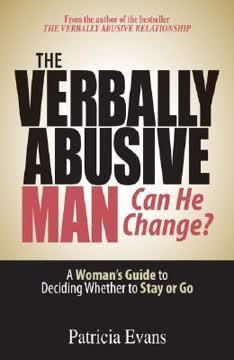
Get the complete 30-minute summary of The Verbally Abusive Man - Can He Change?
Get the complete summary in the appVerbal abuse is about control, not anger or poor communication.
Defining statements tell you what you think, feel, or want and are abusive.
The damage from verbal abuse is real and cumulative.
Do not explain yourself to someone who is committed to defining you.
The Dream Woman is a projection. You can never match her.
Couples counseling often makes verbal abuse worse.
"The Verbally Abusive Man - Can He Change?" is a strong fit if you want practical ideas around psychology, self help, relationships, especially themes like verbal abuse is about control, not anger or poor communication; defining statements tell you what you think, feel, or want and are abusive. The MinuteRead summary distills these concepts into a focused read, whether you're deciding whether to buy the book or applying its lessons at work.
Patricia Evans is a bestselling author specializing in verbal abuse and controlling behaviors in relationships. She has written five books on the subject, including "The Verbally Abusive Relationship" and "Controlling People." Evans has gained significant media attention, appearing on Oprah and CNN, and being featured in major publications. She has spoken internationally on the topic of violence against women, including in the United States, Canada, Spain, and Australia. Her work focuses on help…
View all summaries by Patricia EvansContinue Reading
Access the complete 30-minute summary and thousands more nonfiction books in the MinuteRead app.

Continue reading the complete summary in the MinuteRead app.