MinuteRead
30 min
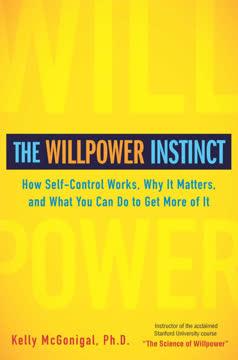
Book summary
Premium summary · Opens in the app · 30 min read
Most people believe they lack willpower. They look at their struggles with food, exercise, spending, procrastination, or distraction and conclude that they are simply not disciplined enough. They assume willpower is a character trait, something you either have or you do not. And when they fail to resist a temptation or follow through on an intention, they blame themselves.
**How Self-Control Works, Why It Matters, and What You Can Do to Get More of It**
By Kelly McGonigal, PhD
**Estimated Reading Time:** 45 minutes
**What You'll Learn**
Why willpower is not a moral failing but a biological instinct you can strengthen. How your brain and body collaborate to help you make choices aligned with your long-term goals. The three distinct powers of self-control and how to train each one. Why stress sabotages your best intentions and what to do instead. How to stop giving yourself permission to fail after you succeed. And practical, science-backed strategies for building the self-control you need to create lasting change.
**Who This Book Is For**
Anyone who has ever felt frustrated by their inability to stick with a goal, resist a temptation, or follow through on a commitment. If you have ever wondered why willpower feels effortless some days and impossible on others, this book explains the biology and psychology behind that experience and shows you exactly what to do about it.
Most people believe they lack willpower. They look at their struggles with food, exercise, spending, procrastination, or distraction and conclude that they are simply not disciplined enough. They assume willpower is a character trait, something you either have or you do not. And when they fail to resist a temptation or follow through on an intention, they blame themselves. Kelly McGonigal, a health psychologist and lecturer at Stanford University, wants you to understand something important: willpower is not a moral virtue. It is a biological instinct. It is a mind-body response that evolved over millions of years to help humans make choices that serve their long-term interests rather than their immediate impulses. This reframe changes everything. When you understand willpower as a biological function rather than a character test, you can stop judging yourself and start working with your physiology. You can train your willpower like you would train a muscle. You can identify the conditions that strengthen it and the conditions that deplete it. You can stop relying on self-criticism and guilt, which backfire, and start using self-compassion and awareness, which actually work. The problem is not that you are weak. The problem is that you have been working against your biology instead of with it. You have been treating yourself like a failure when your brain and body were simply doing what they evolved to do: seek pleasure, avoid discomfort, conserve energy, and respond to stress. McGonigal draws on cutting-edge research from psychology, neuroscience, and behavioral economics to explain how self-control actually operates. She reveals why the standard advice about willpower often fails and what science says you should do instead. The book is built around a course she teaches…
Continue reading in the MinuteRead app
Get the complete 30-minute summary of The Willpower Instinct
Get the complete summary in the appWillpower is a biological instinct, not a character trait. It can be understood, trained, and strengthened.
The three powers of willpower are "I will," "I won't," and "I want." Identify all three for your most important goals.
Stress sabotages self-control. The pause-and-plan response, triggered by slow breathing and calm awareness, is the biolo
Willpower fatigues with use but strengthens with training. Practice small acts of self-control to build capacity. Struct
Moral licensing makes you feel entitled to indulge after doing something good. Focus on commitment rather than progress
Dopamine creates wanting, not happiness. Pay attention to the actual experience of indulgence to weaken the power of emp
"The Willpower Instinct" is a strong fit if you want practical ideas around psychology, self help, personal development—especially themes like willpower is a biological instinct, not a character trait. it can be understood, trained, and strengthened; the three powers of willpower are "i will," "i won't," and "i want." identify all three for your most important goals. The MinuteRead summary distills these concepts into a focused read, whether you're deciding whether to buy the book or applying its lessons at work.
Kelly McGonigal, PhD is a health psychologist and lecturer at Stanford University. She is recognized as a leading expert on the mind-body relationship and has authored several books on psychology and personal development. McGonigal's work focuses on applying psychological science to improve personal health, happiness, and social change. Her books, including The Willpower Instinct and The Upside of Stress, have gained popularity for their practical approach to complex psychological concepts. McGo…
View all summaries by Kelly McGonigal PhDContinue Reading
Access the complete 30-minute summary and thousands more nonfiction books in the MinuteRead app.

Continue reading the complete summary in the MinuteRead app.