MinuteRead
30 min
Book summary
Premium summary · Opens in the app · 5 min read
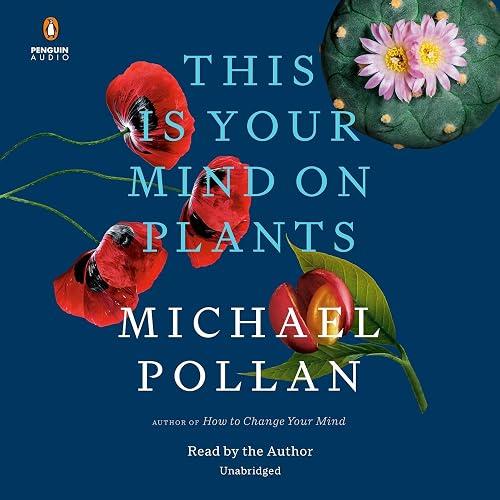
This Is Your Mind On Plants is an analysis of three conscious-altering substances — opium, caffeine and mescaline — which humans have been using for thousands of years, as well as how their effects have shaped our bodies, culture, and history, showing that, beyond arguing about their legalities, we must understand their potential to help us connect with both nature and ourselves in new ways.
This Is Your Mind On Plants is an analysis of three conscious-altering substances — opium, caffeine and mescaline — which humans have been using for thousands of years, as well as how their effects have shaped our bodies, culture, and history, showing that, beyond arguing about their legalities, we must understand their potential to help us connect with both nature and ourselves in new ways.
Coffee can be both good and bad for you. Coffee is a stimulant, which means it has two different effects on your body. Firstly, it increases your heart rate, blood pressure and metabolism. It can also keep you awake.
It also contains caffeine, which can help the body release dopamine and norepinephrine. These are chemicals that can make you feel more focused and alert. Coffee can stay in your body for 12 hours, so it can interfere with your good night’s sleep.
Deep sleep is crucial when it comes to your overall health and well-being, especially when it comes to your brain and memory. It’s very important that you get enough sleep each night because your brain needs rest in order to function properly.
If you don’t, it can lead to problems such as depression, anxiety, and even Alzheimer’s disease later on down the road! The key is to experience deep sleep, not just any sleep. However, with too much caffeine intake, that can be difficult to achieve.
Opium is an extremely potent painkiller that can be derived from a variety of plants. The most common form is derived from the poppy flower; however, it can also be extracted from other related plants like lettuce and poppies.
The active ingredient in opium is morphine and its derivatives (such as codeine), which are used in many prescription medications today, including hydrocodone (Vicodin) and oxycodone (Oxycontin).
These drugs act on opioid receptors in our brain and spinal cord to block pain signals from reaching our brain while also generating a sense of euphoria by releasing dopamine into our bloodstream.
Growing opium poppies is illegal in most countries, but it can be done. Opium poppy seeds are available for purchase online, and they’re easy to plant. Once your poppies have grown, you can harvest their flowers and use them to make tea.
This will not get you high—it’s more of a mild sedative that can help you sleep. If you want to experience the effects of opium without breaking any laws, there are other options for you.
Mescaline is a psychedelic drug that temporarily alters the way our brains process information. With mescaline, everything becomes wildly interesting, or so the author says. This means that our perception of the world around us is changed. We see more in…
Continue reading in the MinuteRead app
Get the complete 5-minute summary of This Is Your Mind On Plants
Get the complete summary in the appDepending on when you drink it, coffee can be both beneficial or detrimental to your health.
Brewing your own opium tea is rather illegal, and it won’t get you as high as you’d hope.
Ingesting mescaline may not taste good, but it can alter the way you perceive your environment in an interesting way.
"This Is Your Mind On Plants" is a strong fit if you want practical ideas around culture, environment, health, especially themes like depending on when you drink it, coffee can be both beneficial or detrimental to your health; brewing your own opium tea is rather illegal, and it won’t get you as high as you’d hope. The MinuteRead summary distills these concepts into a focused read, whether you're deciding whether to buy the book or applying its lessons at work.
Michael Pollan is the author of seven previous books, including Cooked, Food Rules, In Defense of Food, The Omnivore's Dilemma and The Botany of Desire, all of which were New York Times bestsellers. A longtime contributor to the New York Times Magazine, he also teaches writing at Harvard and the University of California, Berkeley. In 2010, TIME magazine named him one of the one hundred most influential people in the world.
View all summaries by Michael PollanContinue Reading
Access the complete 5-minute summary and thousands more nonfiction books in the MinuteRead app.

Continue reading the complete summary in the MinuteRead app.