MinuteRead
30 min
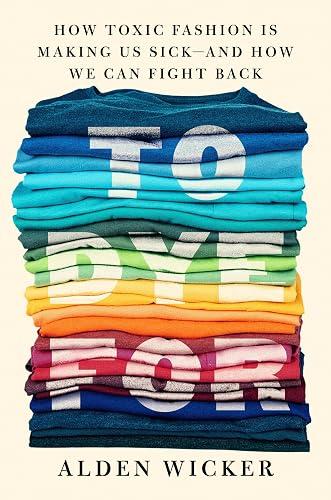
Book summary
by Alden Wicker
Premium summary · Opens in the app · 30 min read
The moment Alden Wicker began investigating toxic chemicals in fashion, she encountered a story that would reshape her understanding of the industry she had covered for years. A flight attendant reached out to her with a strange and troubling account. After her airline introduced new uniforms, she and dozens of her colleagues began experiencing a cascade of terrifying symptoms. Rashes that wouldn't heal. Hair falling out in clumps. Breathing problems that made climbing stairs feel like running a
**Author:** Alden Wicker
**Estimated Reading Time:** 45 minutes
**What You'll Learn:** How the clothing you wear every day may be affecting your health, why the fashion industry has been allowed to use toxic chemicals with minimal oversight, and what you can do to protect yourself and push for systemic change.
**Who This Book Is For:** Anyone who wears clothes, but especially people dealing with unexplained health issues, parents concerned about their children's exposure to chemicals, and readers who want to understand the hidden costs of fast fashion.
The moment Alden Wicker began investigating toxic chemicals in fashion, she encountered a story that would reshape her understanding of the industry she had covered for years. A flight attendant reached out to her with a strange and troubling account. After her airline introduced new uniforms, she and dozens of her colleagues began experiencing a cascade of terrifying symptoms. Rashes that wouldn't heal. Hair falling out in clumps. Breathing problems that made climbing stairs feel like running a marathon. Thyroid dysfunction. Extreme fatigue that turned simple tasks into monumental efforts. The uniforms looked professional. They felt like ordinary fabric. They had passed whatever tests the airline claimed to have conducted. Yet something in those garments was making people sick. What struck Wicker most was not just the severity of the symptoms but the response from the airline and the uniform manufacturer. The workers were told they were imagining things. They were told the uniforms had been tested and found safe. They were told their symptoms must have another cause. But the pattern was undeniable. Across different airlines, different uniform brands, and different cities, flight attendants were reporting the same cluster of symptoms after wearing the same types of garments. The flight attendants became, in Wicker's words, canaries in the coal mine. Their bodies were reacting to something that most of us would never notice, not because we aren't being exposed, but because our exposure is lower, more gradual, or masked by other factors. The acute reactions of these workers revealed a truth that applies to all of us: the clothing we wear contains chemicals that were never adequately tested for safety, and those chemicals can affect our health in ways we are only beginning to understand. The problem extends far beyond a few unfortunate flight attendants. The fashion industry uses thousands of chemicals in the production of clothing. Dyes, finishes, softeners, water repellents, stain guards, anti-wrinkle treatments, anti-microbial agents, and flame retardants all leave residues on the fabrics we wear against our skin. Unlike food, cosmetics, or cleaning products, clothing carries no ingredient list. There is no requirement to disclose what chemicals were used to make a garment. There is no regulatory body…
Continue reading in the MinuteRead app
Get the complete 30-minute summary of To Dye For
Get the complete summary in the appYour clothing contains chemicals that can harm your health, and you have no way of knowing what they are.
The skin absorbs chemicals from clothing, especially when combined with sweat and body heat.
The history of toxic fashion repeats a predictable cycle of denial, delay, and eventual regulation.
Synthetic fibers are complex chemical products that can release harmful substances.
Endocrine disruptors can have effects at very low doses, challenging traditional toxicology.
People with chemical sensitivity are canaries in the coal mine, warning us of dangers that affect everyone.
"To Dye For" is a strong fit if you want practical ideas around fashion, health, science, especially themes like your clothing contains chemicals that can harm your health, and you have no way of knowing what they are; the skin absorbs chemicals from clothing, especially when combined with sweat and body heat. The MinuteRead summary distills these concepts into a focused read, whether you're deciding whether to buy the book or applying its lessons at work.
Motivated to help readers with “What’s happening to me is probably happening to you, Alden Wicker wrote “To Dye For” to package those ideas for a fast, focused read. In “To Dye For”, Alden Wicker focuses on “What’s happening to me is probably happening to you. Through “To Dye For”, Alden Wicker distills the core ideas on fashion into lessons readers can absorb in a single short sitting. Readers turn to this work when they want Alden Wicker's perspective on the subject without working through the…
Continue Reading
Access the complete 30-minute summary and thousands more nonfiction books in the MinuteRead app.

Continue reading the complete summary in the MinuteRead app.