MinuteRead
30 min
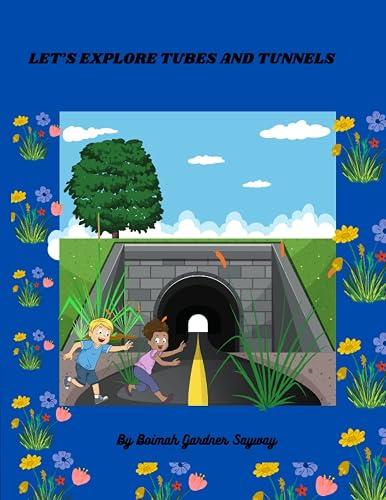
Tubes is a behind-the-scenes look at the real, tangible, physical heart of the internet, this elusive and seemingly invisible technology that permeates all of our lives on a daily basis.
Tubes is a behind-the-scenes look at the real, tangible, physical heart of the internet, this elusive and seemingly invisible technology that permeates all of our lives on a daily basis.
We’ve obviously come a long way since the very humble beginnings of the internet in the 1960s (then called ARPANET), ever since it’s grown exponentially. You’d think that with so many networks and participants added every day, the internet would become a messier and messier place – but in reality, it just gets better.
The biggest participants of the internet are networks themselves, like Google or Facebook. The more inter-connected these networks are, the faster and more efficiently you can travel from one to the other. If you click on a link on Google that directs you to Facebook, and the two are directly connected, it takes less time for your connection to load the page.
Physically, these connections happen at hubs, so-called internet exchange points, which are really just places filled with tons of routers from different companies, that are connected to each other and all to one main line, which then connects via fiber tube to the next IXP, condensing the web even further.
The practice of directly connecting one big network to another at a hub is called peering. It’s nothing more than plugging a cable from one router to another, allowing the data packages to travel shorter distances and thus reach their destinations faster.
Obviously, the more companies you peer with, the better the access to your network. Facebook, for example, peers with so many other networks that it’s sometimes jokingly called a “peering slut.” That’s why no matter where you access Facebook from, it loads really fast in most instances.
However, as good as peering is while it works, sometimes companies disagree and literally decide to pull the plug. This always leads to fallout and connectivity problems. For example, when Sprint and Cogent broke their connection in 2008, the US Department of Justice, NASA and all New York Courts couldn’t send emails for three days straight, not to mention the big outage for many private users.
Apart from IXPs, two other physical components are majorly responsible for keeping the internet up and running: Data storage centers. Underwater cables. 60 million pictures a day are uploaded to Instagram, 350 million photos to Facebook, over 500 million tweets sent – where does all this stuff go? The cloud, they keep telling us, but do you see bits of text floating in the sky? Of course not. Storing something in the cloud simply means that it’s not physically stored on your laptop (which is why you don’t need as big of a hard drive any more), but transferred…
Continue reading in the MinuteRead app
Get the complete 5-minute summary of Tubes
Get the complete summary in the appThe internet isn’t just one network, it’s a network of networks.
Big companies and major networks peer with one another at big hubs, which is what makes some websites faster than others.
Everything you create online is stored in data centers, which are connected with underwater cables and hubs.
"Tubes" is a strong fit if you want practical ideas around culture, entrepreneurship, society, especially themes like the internet isn’t just one network, it’s a network of networks; big companies and major networks peer with one another at big hubs, which is what makes some websites faster than others. The MinuteRead summary distills these concepts into a focused read, whether you're deciding whether to buy the book or applying its lessons at work.
Motivated to help readers with behind-the-scenes look at the real, Boimah Gardner Sayway wrote “Tubes” to package those ideas for a fast, focused read. In “Tubes”, Boimah Gardner Sayway focuses on behind-the-scenes look at the real. Through “Tubes”, Boimah Gardner Sayway distills the core ideas on entrepreneurship into lessons readers can absorb in a single short sitting. Readers turn to this work when they want Boimah Gardner Sayway's perspective on the subject without working through the entir…
View all summaries by Boimah Gardner SaywayContinue Reading
Access the complete 5-minute summary and thousands more nonfiction books in the MinuteRead app.

Continue reading the complete summary in the MinuteRead app.