MinuteRead
30 min
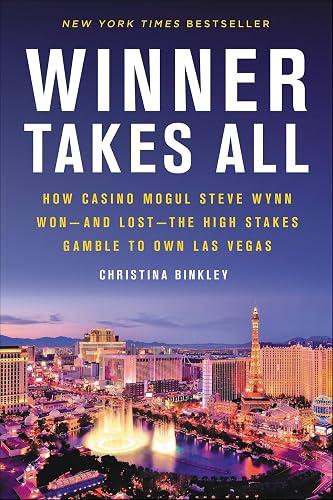
Winners Take All helps you see the ultra-rich in a more accurate light by identifying their shady strategies, including using the idea of “making the world a better place” as a front that only serves as a way to solidify their wealth and power.
Winners Take All helps you see the ultra-rich in a more accurate light by identifying their shady strategies, including using the idea of “making the world a better place” as a front that only serves as a way to solidify their wealth and power.
Hilary Cohen was a recently graduated philosophy major who was curious about what to do with her future after the recent recession. Knowing she wanted to make a positive difference in the world, the only question was how. Entrepreneurship, and using it’s principles to help stop inequality, seemed like the best answer.
Unless you’ve been in a coma for the last few decades, you know how bad inequality has become. It’s gotten especially bad in the US where searches for the word doubled in just the four years between 2010 and 2014.
In that same year, an article came out identifying just how bad it had become. The research discovered that people getting into the top 10% of earners would make double the amount they would have if they had done the same thing in 1980.
But the bottom half of people would only make a total of $200 more.
So it made sense for Cohen to join a management consultancy firm. After all, what’s the harm in using business principles to help alleviate the social issues in the world?
Well, hidden behind this idea is the thought patterns of neoliberalism. It’s centered around the free market, which values little economic regulation and letting prices be governed by what people want and need.
According to the author, we may think this makes people happy, but it’s actually a huge risk because of the way it helps people in power stay in their positions.
You’ve got to love Stephen Covey’s classic self-improvement book The 7 Habits of Highly Effective People. It’s been one of my favorites since I first read it as a teenager. But one of the habits, “Think Win-Win” is dangerous when business elites apply it. If everyone can be a winner then in these people’s minds whatever benefits them also helps everybody else. With this mindset, it seems like the process of social progress is simple, painless, and without any sacrifice. It seems like a no-brainer that if businesses profit, everyone does. In the real world, however, things aren’t working out in favor of this mentality. Take a problem like productivity. Seems simple enough, right? A Silicon Valley go-getter might think it’s a great idea to build software that helps people and companies improve their efficiency. Couldn’t everyone can benefit from something like that? It turns out this approach is solving the wrong problem. Productivity has already been increasing dramatically in the last few…
Continue reading in the MinuteRead app
Get the complete 5-minute summary of Winners Take All
Get the complete summary in the appSocial progress makes us think that our lives are improving, but it’s just one weapon that the elite use to help themselves.
“Think win-win” might be a good adage for individuals to follow, but businesses use it as a front to hide their selfishness and greed.
People in power have a hard time being honest about how much control they actually have because they know it solidifies their status.
"Winners Take All" is a strong fit if you want practical ideas around culture, economics, money, especially themes like social progress makes us think that our lives are improving, but it’s just one weapon that the elite use to help themselves; “think win-win” might be a good adage for individuals to follow, but businesses use it as a front to hide their selfishness and greed. The MinuteRead summary distills these concepts into a focused read, whether you're deciding whether to buy the book or applying its lessons at work.
Anand Giridharadas is a writer. He is the author of "Winners Take All: The Elite Charade of Changing the World", "The True American: Murder and Mercy in Texas," and "India Calling: An Intimate Portrait of a Nation’s Remaking." A former foreign correspondent and columnist for The New York Times for more than a decade, he has also written for The New Yorker, The Atlantic, and Time, and he is the publisher of the popular newsletter The Ink. He has spoken on stages around the world and taught narr…
View all summaries by Anand GiridharadasContinue Reading
Access the complete 5-minute summary and thousands more nonfiction books in the MinuteRead app.

Continue reading the complete summary in the MinuteRead app.