MinuteRead
30 min
Book summary
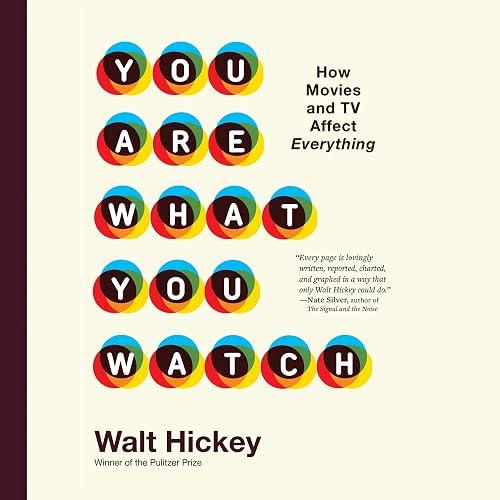
by Walter Hickey
Premium summary · Opens in the app · 30 min read
You are sitting in a darkened theater. On screen, a character walks slowly down a hallway. The music shifts. Something terrible is about to happen. You know this is fiction. You know actors performed these scenes months ago on a soundstage. You know the blood is fake and the danger is imaginary. And yet, your heart rate climbs. Your palms sweat. Your muscles tense. Your blood literally thickens with coagulant factors, preparing your body for a wound that will never come.
**Author:** Walter Hickey
**Estimated Reading Time:** 45 minutes
**What You'll Learn:**
- How movies and television physically alter your body and brain chemistry - Why violent films may actually reduce real-world violence - How pop culture shapes identity, career choices, and societal norms - The hidden economics driving creative decisions in entertainment - Why nostalgia dominates modern media and what it does to us - How cultural exports function as instruments of global power - The measurable benefits of engaging with art and storytelling - What makes certain stories endure for generations
**Who This Book Is For:**
Anyone who has ever wondered why a movie made them cry, why a song transported them to a specific moment in time, or why they cannot stop rewatching a show from their childhood. This book is for the curious consumer of culture who suspects that entertainment is never just entertainment. It is for parents wondering about screen time, professionals in creative industries seeking to understand their own ecosystem, and anyone who has felt the strange pull of a story that refuses to let go.
You are sitting in a darkened theater. On screen, a character walks slowly down a hallway. The music shifts. Something terrible is about to happen. You know this is fiction. You know actors performed these scenes months ago on a soundstage. You know the blood is fake and the danger is imaginary. And yet, your heart rate climbs. Your palms sweat. Your muscles tense. Your blood literally thickens with coagulant factors, preparing your body for a wound that will never come. This is the central mystery that Walter Hickey explores in *You Are What You Watch*: the strange and powerful relationship between human beings and the stories they consume. We tend to think of entertainment as a passive activity, something we do to relax or escape. We imagine a clear boundary between the world on screen and the world we inhabit. But that boundary is far more porous than we realize. Hickey, a Pulitzer Prize-winning data journalist, spent years investigating the measurable effects of pop culture on human beings. What he found challenges our assumptions about the role of entertainment in modern life. Movies change our blood chemistry. Television shows influence our career choices. The stories we consume as children shape the adults we become. And the entertainment industry, far from being a frivolous sideshow to the serious business of society, functions as one of the most powerful forces shaping global politics, economics, and culture. The problem is that most of us do not take entertainment seriously enough. We dismiss it as escapism. We treat our media consumption as a guilty pleasure rather than a meaningful activity. We fail…
Continue reading in the MinuteRead app
Get the complete 30-minute summary of You Are What You Watch
Get the complete summary in the appYour body responds to fiction as if it were real, triggering measurable changes in blood chemistry, heart rate, and stre
Your brain actively constructs media experience rather than passively receiving it, filling in gaps and making inference
Violent movies reduce violent crime by keeping potential criminals occupied in theaters.
Horror fans showed greater psychological resilience during the pandemic because they had practiced processing fear.
Representation in media changes who people imagine they can become, as demonstrated by the Scully Effect on women in STE
Nostalgia serves genuine psychological needs for comfort, connection, and continuity, which is why it sells so well.
"You Are What You Watch" is a strong fit if you want practical ideas around psychology, film, science, especially themes like your body responds to fiction as if it were real, triggering measurable changes in blood chemistry, heart rate, and stre; your brain actively constructs media experience rather than passively receiving it, filling in gaps and making inference. The MinuteRead summary distills these concepts into a focused read, whether you're deciding whether to buy the book or applying its lessons at work.
Motivated to help readers with "You're watching a movie in a theater when on-screen, Walter Hickey wrote “You Are What You Watch” to package those ideas for a fast, focused read. In “You Are What You Watch”, Walter Hickey focuses on "You're watching a movie in a theater when on-screen. Through “You Are What You Watch”, Walter Hickey distills the core ideas on psychology into lessons readers can absorb in a single short sitting. Readers turn to this work when they want Walter Hickey's perspective…
Continue Reading
Access the complete 30-minute summary and thousands more nonfiction books in the MinuteRead app.

Continue reading the complete summary in the MinuteRead app.