MinuteRead
30 min
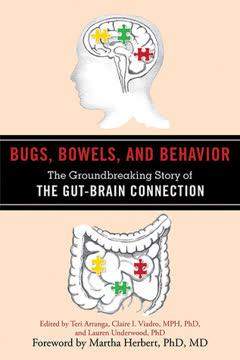
Book summary
by Teri Arranga
Premium summary · Opens in the app · 30 min read
For decades, autism was treated as a purely behavioral condition. Children who struggled with communication, social interaction, or sensory processing were given therapies designed to modify what they did. The medical community focused almost exclusively on the brain. The body, particularly the digestive system, was largely ignored.
**Author:** Teri Arranga
**Estimated Reading Time:** 42 minutes
**What You'll Learn:**
- Why the gut and brain are far more connected than most people realize - How digestive problems may drive behavioral and neurological symptoms - What specific dietary and biomedical interventions show promise - Why the microbiome matters for brain development from birth onward - How inflammation, immunity, and digestion shape autism and related conditions
**Who This Book Is For:**
Parents navigating autism spectrum disorders who want deeper answers. Clinicians seeking a broader understanding of gut-brain connections. Researchers exploring the intersection of gastroenterology and neurology. And anyone curious about how the trillions of organisms living in the digestive tract influence thinking, feeling, and behavior.
For decades, autism was treated as a purely behavioral condition. Children who struggled with communication, social interaction, or sensory processing were given therapies designed to modify what they did. The medical community focused almost exclusively on the brain. The body, particularly the digestive system, was largely ignored. That approach left many families frustrated. Parents watched their children suffer from chronic diarrhea, constipation, abdominal pain, and bloating. They noticed that behavioral meltdowns often coincided with digestive distress. They observed that certain foods seemed to trigger aggression or withdrawal. Yet when they raised these concerns with doctors, they were often dismissed. The gut had nothing to do with the brain, they were told. The evidence now tells a different story. Research over the past two decades has revealed a profound and complex relationship between the digestive tract and the central nervous system. This connection, known as the gut-brain axis, involves intricate signaling between the intestines, the immune system, the vagus nerve, and the trillions of microbes that live inside us. What happens in the gut does not stay in the gut. It influences mood, cognition, behavior, and neurodevelopment. This book brings together a collection of scientific investigations and clinical observations that illuminate this connection. It explores how gastrointestinal dysfunction is remarkably common in autism spectrum disorders. It examines how the microbiome shapes brain development from the earliest days of life. It investigates how mitochondrial dysfunction links digestive problems to neurological symptoms. And it presents evidence that targeted interventions, particularly dietary changes, can produce meaningful improvements in both gut health and behavior. The implications extend far beyond autism. Inflammatory bowel disease, food allergies, autoimmune conditions, and even mood disorders all intersect with the gut-brain axis. Understanding these connections opens new possibilities for diagnosis and treatment across a wide range of conditions. The book also challenges a fundamental assumption: that once the brain develops a certain way, nothing can change. The evidence presented here suggests otherwise. Children and adults alike have shown remarkable improvements when underlying physiological imbalances are…
Continue reading in the MinuteRead app
Get the complete 30-minute summary of Bugs, Bowels, and Behavior
Get the complete summary in the appThe gut and brain are deeply connected through neural, immune, and microbial pathways. What happens in the gut affects t
Gastrointestinal problems affect up to seventy percent of children with autism and often correlate with behavioral sympt
The gut microbiome influences brain development and behavior. Individuals with autism often show disrupted microbiomes.
The Specific Carbohydrate Diet can produce dramatic improvements in both digestive and behavioral symptoms by starving h
Mitochondrial dysfunction links gut and brain symptoms by impairing energy production in both systems.
Food allergies and intolerances, particularly to gluten and casein, can trigger inflammation that affects brain function
"Bugs, Bowels, and Behavior" is a strong fit if you want practical ideas around health, science, ebooks, especially themes like the gut and brain are deeply connected through neural, immune, and microbial pathways. what happens in the gut affects t; gastrointestinal problems affect up to seventy percent of children with autism and often correlate with behavioral sympt. The MinuteRead summary distills these concepts into a focused read, whether you're deciding whether to buy the book or applying its lessons at work.
تری آرنگا نویسندهی کتاب حشرات، رودهها و رفتار است. این کتاب بهنظر میرسد که مجموعهای از مقالات علمی و تحقیقات در زمینهی ارتباط روده و مغز باشد، با تمرکز خاص بر اختلالات طیف اوتیسم. کار آرنگا شواهدی را ارائه میدهد که رابطهی بین سلامت روده و توسعهی مغز را پشتیبانی میکند و به بررسی موضوعاتی مانند میکروبیوم، تأثیرات رژیم غذایی و درمانهای بالقوه برای اختلالات طیف اوتیسم و دیگر شرایط مرتبط با مغز میپردازد. در حالی که پیشینهی نویسنده بهطور صریح در اطلاعات موجود ذکر نشده است، محتوای کتاب نش…
View all summaries by Teri ArrangaContinue Reading
Access the complete 30-minute summary and thousands more nonfiction books in the MinuteRead app.

Continue reading the complete summary in the MinuteRead app.