MinuteRead
30 min
Book summary
Premium summary · Opens in the app · 30 min read
Most people go through life believing their emotions are things that simply happen to them. Anxiety arrives like bad weather. Depression descends without warning. Anger erupts before reason can intervene. This sense of powerlessness over our inner lives is one of the most common and distressing experiences a person can have.
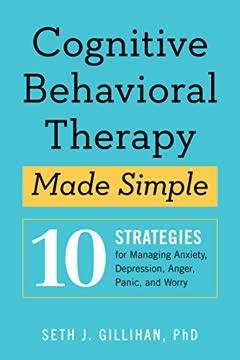
**Author:** Seth J. Gillihan, PhD
**Estimated Reading Time:** 42 minutes
**What You'll Learn:** How to understand and reshape the connection between your thoughts, actions, and emotions. You will discover practical techniques to break free from anxiety, depression, anger, and procrastination using the most thoroughly researched therapeutic approach available today. This book gives you a complete toolkit for becoming your own therapist.
**Who This Book Is For:** Anyone who has ever felt stuck in negative thought patterns, struggled with motivation, or wondered why certain emotional reactions keep repeating. Whether you are working with a therapist or seeking to understand your mind more clearly on your own, these principles offer a clear path toward lasting change.
Most people go through life believing their emotions are things that simply happen to them. Anxiety arrives like bad weather. Depression descends without warning. Anger erupts before reason can intervene. This sense of powerlessness over our inner lives is one of the most common and distressing experiences a person can have. The truth is different. The way we feel is intimately connected to the way we think and the way we act. Change one element, and the others shift in response. This insight is not merely philosophical. It forms the foundation of cognitive behavioral therapy, or CBT, the most extensively researched and consistently effective approach to mental health ever developed. CBT emerged from a simple observation. People suffering from similar difficulties often shared similar patterns of thinking. A person with depression did not just feel sad. They thought differently about themselves, their future, and their place in the world. A person with anxiety did not just feel afraid. They systematically overestimated danger and underestimated their ability to cope. These thought patterns were not just symptoms. They were part of the engine driving the distress. This was a radical departure from earlier approaches. Traditional therapy often spent years excavating childhood experiences, searching for the root cause of present suffering in distant memories. CBT took a different path. It asked a more practical question: What is maintaining the problem right now? And more importantly: What can we do about it today? The answer turned out to be remarkably empowering. By learning to identify distorted thinking, challenge unhelpful beliefs, and change behavioral patterns, people could significantly reduce their suffering. They did not need to wait for insight to arrive. They could take action immediately and begin feeling better within weeks, not years. Seth J. Gillihan wrote this book to make these powerful techniques accessible to everyone. His approach is warm, practical, and grounded in decades of clinical experience. He understands that reading about psychology can feel abstract, so he fills every chapter with concrete exercises, real stories from his…
Continue reading in the MinuteRead app
Get the complete 30-minute summary of Cognitive Behavioral Therapy Made Simple
Get the complete summary in the appYour thoughts are interpretations, not facts. You can learn to examine them rather than automatically believe them.
Action often comes before motivation. Do something small today that aligns with your values, regardless of how you feel.
The cognitive triangle shows that thoughts, feelings, and behaviors all influence each other. Change one, and the others
Avoidance strengthens fear. Facing feared situations gradually teaches your brain that the danger is exaggerated.
Core beliefs operate beneath automatic thoughts. Use the downward arrow technique to identify them.
Mindfulness means observing your thoughts without being controlled by them. It is a skill developed through practice.
"Cognitive Behavioral Therapy Made Simple" is a strong fit if you want practical ideas around psychology, self help, mental health, especially themes like your thoughts are interpretations, not facts. you can learn to examine them rather than automatically believe them; action often comes before motivation. do something small today that aligns with your values, regardless of how you feel. The MinuteRead summary distills these concepts into a focused read, whether you're deciding whether to buy the book or applying its lessons at work.
Seth J. Gillihan PhD is a psychologist and author specializing in cognitive behavioral therapy. He has written multiple books on mental health, including "Cognitive Behavioral Therapy Made Simple" and "Retrain Your Brain: Cognitive Behavioral Therapy in 7 Weeks." Gillihan's writing style is noted for its warmth and accessibility, making complex psychological concepts understandable to a general audience. He emphasizes practical strategies and exercises that readers can implement in their daily l…
View all summaries by Seth J. GillihanContinue Reading
Access the complete 30-minute summary and thousands more nonfiction books in the MinuteRead app.

Continue reading the complete summary in the MinuteRead app.