MinuteRead
30 min
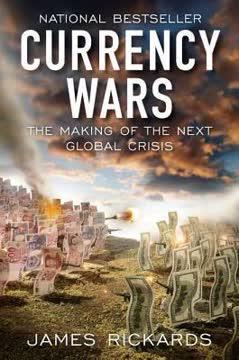
Most people think of war in terms of soldiers, tanks, and bombs. But there is another kind of war, one fought not with bullets but with banknotes, not on battlefields but in currency markets. It is quieter than conventional warfare, yet its consequences can be more devastating. It destroys savings, wipes out industries, topples governments, and reshapes the global order. This is the currency war.
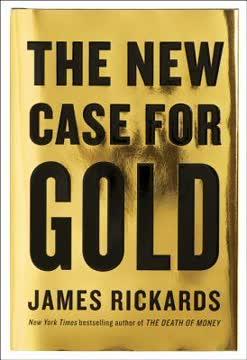
**By James Rickards**
**Estimated Reading Time:** 45 minutes
**What You'll Learn:** Why nations secretly attack each other through their currencies, how three great currency wars shaped the modern world, why the global financial system is more fragile than most people believe, and what individuals can do to protect themselves when the next crisis arrives.
**Who This Book Is For:** Anyone who senses that something is deeply wrong with the global economy but cannot quite explain why. Investors who want to understand the hidden forces moving markets. Citizens who wonder why their purchasing power keeps eroding. And anyone curious about the intersection of money, power, and national security.
Most people think of war in terms of soldiers, tanks, and bombs. But there is another kind of war, one fought not with bullets but with banknotes, not on battlefields but in currency markets. It is quieter than conventional warfare, yet its consequences can be more devastating. It destroys savings, wipes out industries, topples governments, and reshapes the global order. This is the currency war. James Rickards wrote this book because he saw something alarming happening after the 2008 financial crisis. Governments around the world were printing money at unprecedented rates, devaluing their currencies in a desperate attempt to stimulate their economies. What looked like isolated policy decisions were actually the opening shots of a new global conflict. Currency War III had begun. The problem is that most people do not understand what a currency war is or why it matters. They see gas prices rising and blame oil companies. They see their savings losing value and blame inflation without understanding its source. They watch politicians argue about trade deficits and tariffs without grasping that these are symptoms of a deeper monetary disorder. The language of currency wars is spoken in the corridors of central banks and the trading floors of hedge funds, but ordinary citizens remain in the dark. This matters because currency wars are not victimless. When a nation devalues its currency to gain a trade advantage, it exports its problems to its trading partners. Those partners then face pressure to devalue in response. The result is a race to the bottom, a spiral of competitive devaluations that destroys the purchasing power of money everywhere. Savings evaporate. Retirements are ruined. The social contract between citizens and their government frays. Why do people struggle to understand this? Partly because the subject seems technical and remote. Central banking is deliberately obscure, wrapped in jargon that discourages outsiders from asking questions. Partly because the winners in a currency war are often invisible. When your currency loses value, someone else's gains. The benefits flow to exporters, financial institutions, and those with assets priced in stronger…
Continue reading in the MinuteRead app
Get the complete 30-minute summary of Currency Wars
Get the complete summary in the appCurrency wars are cycles of competitive devaluation that destroy savings, disrupt trade, and can lead to political catas
The abandonment of the gold standard removed the most important constraint on government spending and money creation.
The economic theories that guide central banks are deeply flawed. The models do not capture reality.
The global financial system is a complex adaptive system prone to sudden, catastrophic collapse.
The dollar's reserve currency status is not permanent. It is under threat from debt, dysfunction, and the rise of altern
Financial warfare is a real and growing threat. The United States is vulnerable to attack through its financial system.
"Currency Wars" is a strong fit if you want practical ideas around economics, finance, business, especially themes like currency wars are cycles of competitive devaluation that destroy savings, disrupt trade, and can lead to political catas; the abandonment of the gold standard removed the most important constraint on government spending and money creation. The MinuteRead summary distills these concepts into a focused read, whether you're deciding whether to buy the book or applying its lessons at work.
James Rickards is an American lawyer, economist, and investment banker with extensive experience in capital markets and national security. He has worked as an advisor to the U.S. Department of Defense and intelligence community on financial warfare. Rickards is known for his expertise in currency markets, international economics, and complex systems analysis. He has authored several books on finance and economics, including "Currency Wars" and "The Death of Money." Rickards frequently appears as…
View all summaries by James RickardsContinue Reading
Access the complete 30-minute summary and thousands more nonfiction books in the MinuteRead app.

Continue reading the complete summary in the MinuteRead app.