MinuteRead
30 min
Book summary
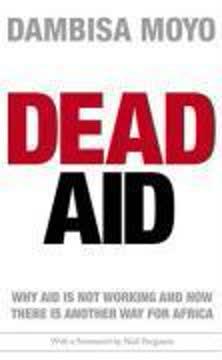
by Dambisa Moyo
Premium summary · Opens in the app · 30 min read
In 1970, the world's wealthy nations made a promise. They pledged to give 0.7 percent of their national income in foreign aid to developing countries. Since then, over one trillion dollars has flowed from rich nations to Africa alone. The intention was noble: end poverty, build infrastructure, save lives.
**Author:** Dambisa Moyo **Estimated Reading Time:** 2 hours 15 minutes
**What You'll Learn**
Why trillions of dollars in foreign aid have failed to lift Africa out of poverty. How the aid system creates dependency rather than development. What alternative paths exist for African nations to achieve genuine economic prosperity through trade, investment, and financial independence.
**Who This Book Is For**
Anyone who has ever donated to a charity working in Africa and wondered whether their money truly helps. Policymakers, economists, and development professionals seeking fresh thinking on global poverty. Readers curious about why good intentions so often produce disappointing results.
In 1970, the world's wealthy nations made a promise. They pledged to give 0.7 percent of their national income in foreign aid to developing countries. Since then, over one trillion dollars has flowed from rich nations to Africa alone. The intention was noble: end poverty, build infrastructure, save lives. The results tell a different story. Consider the numbers. In the 1970s, roughly 10 percent of Africans lived in extreme poverty. Today, after decades of unprecedented aid flows, that figure has nearly doubled. The countries that received the most aid often experienced the slowest economic growth. Nations that received less aid frequently outperformed their aid-dependent neighbors. Something is deeply wrong with the aid system. And yet, questioning aid has become almost taboo. To criticize foreign assistance is to risk being labeled heartless, colonial, or indifferent to human suffering. The aid industry has grown into a massive enterprise employing hundreds of thousands of people in governments, international organizations, and non-governmental agencies. Careers, institutions, and entire economies depend on the continuation of aid flows. The system has developed a powerful immune response against criticism. Dambisa Moyo wrote Dead Aid to break through that immunity. Born and raised in Zambia, educated at Harvard and Oxford, and working as a global economist at Goldman Sachs, she brings an unusual combination of perspectives to the problem. She has seen poverty firsthand. She has also seen how international capital markets function. She understands both what Africa needs and what the global financial system can offer. Her central argument is provocative and uncomfortable. Foreign aid, she contends, has not merely failed to help Africa. It has actively harmed the continent. It has propped up corrupt governments, destroyed local industries, discouraged savings and investment, and created a culture of dependency that undermines the very behaviors necessary for economic development. This is not a book about ending generosity. It is a book about ending a system that makes poverty permanent. Moyo proposes a radical alternative: phase out all systematic government-to-government aid within five years and replace it with trade, foreign investment, access to capital markets, and support for grassroots financial…
Continue reading in the MinuteRead app
Get the complete 30-minute summary of Dead Aid
Get the complete summary in the appSystematic government-to-government aid has failed to reduce poverty in Africa and has actively harmed development.
Aid creates dependency by reducing incentives for governments to build tax systems, respond to citizens, or develop prod
Aid enables corruption by providing resources not subject to domestic accountability.
No country has ever developed through aid. Every wealthy nation developed through trade and investment.
China's commercial engagement with Africa demonstrates that trade and investment deliver more development than aid.
Microfinance and remittances put resources directly into the hands of poor people through market mechanisms rather than
"Dead Aid" is a strong fit if you want practical ideas around economics, africa, politics, especially themes like systematic government-to-government aid has failed to reduce poverty in africa and has actively harmed development; aid creates dependency by reducing incentives for governments to build tax systems, respond to citizens, or develop prod. The MinuteRead summary distills these concepts into a focused read, whether you're deciding whether to buy the book or applying its lessons at work.
Dambisa Moyo is an international economist and author known for her work on global macroeconomics and affairs. Born in Zambia, she holds degrees from American University, Harvard, and Oxford. Moyo gained prominence with her bestselling books critiquing foreign aid and analyzing global economic trends. She has been recognized as one of Time Magazine's 100 Most Influential People and named to the World Economic Forum's Young Global Leaders Forum. Her work regularly appears in major financial publi…
View all summaries by Dambisa MoyoContinue Reading
Access the complete 30-minute summary and thousands more nonfiction books in the MinuteRead app.

Continue reading the complete summary in the MinuteRead app.