MinuteRead
30 min
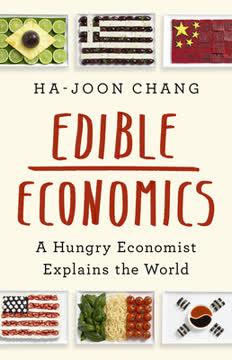
Economics has an image problem. Most people think of it as a dreary science of numbers, charts, and impenetrable jargon. They imagine men in suits debating interest rates or arguing about GDP figures that feel disconnected from lived reality. This is a tragedy because economics is not really about numbers at all. It is about the choices we make, the systems we build, and the ways we organize our lives together.
By Ha-Joon Chang
**Estimated Reading Time:** 3 hours 45 minutes
**What You'll Learn:**
- Why the food on your plate carries centuries of economic history - How cultural stereotypes about food distort our understanding of prosperity - Why free trade is rarely as free as advertised - What garlic, okra, and rye can teach you about capitalism's hidden machinery - How to think more clearly about the economic forces shaping your daily life
**Who This Book Is For:**
Anyone who has ever wondered why their grocery bill looks the way it does, why some countries grow rich while others stay poor, or how the global economy really works beneath the surface. You do not need a background in economics. You only need curiosity and an appetite for understanding.
Economics has an image problem. Most people think of it as a dreary science of numbers, charts, and impenetrable jargon. They imagine men in suits debating interest rates or arguing about GDP figures that feel disconnected from lived reality. This is a tragedy because economics is not really about numbers at all. It is about the choices we make, the systems we build, and the ways we organize our lives together. Ha-Joon Chang has spent decades teaching economics at Cambridge University and writing books that challenge conventional wisdom. He knows that the standard approach to explaining economics fails most people. Textbooks begin with abstract models. Lectures introduce supply and demand curves before students understand why they matter. The result is that millions of people go through life believing economics is too complicated or too boring to understand. This book takes a completely different approach. Chang starts with something universal and deeply human: food. Every person eats. Every culture has developed distinctive cuisines shaped by geography, history, and economics. Every meal on your plate represents a complex web of decisions made by farmers, processors, shippers, retailers, and governments. When you understand why garlic is cheap or why chocolate was once a luxury reserved for elites, you begin to understand how economies actually work. The genius of this approach lies in its accessibility. Food is not abstract. You can taste it, smell it, share it. When Chang explains that the humble carrot became orange partly due to political symbolism in the Netherlands, he is not just sharing trivia. He is demonstrating how politics, culture, and economics intertwine in ways that shape even the most mundane aspects of our lives. When he traces the history of sugar from luxury good to everyday staple, he reveals the brutal legacy of colonialism and slavery that built modern capitalism. This matters because economic literacy is not optional. The decisions that shape our lives, from trade policy to labor…
Continue reading in the MinuteRead app
Get the complete 30-minute summary of Edible Economics
Get the complete summary in the appEconomics is everywhere, not just in markets and banks. The food on your plate carries centuries of economic history.
Free trade is a policy choice that benefits some and harms others. Rich countries became rich through protection, not fr
The wealth of rich nations is partly built on slavery and colonialism. This history shapes current inequalities.
Corporate power can undermine democracy. The banana industry's history in Central America proves this.
People in poor countries work hard. Their poverty is caused by structural factors, not laziness.
The welfare state is collective insurance that enables economic dynamism. It is not charity.
"Edible Economics" is a strong fit if you want practical ideas around economics, food, politics, especially themes like economics is everywhere, not just in markets and banks. the food on your plate carries centuries of economic history; free trade is a policy choice that benefits some and harms others. rich countries became rich through protection, not fr. The MinuteRead summary distills these concepts into a focused read, whether you're deciding whether to buy the book or applying its lessons at work.
Ha-Joon Chang is a prominent South Korean institutional economist specializing in development economics. Currently serving as a reader in the Political Economy of Development at the University of Cambridge, Chang has gained recognition for his alternative perspectives on economic theory and policy. His work often challenges mainstream neoliberal economic ideas, advocating for a more nuanced understanding of economic systems and their impacts on society. Chang's books, including "23 Things They D…
View all summaries by Ha-Joon ChangContinue Reading
Access the complete 30-minute summary and thousands more nonfiction books in the MinuteRead app.

Continue reading the complete summary in the MinuteRead app.