MinuteRead
30 min
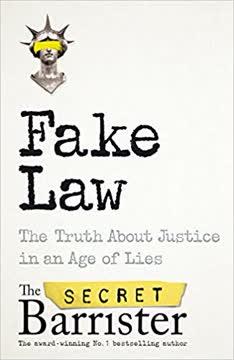
There is a peculiar phenomenon in British public life. Walk into any pub, scroll through any social media feed, or listen to any radio phone-in, and you will encounter people who are absolutely certain about how the law works. They know that criminals get off on technicalities. They know that human rights laws protect the wrong people. They know that compensation culture has run amok, that health and safety has gone mad, that judges are out of touch, and that the whole system is rigged against o
**Author:** The Secret Barrister
**Estimated Reading Time:** 45 minutes
**What You'll Learn:** Why so much of what you believe about the British legal system is wrong. How sensationalist headlines, political spin, and widespread ignorance have created a parallel universe of "fake law" that bears little resemblance to reality. You will learn how the justice system actually works, why the myths matter, and what happens when a society loses touch with its own legal foundations.
**Who This Book Is For:** Anyone who has ever read a news story about a court case and felt outrage. Anyone who has wondered whether human rights laws really do protect terrorists. Anyone who suspects that "compensation culture" has gone mad. And anyone who wants to understand why the rule of law matters, not just to lawyers in wigs, but to every single person who values a free and fair society.
There is a peculiar phenomenon in British public life. Walk into any pub, scroll through any social media feed, or listen to any radio phone-in, and you will encounter people who are absolutely certain about how the law works. They know that criminals get off on technicalities. They know that human rights laws protect the wrong people. They know that compensation culture has run amok, that health and safety has gone mad, that judges are out of touch, and that the whole system is rigged against ordinary, decent people. They know all of this. And almost none of it is true. The Secret Barrister wrote this book because they watched, day after day, as the gap between legal reality and public perception widened into a chasm. They sat in courtrooms where careful, principled decisions were made, only to read newspaper accounts the next morning that bore no resemblance to what had actually happened. They saw politicians denounce judgments they had clearly never read. They watched as myths about the legal system hardened into received wisdom, repeated so often that nobody thought to question them. This matters. It matters because when the public misunderstands how justice works, they become vulnerable to manipulation. They support policies that sound tough but actually make everyone less safe. They cheer for reforms that promise to save them money but actually strip away their rights. They vote for politicians who attack the very institutions that protect their freedoms. And they do all of this believing they are on the side of common sense. The problem is not that people are stupid. The problem is that legal education in this country is virtually nonexistent. Most people leave school knowing more about the periodic table than about their basic legal rights. They cannot name the principles that underpin criminal justice. They do not…
Continue reading in the MinuteRead app
Get the complete 30-minute summary of Fake Law
Get the complete summary in the appMost of what you believe about the legal system is probably wrong, and that is not an accident.
Compensation culture is a myth cultivated by insurance companies to justify restricting your access to justice.
Human rights laws protect everyone, especially the unpopular, and were largely drafted by British lawyers.
Legal aid cuts have created a two-tier justice system where access to the law depends on your ability to pay.
The presumption of innocence and the burden of proof are fundamental principles, not loopholes for criminals.
Judges are independent for a reason: to ensure the law is applied without fear or favor.
"Fake Law" is a strong fit if you want practical ideas around law, politics, crime, especially themes like most of what you believe about the legal system is probably wrong, and that is not an accident; compensation culture is a myth cultivated by insurance companies to justify restricting your access to justice. The MinuteRead summary distills these concepts into a focused read, whether you're deciding whether to buy the book or applying its lessons at work.
The Secret Barrister, the pseudonymous author of Fake Law , is a practicing criminal barrister in England and Wales. Known for their legal commentary, they gained recognition as an award-winning blogger, winning Independent Blogger of the Year in 2016 and 2017. The author's identity remains undisclosed, adding an air of mystery to their work. With a substantial Twitter following of nearly 88,000 at the time of the book's publication in March 2018, The Secret Barrister has established themselves …
View all summaries by The Secret BarristerContinue Reading
Access the complete 30-minute summary and thousands more nonfiction books in the MinuteRead app.

Continue reading the complete summary in the MinuteRead app.