MinuteRead
30 min
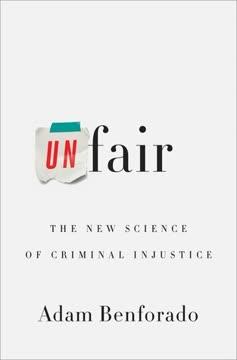
We think we understand justice. We believe we know why people commit crimes, how to identify the guilty, and what makes a good judge. We trust that our legal system, while imperfect, generally gets things right. We assume that bad outcomes are exceptions caused by a few bad actors.
**Author:** Adam Benforado
**Estimated Reading Time:** 45 minutes
**What You'll Learn:** Why our criminal justice system fails despite good intentions, how hidden forces shape every arrest and trial, why eyewitnesses and confessions deceive us, and what a truly fair system would look like.
**Who This Book Is For:** Anyone who has ever wondered how innocent people end up in prison, why the guilty sometimes walk free, or whether justice is truly blind. This book is for citizens, jurors, lawyers, judges, and anyone who believes fairness matters.
We think we understand justice. We believe we know why people commit crimes, how to identify the guilty, and what makes a good judge. We trust that our legal system, while imperfect, generally gets things right. We assume that bad outcomes are exceptions caused by a few bad actors.
Adam Benforado argues that these beliefs are dangerously wrong.
The criminal justice system rests on a foundation of assumptions about human behavior that scientific research has systematically dismantled. We assume people are rational actors who weigh costs and benefits before breaking the law. We assume eyewitnesses can reliably identify perpetrators. We assume confessions indicate guilt. We assume judges and juries can set aside their biases and evaluate evidence objectively. We assume harsh punishment deters crime.
None of these assumptions survive contact with the evidence.
The reality is that our brains operate largely on autopilot, driven by unconscious processes we neither control nor perceive. Our memories are not recordings but reconstructions, easily distorted by suggestion and time. Our judgments are shaped by race, gender, class, and countless other factors we would consciously reject. Our impulse to punish often makes us less safe, not more.
This book is not an attack on the people who work in the justice system. Police officers, prosecutors, defense attorneys, judges, and jurors are mostly well-intentioned people trying to do the right thing. The problem is not individual malice. The problem is that the system itself is built on a flawed model of human nature.
Benforado draws on psychology, neuroscience, and behavioral economics to reveal the hidden forces that produce unfair outcomes. He shows how eyewitness testimony, despite its power in court, is frighteningly unreliable. He explains why innocent people confess to crimes they did not commit. He exposes how the adversarial system incentivizes winning over truth-seeking. And he offers a vision for reform grounded in science rather than intuition.
The book is unsettling because it challenges deeply held beliefs about free will, moral responsibility, and the nature of justice. But it is also hopeful. By understanding the hidden architecture of unfairness, we can begin to design a system that actually delivers what it promises: equal justice under law.
Continue reading in the MinuteRead app
Get the complete 30-minute summary of Unfair
Get the complete summary in the appThe justice system assumes people are rational actors, but human behavior is driven by unconscious processes, emotions,
Eyewitness testimony is powerful but frighteningly unreliable. Memory is not a recording. It is a reconstruction.
Innocent people confess to crimes they did not commit. False confessions are not rare anomalies but predictable outcomes
Unconscious biases affect everyone, including people who sincerely reject prejudice. These biases shape every stage of t
Brain development, injury, and illness affect behavior in ways that challenge traditional notions of free will and moral
The adversarial system incentivizes winning over truth-seeking, leading to wrongful convictions and acquittals of the gu
"Unfair" is a strong fit if you want practical ideas around law, psychology, politics, especially themes like the justice system assumes people are rational actors, but human behavior is driven by unconscious processes, emotions,; eyewitness testimony is powerful but frighteningly unreliable. memory is not a recording. it is a reconstruction. The MinuteRead summary distills these concepts into a focused read, whether you're deciding whether to buy the book or applying its lessons at work.
Adam Benforado is a professor, writer, and lawyer with degrees from Yale and Harvard Law School. He has experience as a federal appellate law clerk and attorney. Benforado teaches at Drexel University and has published scholarly articles, book chapters, and op-eds in various publications. His first book, Unfair, became a New York Times bestseller and received numerous awards. His upcoming book, A Minor Revolution, explores how America is failing its children and argues that prioritizing kids' ne…
View all summaries by Adam BenforadoContinue Reading
Access the complete 30-minute summary and thousands more nonfiction books in the MinuteRead app.

Continue reading the complete summary in the MinuteRead app.