MinuteRead
30 min
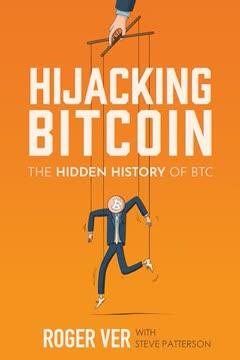
In 2008, a person or group using the name Satoshi Nakamoto published a white paper titled "Bitcoin: A Peer-to-Peer Electronic Cash System." The title was not ambiguous. Bitcoin was designed to be electronic cash, a system that would allow people to send money directly to one another without going through banks, payment processors, or any other intermediary.
**Author:** Roger Ver **Estimated Reading Time:** 45 minutes
**What You'll Learn:**
- Why Bitcoin was created and how its original purpose was systematically changed - The inside story of the blocksize wars and the censorship that shaped Bitcoin's direction - How a small group of developers gained control over a supposedly decentralized network - Why Bitcoin Cash exists and what it represents - What the future of digital money could look like if core principles are restored
**Who This Book Is For:**
This book is for anyone who has wondered why Bitcoin stopped being useful for everyday transactions. It is for people who remember when Bitcoin was described as digital cash, and for those who only know it as a speculative asset. It is for cryptocurrency newcomers who sense something is wrong but cannot articulate what. And it is for veterans who lived through the blocksize debates and want a clear account of what actually happened.
In 2008, a person or group using the name Satoshi Nakamoto published a white paper titled "Bitcoin: A Peer-to-Peer Electronic Cash System." The title was not ambiguous. Bitcoin was designed to be electronic cash, a system that would allow people to send money directly to one another without going through banks, payment processors, or any other intermediary. The white paper's introduction described the problem Bitcoin would solve. Commerce on the internet had come to rely almost exclusively on financial institutions serving as trusted third parties. These institutions added cost, introduced delays, and made truly small transactions impossible. What was needed, Satoshi argued, was an electronic payment system based on cryptographic proof instead of trust. For the first several years of Bitcoin's existence, this vision guided its development. People used Bitcoin to buy pizza, tip content creators, donate to causes, and send money across borders. Transaction fees were negligible. Confirmation times were reasonable. The system worked as intended. Then something changed. Bitcoin today is not usable as digital cash for ordinary people. Transaction fees have risen to levels that make small payments absurd. During periods of high demand, sending a transaction can cost tens of dollars. The network processes only a handful of transactions per second, a throughput that cannot support even a small fraction of global commerce. The narrative surrounding Bitcoin shifted from "peer-to-peer electronic cash" to "digital gold," a store of value that people should hold rather than spend. This transformation did not happen by accident. It was not an inevitable technical limitation. It was the result of deliberate decisions made by a small group of people who gained control over Bitcoin's software development and its public forums. This book tells that story. The author, Roger Ver, was one of Bitcoin's earliest and…
Continue reading in the MinuteRead app
Get the complete 30-minute summary of Hijacking Bitcoin
Get the complete summary in the appBitcoin was designed as peer-to-peer electronic cash for everyday transactions.
The blocksize limit was a temporary measure that was transformed into a permanent constraint.
A small group of developers controls Bitcoin's software and has reshaped it according to their own vision.
Bitcoin's forums were censored to suppress dissent and create a false impression of consensus.
The blocksize wars were a struggle over Bitcoin's fundamental purpose.
Bitcoin Cash was created to preserve the original vision of digital cash.
"Hijacking Bitcoin" is a strong fit if you want practical ideas around economics, finance, history, especially themes like bitcoin was designed as peer-to-peer electronic cash for everyday transactions; the blocksize limit was a temporary measure that was transformed into a permanent constraint. The MinuteRead summary distills these concepts into a focused read, whether you're deciding whether to buy the book or applying its lessons at work.
Roger Ver is a prominent figure in the cryptocurrency world, known as an early investor and advocate for Bitcoin. He later became involved in founding Bitcoin Cash, a fork of the original Bitcoin. Ver's background includes facing legal challenges, including allegations of tax evasion. His book presents his perspective on Bitcoin's history and development, offering insights into the events that led to the split between Bitcoin and Bitcoin Cash. Ver's views are often controversial within the crypt…
View all summaries by Roger VerContinue Reading
Access the complete 30-minute summary and thousands more nonfiction books in the MinuteRead app.

Continue reading the complete summary in the MinuteRead app.