MinuteRead
30 min
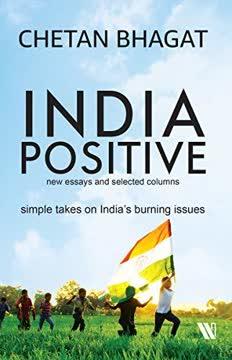
Every few years, Indians participate in the largest democratic exercise on Earth. We line up at polling booths, press buttons on electronic voting machines, and wait for results that promise transformation. New governments arrive with bold mandates. Old governments depart with explanations. Yet somehow, the fundamental texture of daily life remains stubbornly unchanged.
**Author:** Chetan Bhagat **Estimated Reading Time:** 45 minutes
Why India's progress feels stuck despite changing governments, how ordinary citizens can demand better from their leaders, and what specific reforms could unlock the country's potential. You'll understand the real dynamics behind major policy decisions, the gap between political success and economic outcomes, and how to think clearly about issues ranging from taxation to religious tolerance.
This book is for every Indian who has felt frustrated watching the news, confused by political debates, or uncertain about how to evaluate the promises made by leaders. It's for young people trying to understand why jobs are scarce, for taxpayers wondering where their money goes, and for anyone who wants to move beyond partisan shouting toward practical solutions.
Every few years, Indians participate in the largest democratic exercise on Earth. We line up at polling booths, press buttons on electronic voting machines, and wait for results that promise transformation. New governments arrive with bold mandates. Old governments depart with explanations. Yet somehow, the fundamental texture of daily life remains stubbornly unchanged. Getting a child into a good school still feels like winning a lottery. Finding a decent job still requires navigating a maze of connections and luck. Traffic still crawls through cities designed for a fraction of their current population. Government offices still demand bribes for services that should be routine. Healthcare costs still push families into debt. From 2009 to 2019, India experimented with different political configurations. Coalition governments led by seasoned politicians. Majority governments led by strong personalities. Different economic philosophies. Different approaches to governance. The results, measured against the daily struggles of ordinary citizens, have been remarkably similar. This book emerges from a simple observation: something about how Indians think about politics and governance needs to change. We have been asking the wrong questions, rewarding the wrong behaviors, and accepting outcomes that fall far short of what our nation deserves. The central problem is not any single political party or leader. The problem is a collective failure to understand how political incentives actually work. We think an elected government in power can do anything it wants. We believe that if a leader truly wanted to fix something, they would simply do it. We assume that good intentions translate into good outcomes. The reality is more complicated. Governments, regardless of their stated ideology, almost always act on the basis of current public opinion. Politicians are not independent actors pursuing their own vision of the good. They are, for better or worse, reflections of what voters reward and punish. If voters reward symbolic gestures over substantive reforms, politicians will deliver symbols. If voters punish honest assessments over comforting narratives, politicians will avoid honesty. This…
Continue reading in the MinuteRead app
Get the complete 30-minute summary of India Positive
Get the complete summary in the appChanging governments does not automatically change outcomes. The fundamental challenges facing ordinary Indians have per
Politicians respond to incentives. If voters reward symbolic gestures, politicians will deliver symbols. If voters rewar
Evaluate policies based on outcomes, not intentions. The gap between what a policy was supposed to achieve and what it a
Simplify the GST system. Multiple tax rates create complexity, opportunities for corruption, and burdens on small busine
Privatize loss-making state enterprises like Air India. Every rupee spent subsidizing them is a rupee not spent on healt
Look for win-win solutions to religious and social conflicts. Zero-sum framing makes compromise impossible.
"India Positive" is a strong fit if you want practical ideas around essays, india, especially themes like changing governments does not automatically change outcomes. the fundamental challenges facing ordinary indians have per; politicians respond to incentives. if voters reward symbolic gestures, politicians will deliver symbols. if voters rewar. The MinuteRead summary distills these concepts into a focused read, whether you're deciding whether to buy the book or applying its lessons at work.
Chetan Bhagat is a prominent Indian author, columnist, and motivational speaker. He writes op-ed pieces for major English and Hindi newspapers, focusing on youth issues and national development. Bhagat's popularity extends beyond his writing career, as he is widely regarded as a youth icon in India. After graduating from IIT Delhi and IIM Ahmedabad, he left his international investment banking career in 2009 to pursue writing full-time. The New York Times recognized him as "the biggest selling E…
View all summaries by Chetan BhagatContinue Reading
Access the complete 30-minute summary and thousands more nonfiction books in the MinuteRead app.

Continue reading the complete summary in the MinuteRead app.