MinuteRead
30 min
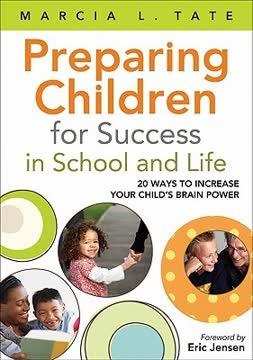
Book summary
Premium summary · Opens in the app · 30 min read
Every parent wants their child to succeed. We want them to do well in school, form healthy relationships, pursue meaningful work, and grow into adults who contribute something valuable to the world. But between wanting that outcome and actually achieving it lies a vast territory of daily decisions, small interactions, and accumulated habits that most of us navigate without a map.
**Author:** Marcia L. Tate
**Estimated Reading Time:** 45 minutes
**What You'll Learn:**
* How to build a relationship with your child that makes them receptive to your guidance * The brain science behind environments that help children thrive * Practical strategies for developing language, discipline, and resilience * How to partner with teachers and support your child's academic journey * A complete framework for raising confident, capable, and emotionally healthy children
**Who This Book Is For:**
Parents who want more than scattered tips. Grandparents and caregivers raising children. Teachers who want to understand what happens at home. Anyone who believes that raising successful children requires intention, knowledge, and a plan.
Every parent wants their child to succeed. We want them to do well in school, form healthy relationships, pursue meaningful work, and grow into adults who contribute something valuable to the world. But between wanting that outcome and actually achieving it lies a vast territory of daily decisions, small interactions, and accumulated habits that most of us navigate without a map. Marcia L. Tate wrote this book because she saw too many parents operating on instinct alone, repeating patterns from their own childhoods without questioning whether those patterns actually served their children. She saw parents who loved their children deeply but struggled to translate that love into the daily practices that build strong brains, resilient emotions, and capable human beings. The problem is not a lack of caring. Most parents care intensely. The problem is that caring does not automatically translate into effective action. You can love your child completely and still undermine their confidence through constant criticism. You can want them to succeed academically and still create an environment that works against their brain's natural learning processes. You can hope they grow up emotionally healthy and still miss the signs that they are struggling. Tate's approach is different because she grounds her advice in how the brain actually works. She is not offering another collection of parenting opinions or cultural preferences. She draws on decades of research in neuroscience, education, and child development to explain why certain practices work and others fail. When she tells you to create family rituals, she explains what those rituals do to a child's sense of security. When she encourages you to praise effort rather than ability, she shows you what happens in the brain when children receive each type of feedback. This matters because parenting is not a matter of following rules blindly. It is a matter of understanding principles deeply enough to apply them in your own unique family situation. Once you understand why a calm environment helps a child learn, you can create that environment in ways that fit your home,…
Continue reading in the MinuteRead app
Get the complete 30-minute summary of Preparing Children for Success in School and Life
Get the complete summary in the appBuild your child's emotional bank account with five to ten positive interactions for every negative one.
Create a calm, brain-friendly environment with calming colors, natural light, and reduced noise.
Feed your child's brain with lean proteins, complex carbohydrates, healthy fats, and plenty of water.
Talk and read with your child every day to build language skills and strengthen your bond.
Provide consistent rules, rituals, and responsibilities to create security and develop self-discipline.
Praise effort and progress rather than innate ability to foster a growth mindset.
"Preparing Children for Success in School and Life" is a strong fit if you want practical ideas around education, parenting, especially themes like build your child's emotional bank account with five to ten positive interactions for every negative one; create a calm, brain-friendly environment with calming colors, natural light, and reduced noise. The MinuteRead summary distills these concepts into a focused read, whether you're deciding whether to buy the book or applying its lessons at work.
Marcia L. Tate is an accomplished author and educator known for her work in brain-based learning strategies. She has extensive experience in the field of education, having worked as a classroom teacher, instructional lead teacher, and staff development executive director. Tate is recognized for her dynamic presentations and workshops, where she shares practical teaching methods that engage students and improve learning outcomes. She has authored several books on effective teaching strategies and…
View all summaries by Marcia L. TateContinue Reading
Access the complete 30-minute summary and thousands more nonfiction books in the MinuteRead app.

Continue reading the complete summary in the MinuteRead app.