MinuteRead
16 min
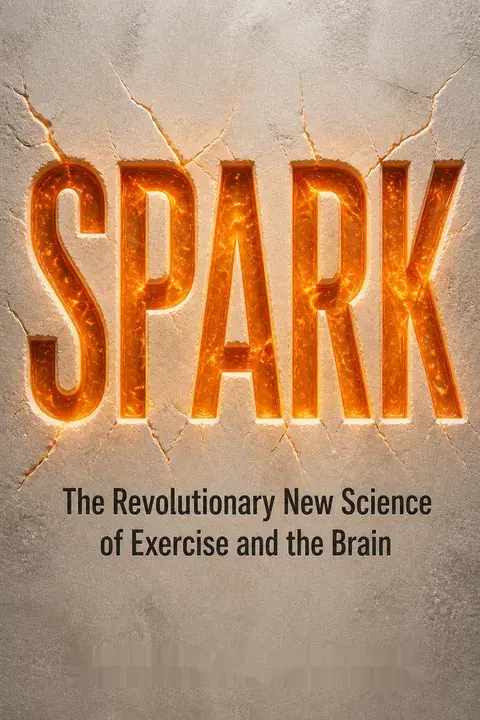
Most people think exercise is about looking better, losing weight, or building a healthier heart. These are worthy goals, but they miss something far more profound. The real reason to exercise has nothing to do with your appearance and everything to do with the organ inside your skull.
### By John J. Ratey, M.D.
**Estimated Reading Time:** 45 minutes
**What You'll Learn**
Why exercise is the single most powerful tool you have for optimizing your brain function, improving your mood, sharpening your focus, and protecting your mind against aging and disease. This book reveals the neuroscience behind how physical activity transforms the brain at a cellular level and provides a practical framework for using movement to enhance every aspect of your mental life.
**Who This Book Is For**
Anyone who wants to understand the profound connection between physical activity and mental performance. Whether you struggle with stress, anxiety, depression, attention difficulties, or simply want to maintain cognitive sharpness as you age, this book will change how you think about exercise forever. It is for parents, educators, clinicians, and anyone with a brain.
Most people think exercise is about looking better, losing weight, or building a healthier heart. These are worthy goals, but they miss something far more profound. The real reason to exercise has nothing to do with your appearance and everything to do with the organ inside your skull. John Ratey, a clinical professor of psychiatry at Harvard Medical School, spent decades treating patients with depression, anxiety, ADHD, and other mental health conditions. He prescribed medications, conducted therapy sessions, and followed the standard protocols. But over time, he noticed something remarkable. The patients who exercised regularly got better faster. They stayed better longer. Some improved so dramatically they no longer needed medication at all. This observation sent Ratey on a journey through the emerging neuroscience of exercise. What he discovered changed his entire approach to medicine. Physical activity does not just build muscles and strengthen the heart. It builds and conditions the brain. Every time you move your body, you trigger a cascade of neurochemical events that enhance your ability to learn, regulate your emotions, manage stress, and think clearly. The problem is that most people do not understand this connection. We treat exercise as optional, something we do if we have time, something we feel guilty about skipping. We see it as a chore rather than what it actually is: the most accessible, effective, and side-effect-free tool we have for optimizing brain function. Modern life has engineered movement out of our daily existence. We sit in cars, at desks, on couches. We stare at screens for hours. Our bodies were designed to move constantly, and our brains evolved in tandem with physical activity. When we stop moving, our brains suffer. Rates of depression, anxiety, ADHD, and cognitive decline have skyrocketed. Ratey argues these are not separate problems. They are connected to a fundamental mismatch between how our brains evolved to function and how we live today.…
Continue reading in the MinuteRead app
Get the complete 30-minute summary of Spark
Get the complete summary in the appExercise is the single most powerful tool for optimizing brain function.
BDNF is the master molecule of learning and memory, and exercise is the best way to boost it.
Physical activity before learning improves attention and encoding. Exercise after learning improves consolidation.
Exercise completes the stress cycle and trains your body to be more resilient to future stressors.
Movement is a natural anti-anxiety treatment that calms the amygdala and strengthens emotional regulation.
Exercise addresses the biological underpinnings of depression, including low BDNF, inflammation, and hippocampal atrophy
"Spark" is a strong fit if you want practical ideas around health, especially themes like exercise is the single most powerful tool for optimizing brain function; bdnf is the master molecule of learning and memory, and exercise is the best way to boost it. The MinuteRead summary distills these concepts into a focused read, whether you're deciding whether to buy the book or applying its lessons at work.
John J. Ratey, M.D. is an associate clinical professor of psychiatry at Harvard Medical School and maintains a private practice in Cambridge, Massachusetts. He co-authored the groundbreaking book "Driven to Distraction" in 1994, which helped demystify ADHD. Ratey has also written other influential works, including "Shadow Syndromes," which explores milder forms of clinical disorders. His research focuses on the relationship between brain function and various psychological and behavioral conditio…
View all summaries by John J. RateyContinue Reading
Access the complete 30-minute summary and thousands more nonfiction books in the MinuteRead app.

Continue reading the complete summary in the MinuteRead app.