MinuteRead
30 min
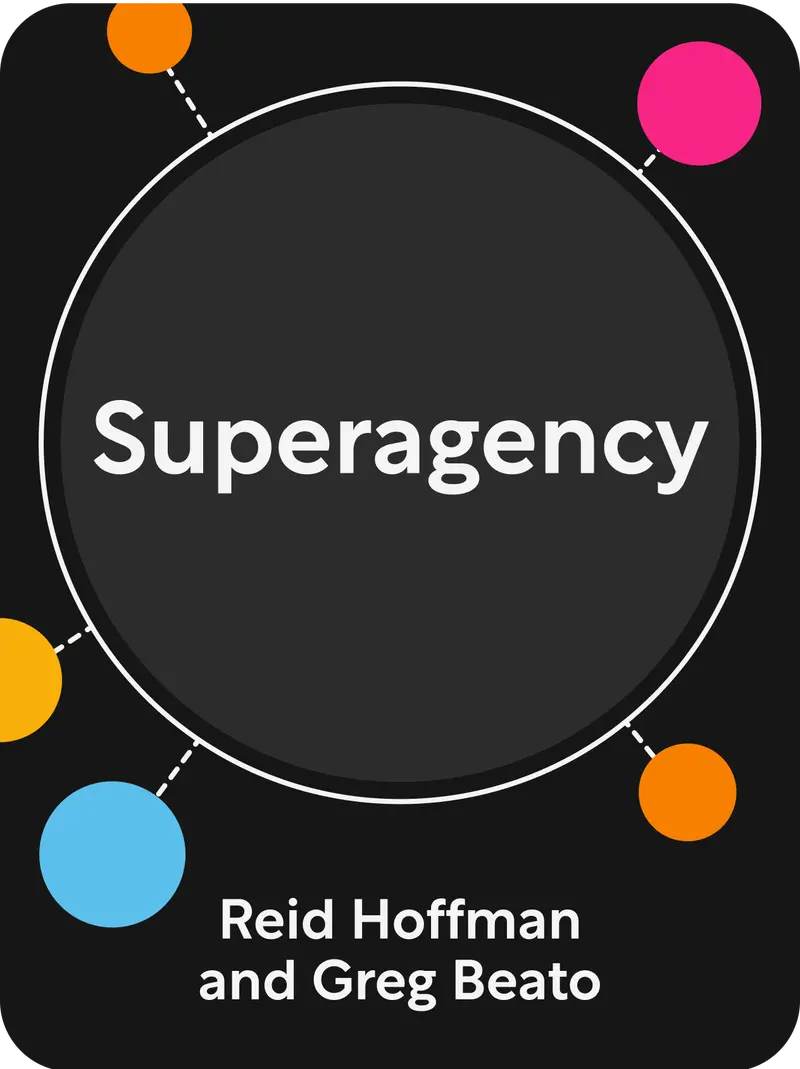
Book summary
by Reid Hoffman
Premium summary · Opens in the app · 30 min read
Every generation faces a moment when a new technology arrives with such force that it seems to threaten the very foundations of human identity. The printing press, the steam engine, electricity, the internet: each of these inventions provoked fear, resistance, and predictions of social collapse. And each time, humanity adapted, expanded, and ultimately became more capable than before.
**Author:** Reid Hoffman **Estimated Reading Time:** 45 minutes
This book presents a fundamentally optimistic vision for artificial intelligence. You will learn why AI represents not a threat to human autonomy but the greatest expansion of human capability in history. You will discover how to think about technological change, why prohibition fails, and what it means to build a future where technology serves human values rather than undermines them.
This book is for anyone who feels uncertain about the rapid rise of AI. If you have wondered whether these tools will take your job, erode your privacy, or diminish what makes life meaningful, this book offers a different perspective. It is also for leaders, entrepreneurs, and citizens who want to participate in shaping technology rather than simply reacting to it.
Every generation faces a moment when a new technology arrives with such force that it seems to threaten the very foundations of human identity. The printing press, the steam engine, electricity, the internet: each of these inventions provoked fear, resistance, and predictions of social collapse. And each time, humanity adapted, expanded, and ultimately became more capable than before. We are now living through another such moment. Artificial intelligence has moved from the realm of science fiction into everyday life. It writes essays, generates images, diagnoses diseases, drives cars, and composes music. For many people, this feels less like progress and more like an invasion. The headlines warn of mass unemployment, algorithmic manipulation, and machines that might one day outthink their creators. Reid Hoffman understands these fears. As the co-founder of LinkedIn, an early investor in OpenAI, and a participant in the development of modern AI systems, he has watched this technology evolve from the inside. But he has also spent decades studying how technological revolutions actually unfold. What he has learned is that the dominant narrative about AI is incomplete. The central problem is not that AI is too powerful. The problem is that we are thinking about it in the wrong way. We treat AI as a competitor for human relevance when we should treat it as an amplifier of human intention. We focus on what could go wrong when we should also be asking what could go right. We debate whether to stop the technology when we should be debating how to steer it. The fear that AI will diminish human agency is understandable. But Hoffman argues that the opposite is possible. Used well, AI can give ordinary people capabilities that were once reserved for the wealthy, the powerful, or the exceptionally talented. A small business owner can now access the analytical power of a large corporation. A student in a remote village can learn from the same educational…
Continue reading in the MinuteRead app
Get the complete 30-minute summary of Superagency
Get the complete summary in the appAI can expand human agency rather than diminish it. This is the essence of superagency.
Technology and humanism are complementary, not opposing. Every technology has redefined what it means to be human.
The future is explored collectively through iterative deployment, not designed by experts.
Prohibition of powerful technologies rarely works. Steering toward a better future is more effective than trying to stop
AI can help convert Big Data into Big Knowledge, enabling better decisions and greater agency.
The private commons is a mutualistic ecosystem where users and platforms both benefit.
"Superagency" is a strong fit if you want practical ideas around artificial intelligence, technology, business, especially themes like ai can expand human agency rather than diminish it. this is the essence of superagency; technology and humanism are complementary, not opposing. every technology has redefined what it means to be human. The MinuteRead summary distills these concepts into a focused read, whether you're deciding whether to buy the book or applying its lessons at work.
Reid Hoffman is a prominent entrepreneur, investor, and author known for co-founding LinkedIn and his role at PayPal. He's a partner at Greylock, investing in network-effect businesses. Hoffman co-founded Inflection AI and hosts podcasts on scaling businesses. He's authored bestselling books on entrepreneurship and technology. With degrees from Stanford and Oxford, Hoffman has received numerous awards and honors. He serves on boards of tech companies and non-profits, focusing on leveraging techn…
View all summaries by Reid HoffmanContinue Reading
Access the complete 30-minute summary and thousands more nonfiction books in the MinuteRead app.

Continue reading the complete summary in the MinuteRead app.