MinuteRead
30 min
Book summary
Premium summary · Opens in the app · 30 min read
The moment you hear the words "Asperger's syndrome" attached to your child, something shifts. For many parents, that moment arrives with a confusing mixture of emotions. Relief, because there is finally a name for what you have been observing. Fear, because you do not know what that name means for your child's future. Grief, because the child you imagined is suddenly reframed through a diagnostic lens. And beneath all of it, a quiet but persistent question: What do I do now?
**Author:** William Stillman
**Estimated Reading Time:** 48 minutes
**What You'll Learn:**
- Why Asperger's syndrome is a different way of being, not a disorder to be cured - How to communicate effectively with a child who thinks in pictures - Practical strategies for teaching social skills without forcing conformity - How to transform intense interests into bridges for learning and future careers - What it takes to prepare a child with Asperger's for a fulfilling adulthood
**Who This Book Is For:**
Parents who have just received a diagnosis and feel overwhelmed. Parents who have been navigating Asperger's for years but need fresh perspectives. Educators who want to understand their students better. Family members who want to support a child they love. And anyone who believes that different ways of thinking deserve respect rather than correction.
The moment you hear the words "Asperger's syndrome" attached to your child, something shifts. For many parents, that moment arrives with a confusing mixture of emotions. Relief, because there is finally a name for what you have been observing. Fear, because you do not know what that name means for your child's future. Grief, because the child you imagined is suddenly reframed through a diagnostic lens. And beneath all of it, a quiet but persistent question: What do I do now? William Stillman wrote this book to answer that question. But he wrote it with a conviction that sets his approach apart from many other resources on the subject. Stillman does not believe Asperger's syndrome is a tragedy. He does not believe it is a disease to be cured or a defect to be corrected. He believes it is a natural variation in human neurology, a different way of perceiving and processing the world that comes with its own logic, its own gifts, and its own challenges. This perspective matters more than you might initially realize. The way you frame your child's diagnosis shapes every decision you make afterward. If you see Asperger's as a disorder, you will spend your energy trying to fix your child. If you see it as a difference, you will spend your energy trying to understand your child and help them navigate a world that was not designed for their way of thinking. The first approach leads to exhaustion and frustration. The second leads to connection and growth. Stillman's authority on this subject comes from lived experience. He has Asperger's syndrome himself, which gives him an insider's understanding that purely clinical perspectives often lack. He knows what it feels like to be a child who cannot decode the unwritten rules of social interaction. He understands why certain sounds or textures can feel unbearable. He remembers what it was like to…
Continue reading in the MinuteRead app
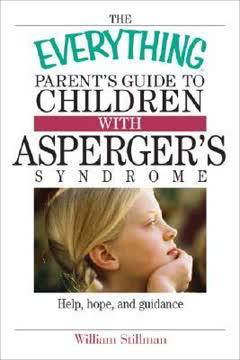
Get the complete 30-minute summary of The Everything Parent's Guide To Children With Asperger's Syndrome
Get the complete summary in the appAsperger's is a different way of being, not a disease to be cured.
Your child is a whole person with strengths and challenges, not a collection of symptoms.
Many children with Asperger's are visual thinkers. Communicate with pictures, written words, and concrete language.
Social skills can be taught explicitly through role-playing, social stories, and practice.
Passions are gifts. Build on them as bridges to learning and future careers.
Structure and predictability reduce anxiety. Create routines and use visual supports.
"The Everything Parent's Guide To Children With Asperger's Syndrome" is a strong fit if you want practical ideas around autistic spectrum disorder, parenting, especially themes like asperger's is a different way of being, not a disease to be cured; your child is a whole person with strengths and challenges, not a collection of symptoms. The MinuteRead summary distills these concepts into a focused read, whether you're deciding whether to buy the book or applying its lessons at work.
William Stillman is an author and expert on autism spectrum disorders, particularly Asperger's Syndrome. He has personal experience with Asperger's, which informs his writing and understanding of the subject. Stillman is known for his compassionate and respectful approach to discussing autism spectrum diagnoses. His work focuses on providing practical advice and resources for parents, educators, and individuals affected by Asperger's Syndrome. Stillman's expertise extends to addressing various a…
View all summaries by William StillmanContinue Reading
Access the complete 30-minute summary and thousands more nonfiction books in the MinuteRead app.

Continue reading the complete summary in the MinuteRead app.