MinuteRead
30 min
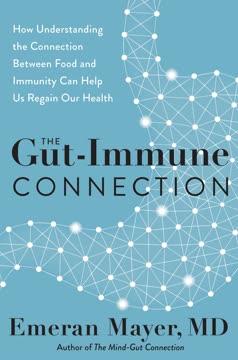
Book summary
by Emeran Mayer
Premium summary · Opens in the app · 30 min read
Something strange has happened to human health over the past seventy-five years. We have more medical technology, more pharmaceutical interventions, and more nutritional information than any generation in history. Yet we are sicker than ever before in ways that matter deeply.
**Author:** Emeran Mayer
**Estimated Reading Time:** 45 minutes
**What You'll Learn:**
- Why chronic diseases have exploded over the past seventy-five years - How your gut microbiome shapes your brain, immune system, and overall health - The hidden damage caused by the modern Western diet and lifestyle - Practical strategies to restore gut health through food, fasting, exercise, and sleep - Why soil health and planetary health are inseparable from human health
**Who This Book Is For:**
This book is for anyone who has wondered why so many people today suffer from chronic illness despite living longer than ever before. It is for readers who want to understand the deeper causes behind conditions like depression, diabetes, autoimmune disorders, and neurodegenerative diseases. It is for those who are ready to take meaningful action to protect their health and the health of future generations. If you have ever felt confused by conflicting dietary advice or frustrated by treatments that only address symptoms, this book will give you a new lens through which to understand your body and the world around you.
Something strange has happened to human health over the past seventy-five years. We have more medical technology, more pharmaceutical interventions, and more nutritional information than any generation in history. Yet we are sicker than ever before in ways that matter deeply. Consider the numbers. Cardiovascular disease remains the leading cause of death worldwide. Type 2 diabetes has reached epidemic proportions, affecting hundreds of millions of people. Autoimmune diseases, once rare, now afflict growing numbers of children and adults. Depression and anxiety have become so common that they are treated as ordinary features of modern life. Autism spectrum disorder diagnoses have risen dramatically. Alzheimer's disease and Parkinson's disease are projected to overwhelm healthcare systems in the coming decades. Cancer, despite billions spent on research and treatment, continues to strike one in two men and one in three women at some point in their lives. These conditions appear unrelated on the surface. They affect different organs, produce different symptoms, and are treated by different medical specialists. A cardiologist treats heart disease. A psychiatrist treats depression. A neurologist treats Parkinson's. A gastroenterologist treats inflammatory bowel disease. The specialists rarely speak to one another, and their treatments rarely overlap. But what if these diseases share a common root cause? What if the modern environment we have created is systematically undermining a system in the body that influences all of these conditions? What if the key to understanding the chronic disease epidemic lies not in any single organ but in the trillions of microorganisms living in our digestive tract? This is the central argument of Emeran Mayer's work. Mayer is a gastroenterologist and neuroscientist who has…
Continue reading in the MinuteRead app
Get the complete 30-minute summary of The Gut-Disease Connection
Get the complete summary in the appYour gut microbiome is the missing link between the modern environment and the epidemic of chronic disease.
The brain and gut are in constant bidirectional communication through the brain-gut-microbiome network.
The modern Western diet has starved beneficial gut bacteria and reduced microbial diversity, contributing to chronic dis
Chronic stress disrupts the gut microbiome, creating a vicious cycle that can lead to depression, anxiety, and other pro
A plant-centered diet rich in diverse plant foods is the most powerful dietary intervention for gut health.
Time-restricted eating aligns eating with circadian rhythms and gives the gut a daily period of rest and recovery.
"The Gut-Disease Connection" is a strong fit if you want practical ideas around health, science, food, especially themes like your gut microbiome is the missing link between the modern environment and the epidemic of chronic disease; the brain and gut are in constant bidirectional communication through the brain-gut-microbiome network. The MinuteRead summary distills these concepts into a focused read, whether you're deciding whether to buy the book or applying its lessons at work.
Emeran Mayer is a renowned expert in gut-brain interactions and microbiome research. Born in Bavaria, he chose medicine over his family's confectionery business. After completing his medical education in Munich and residency in Vancouver, he moved to Los Angeles to study gut-brain interactions. Mayer's passion for adventure led him to participate in film expeditions and climb major mountains worldwide. His approach to medicine integrates Buddhist philosophy, ancient healing practices, and modern…
View all summaries by Emeran MayerContinue Reading
Access the complete 30-minute summary and thousands more nonfiction books in the MinuteRead app.

Continue reading the complete summary in the MinuteRead app.