MinuteRead
30 min
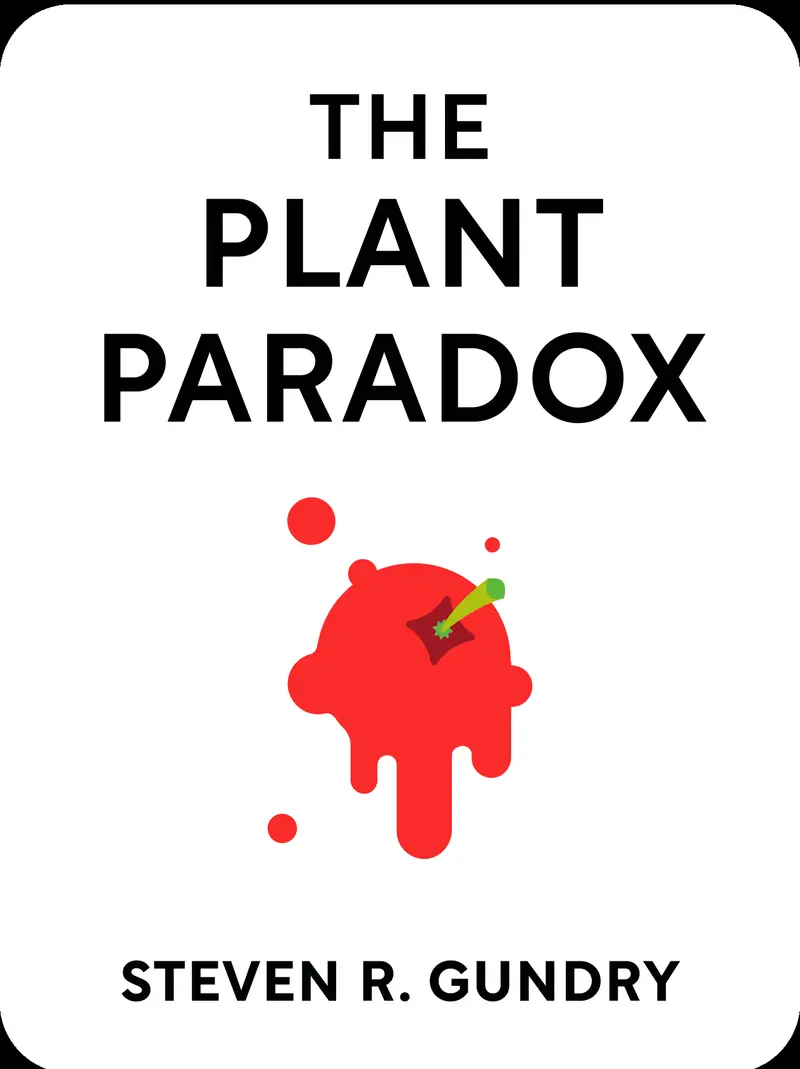
The Plant Paradox helps you make better food decisions and eat healthier by arguing that some plant foods that we think are healthy can actually be harming us and making it harder to lose weight.
The Plant Paradox helps you make better food decisions and eat healthier by arguing that some plant foods that we think are healthy can actually be harming us and making it harder to lose weight.
We all know that animals evolve to avoid predators. Think of a Monarch caterpillar, poisonous to birds, or a cuttlefish that can change color to avoid being seen. But did you know that plants also have found ways to protect themselves? One secret weapon that a plant has to defend itself is in the form of the protein lectin.
Lectin exists in the seeds, leaves, grains, and skins of most plants. When an animal consumes lectin, the protein binds to sugar molecules in the animal’s brain and nerves, causing them to not function properly. The result is brain fog, which causes trouble focusing and memory difficulty. The sole purpose of lectin is to teach animals that they shouldn’t eat these plants in the future.
The bad news for humans is that it also causes brain fog and weight issues. One particularly bad culprit is the lectin found in wheat. It causes sugar to enter our fat cells, where it is converted to fat and makes us gain weight. For our ancestors, having a “wheat belly” was an effective way to survive long winters. This made it a valuable part of their diet. For us, the side effects aren’t so welcome.
The side effects of wheat lectin don’t end at weight gain. But first, we need to understand a little about the way digestion works.
Your gastrointestinal tract contains trillions of microbes that help you convert food to energy. Without these precious gut bacteria, you would starve to death. So your body makes sure to keep them in the intestines. If they are somehow able to escape, your body will see them as a foreign invader and essentially begin attacking itself.
So where do lectins come in? Lectins increase the permeability of the intestinal tract and allow valuable microbes to spill out.
The reason we have this risk today is that whole grain has become so popular as a health food. For centuries societies removed the bran, or the part containing the lectin. But now that whole grain is touted as much more healthy, people are consuming more lectin as a result.
This increases the risk of developing autoimmune disorders such as diabetes and Crohn’s disease.
Like many diets, the author’s Plant Paradox Program tells you what foods you should cut out of your diet. He believes what you don’t eat is more important than what you do eat because eating the wrong things will lead to a harmful reaction in your body. The author advises…
Continue reading in the MinuteRead app
Get the complete 5-minute summary of The Plant Paradox
Get the complete summary in the appPlants might make you experience mental cloudiness and weight gain because of the proteins they use to defend themselves.
Your body can attack itself when you consume whole-grain foods because of the protein lectin.
Avoiding certain foods, doing three-day cleanse, and taking supplements will get you on the right track to full health.
"The Plant Paradox" is a strong fit if you want practical ideas around fitness, health, nutrition, especially themes like plants might make you experience mental cloudiness and weight gain because of the proteins they use to defend themselves; your body can attack itself when you consume whole-grain foods because of the protein lectin. The MinuteRead summary distills these concepts into a focused read, whether you're deciding whether to buy the book or applying its lessons at work.
We're showing you items that ship to India. To see items that ship to a different country, change your delivery address.
View all summaries by Steven R. GundryContinue Reading
Access the complete 5-minute summary and thousands more nonfiction books in the MinuteRead app.

Continue reading the complete summary in the MinuteRead app.