MinuteRead
30 min
Book summary
Premium summary · Opens in the app · 30 min read
In 2008, the global financial system nearly collapsed. Banks that had seemed invincible crumbled overnight. Economies that had grown for decades suddenly contracted. The crisis did more than destroy wealth. It shattered a comforting illusion that had taken hold across the world: the belief that some nations had figured out how to grow forever.
**Author:** Ruchir Sharma
**Estimated Reading Time:** 45 minutes
**What You'll Learn:**
* Why economic miracles rarely last and what actually predicts national success * How demographics, billionaires, and even onion prices reveal a country's trajectory * The ten rules for identifying which nations will rise and which will fall * How to see through economic hype and spot genuine transformation
**Who This Book Is For:**
Anyone who wants to understand why countries succeed and fail. Investors seeking an edge in global markets. Policymakers wrestling with reform. Curious readers who sense that the headlines about economic miracles and disasters rarely tell the full story. This book is for those who want a clearer lens on the forces shaping our world.
In 2008, the global financial system nearly collapsed. Banks that had seemed invincible crumbled overnight. Economies that had grown for decades suddenly contracted. The crisis did more than destroy wealth. It shattered a comforting illusion that had taken hold across the world: the belief that some nations had figured out how to grow forever. Before the crisis, the world was full of economic miracles. Brazil was booming. India was unstoppable. China's rise seemed inevitable. The BRICS nations were celebrated as the future of the global economy. Investors poured money into emerging markets with the confidence that these countries had somehow escaped the old rules of economic gravity. Then the tide went out. Brazil fell into its worst recession in a century. Russia's economy stalled. India's growth slowed dramatically. China began its long struggle with debt and demographic decline. The miracle narratives collapsed one by one. Ruchir Sharma watched this unfold from a unique vantage point. As head of emerging markets at Morgan Stanley Investment Management, he had spent decades traveling to the countries that were supposedly transforming themselves. He had seen the construction cranes in Shanghai, the call centers in Bangalore, the commodity boom in São Paulo. But he had also seen the warning signs that most observers missed: the empty highways, the inflated statistics, the political rot beneath the economic gloss. What Sharma realized was that the world had entered a new era. The post-Cold War period of rapid globalization, expanding trade, and easy credit was over. The financial crisis marked the end of a golden age for emerging markets. From now on, growth would be harder to achieve. The easy wins were gone. The countries that would thrive in this new era would be those that understood a fundamental truth: economic conditions are impermanent, and only those who adapt will survive. This book is built on that insight. Sharma spent years developing a framework for understanding which nations rise and which fall. He identified ten key factors that determine…
Continue reading in the MinuteRead app
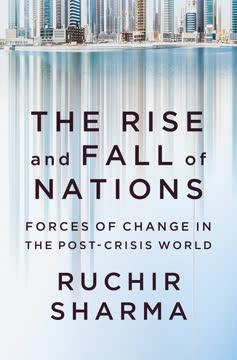
Get the complete 30-minute summary of The Rise and Fall of Nations
Get the complete summary in the appEconomic growth is cyclical, not permanent. Nations rise and fall.
Demographics shape economic destiny, but policy choices determine outcomes.
Good billionaires create value; bad billionaires extract it. The mix matters.
The direction of government involvement matters more than the current level.
Manufacturing remains crucial for development.
High inflation is always a bad sign.
"The Rise and Fall of Nations" is a strong fit if you want practical ideas around economics, politics, history, especially themes like economic growth is cyclical, not permanent. nations rise and fall; demographics shape economic destiny, but policy choices determine outcomes. The MinuteRead summary distills these concepts into a focused read, whether you're deciding whether to buy the book or applying its lessons at work.
Ruchir Sharma is a prominent figure in global finance and economics. As Managing Director and Head of the global emerging markets equity team at Morgan Stanley Investment Management, he oversees portfolio performance and construction. Sharma joined the firm in 1996 and has since taken on leadership roles. He is also a respected columnist, contributing to publications like Newsweek and The Wall Street Journal. Sharma's expertise extends to foreign exchange and global financial markets. He holds a…
View all summaries by Ruchir SharmaContinue Reading
Access the complete 30-minute summary and thousands more nonfiction books in the MinuteRead app.

Continue reading the complete summary in the MinuteRead app.