MinuteRead
30 min
The promise of a green energy future is seductive. Electric vehicles glide silently down highways. Solar panels shimmer on rooftops. Wind turbines spin against blue skies. The narrative suggests that if we simply commit to these technologies, we can leave the dirty age of fossil fuels behind and enter a cleaner, more responsible era.
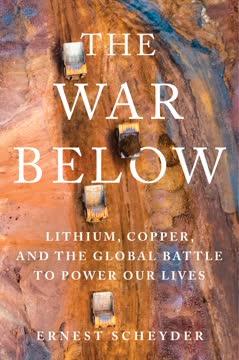
**Author:** Ernest Scheyder
**Estimated Reading Time:** 45 minutes
**What You'll Learn:**
- Why the transition to green energy depends on mining more than most people realize - How a rare desert flower became a flashpoint in the battle over lithium - What happens when sacred Indigenous lands sit atop one of the world's largest copper deposits - Why recycling alone cannot solve the critical minerals shortage - How communities, companies, and governments are navigating impossible trade-offs - What direct lithium extraction could mean for the future of energy independence
**Who This Book Is For:**
Anyone who drives an electric vehicle or plans to buy one, anyone who cares about climate change, anyone who believes the transition away from fossil fuels will be clean and simple, and anyone willing to confront the uncomfortable truth that every choice carries a cost. This book is for people who want to understand where the materials for a greener future actually come from, and what gets sacrificed along the way.
The promise of a green energy future is seductive. Electric vehicles glide silently down highways. Solar panels shimmer on rooftops. Wind turbines spin against blue skies. The narrative suggests that if we simply commit to these technologies, we can leave the dirty age of fossil fuels behind and enter a cleaner, more responsible era. But every electric vehicle requires lithium. Every wind turbine requires copper. Every solar panel requires silver and silicon. And every one of those materials must be dug out of the ground. Ernest Scheyder spent years covering the fracking revolution for Reuters, watching communities wrestle with the costs and benefits of oil and gas extraction. When he turned his attention to the minerals powering the energy transition, he discovered something unexpected: the same conflicts that defined the fossil fuel era were repeating themselves, often in more intense and more personal ways. The War Below is not an argument against green energy. It is not a defense of mining. It is a clear-eyed examination of what the energy transition actually requires, and who pays the price. Scheyder takes readers to the remote deserts of Nevada, where a botanist named Jerry Tiehm discovered a tiny yellow flower growing on a lithium deposit worth billions of dollars. He travels to Arizona, where the San Carlos Apache fight to protect a sacred site from a copper mine that could supply a quarter of America's annual copper needs. He visits the Salton Sea in California, where entrepreneurs dream of extracting lithium from geothermal brine while local communities wonder whether they will benefit or be left behind. Throughout these journeys, Scheyder refuses to offer easy answers. He presents the perspectives of mining executives who genuinely believe their work…
Continue reading in the MinuteRead app
Get the complete 30-minute summary of The War Below
Get the complete summary in the appThe green energy transition requires mining. There is no way to build electric vehicles, wind turbines, or solar panels
Every choice involves trade-offs. The question is not whether to have environmental impacts, but how to manage them.
Sacred sites are irreplaceable. The destruction of Indigenous sacred land is a spiritual catastrophe that cannot be comp
China dominates the global supply chain for critical minerals. This dominance gives China leverage over the energy trans
Recycling can help, but it cannot solve the problem. New mining is necessary to supply the materials for the energy tran
Responsible mining is possible, but it requires standards, transparency, and accountability.
"The War Below" is a strong fit if you want practical ideas around economics, science, politics, especially themes like the green energy transition requires mining. there is no way to build electric vehicles, wind turbines, or solar panels; every choice involves trade-offs. the question is not whether to have environmental impacts, but how to manage them. The MinuteRead summary distills these concepts into a focused read, whether you're deciding whether to buy the book or applying its lessons at work.
Ernest Scheyder is a journalist who previously reported on the oil industry for Reuters, focusing on the fracking revolution. His background in covering extractive industries prepared him well for writing The War Below. Scheyder conducted extensive interviews and traveled to many of the locations featured in the book, giving him firsthand knowledge of the mining conflicts he describes. His reporting style aims for balance, presenting multiple perspectives without taking sides. Readers noted his …
View all summaries by Ernest ScheyderContinue Reading
Access the complete 30-minute summary and thousands more nonfiction books in the MinuteRead app.

Continue reading the complete summary in the MinuteRead app.