MinuteRead
30 min
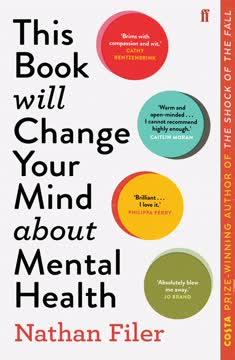
Book summary
by Nathan Filer
Premium summary · Opens in the app · 30 min read
Something strange happens when we talk about mental health. We use words like schizophrenia, bipolar disorder, and psychosis as though they name distinct diseases with clear biological causes. We speak of chemical imbalances and broken brains. We imagine that psychiatric diagnoses work like medical diagnoses, identifying the underlying pathology that explains a person's suffering.
**Author:** Nathan Filer
**Estimated Reading Time:** 45 minutes
**What You'll Learn:**
Why psychiatric diagnoses are not the same as medical diseases. How trauma and social conditions shape mental distress far more than we acknowledge. What antipsychotic medications actually do to the brain and why that matters. How personal stories reveal truths that diagnostic labels conceal. Why poverty remains the single strongest predictor of psychosis. And what all of this means for how we think about, talk about, and respond to mental suffering.
**Who This Book Is For:**
Anyone who has received a psychiatric diagnosis, loves someone who has, works in mental health care, or simply wants to understand the deeper realities behind the labels we use. This book is for people who sense that the dominant narrative about mental illness is incomplete and are ready to think more carefully about what we know, what we don't know, and what we owe each other.
Something strange happens when we talk about mental health. We use words like schizophrenia, bipolar disorder, and psychosis as though they name distinct diseases with clear biological causes. We speak of chemical imbalances and broken brains. We imagine that psychiatric diagnoses work like medical diagnoses, identifying the underlying pathology that explains a person's suffering. But what if none of that is true? Nathan Filer spent years working as a mental health nurse before becoming an award-winning writer. He has sat with people in the depths of psychosis, listened to their stories, administered medications, and witnessed the complex realities that lie behind the diagnostic labels. His book is not an attack on psychiatry or a dismissal of mental suffering. It is something rarer and more valuable: an honest, deeply researched, and profoundly humane examination of what we actually know about mental health and what we only pretend to know. The problem this book addresses is not that people suffer. Suffering is real, and severe mental distress can devastate lives. The problem is that our dominant way of understanding that suffering, the medical model that treats emotional and psychological distress as brain diseases, has failed to deliver on its promises. Despite decades of research, there are no blood tests for schizophrenia, no brain scans that can diagnose bipolar disorder, no biological markers that reliably distinguish one psychiatric condition from another. The chemical imbalance theory, widely promoted for decades, has been quietly abandoned by leading researchers. And yet the language of disease remains dominant, shaping how we treat people, how we fund research, and how those who suffer understand themselves. Why does this matter? Because the stories we tell about mental distress change everything. They determine whether someone sees themselves as a person responding to overwhelming circumstances or as a…
Continue reading in the MinuteRead app
Get the complete 30-minute summary of This Book Will Change Your Mind About Mental Health
Get the complete summary in the appPsychiatric diagnoses are labels, not diseases. They describe patterns of experience but do not explain their causes.
Trauma and social conditions are among the strongest predictors of mental health problems. Biology is only part of the s
Antipsychotic medications suppress brain activity broadly. They can help and they can harm, and honest conversation requ
The dopamine hypothesis is incomplete. The chemical imbalance story told to the public does not reflect current scientif
Mental health care systems are not neutral. They reflect and reproduce social inequalities, including racism.
Delusions are extreme versions of normal cognitive processes. They are not qualitatively different from ordinary beliefs
"This Book Will Change Your Mind About Mental Health" is a strong fit if you want practical ideas around mental health, psychology, science, especially themes like psychiatric diagnoses are labels, not diseases. they describe patterns of experience but do not explain their causes; trauma and social conditions are among the strongest predictors of mental health problems. biology is only part of the s. The MinuteRead summary distills these concepts into a focused read, whether you're deciding whether to buy the book or applying its lessons at work.
Nathan Filer is a multifaceted creative professional based in Bristol, UK. He is an accomplished writer, lecturer in creative writing, and stand-up poet. Filer's poetry performances have been featured at various UK festivals and events, as well as broadcast on multiple BBC radio channels and BBC 3 television. His talents extend to filmmaking, earning him recognition as a BBC Best New Filmmaker. Filer holds an MA in creative writing from Bath Spa University. In addition to his creative pursuits, …
View all summaries by Nathan FilerContinue Reading
Access the complete 30-minute summary and thousands more nonfiction books in the MinuteRead app.

Continue reading the complete summary in the MinuteRead app.