MinuteRead
30 min
Book summary
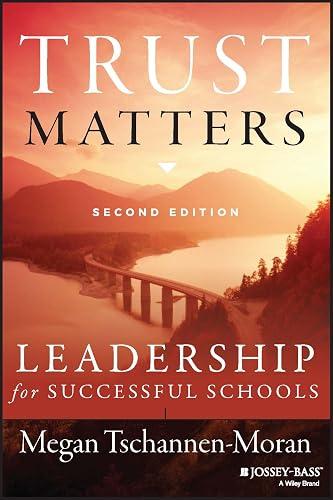
by Megan Tschannen-Moran
Premium summary · Opens in the app · 30 min read
Every school leader has experienced the frustration of watching a good idea die. A new literacy program is introduced with enthusiasm. The research supporting it is solid. The training is thorough. The materials are high quality. Yet six months later, teachers have quietly returned to their old methods. The initiative joins a long list of abandoned reforms gathering dust in the collective memory of the faculty.
**Author:** Megan Tschannen-Moran
**Estimated Reading Time:** 45 minutes
**What You'll Learn:**
- Why trust is the single most important factor in school success - The five essential facets of trust and how to cultivate each one - How principals, teachers, students, and parents each contribute to a trusting school culture - Practical strategies for building, measuring, and repairing trust - A complete framework for transforming your school through trustworthy leadership
**Who This Book Is For:**
This book is for school leaders who sense that something invisible is holding their schools back. It is for principals who have tried new programs, new curricula, and new initiatives, only to watch them stall. It is for teachers who want to understand why some faculties collaborate effortlessly while others remain isolated behind closed doors. It is for anyone who has ever wondered why two schools with similar demographics and resources can produce radically different results.
The answer, as Megan Tschannen-Moran demonstrates through decades of research, is trust.
Every school leader has experienced the frustration of watching a good idea die. A new literacy program is introduced with enthusiasm. The research supporting it is solid. The training is thorough. The materials are high quality. Yet six months later, teachers have quietly returned to their old methods. The initiative joins a long list of abandoned reforms gathering dust in the collective memory of the faculty. What went wrong? The program was sound. The training was adequate. The resources were sufficient. But something essential was missing. That something is trust. When teachers do not trust their principal, they interpret new initiatives through a lens of suspicion. They wonder what hidden agenda lurks behind the request. They doubt whether the promised support will materialize. They hesitate to invest effort in something they suspect will be abandoned when the next administrative trend arrives. Without trust, even the best ideas fail to take root. When teachers do not trust each other, they close their classroom doors and keep their struggles private. They avoid asking for help because vulnerability feels dangerous. They hoard successful strategies rather than sharing them. The collective wisdom of the faculty remains fragmented and inaccessible. When students do not trust their teachers, they protect themselves from potential embarrassment by refusing to engage. They do not ask questions when confused. They do not attempt challenging work that might expose their limitations. They disengage from learning as a defense mechanism. When parents do not trust the school, they approach interactions with wariness. They question the motives behind recommendations. They resist involvement because partnership requires vulnerability. Their children absorb this distrust and carry it into the classroom. Trust is not a soft, fuzzy concept that matters only to those who…
Continue reading in the MinuteRead app
Get the complete 30-minute summary of Trust Matters
Get the complete summary in the appTrust is the foundation of successful schools. Schools with high trust outperform schools with low trust, even when cont
Trust has five facets: benevolence, honesty, openness, reliability, and competence. All five matter.
The principal bears primary responsibility for building and sustaining trust. This cannot be delegated.
Teacher trust in colleagues enables collaboration and collective efficacy, which is a powerful predictor of student achi
Student trust in teachers is essential for academic risk-taking and school engagement. Students must believe their teach
Parent trust in schools is built through partnership, respect for diversity, and shared power. Schools must adapt to fam
"Trust Matters" is a strong fit if you want practical ideas around education, leadership, psychology, especially themes like trust is the foundation of successful schools. schools with high trust outperform schools with low trust, even when cont; trust has five facets: benevolence, honesty, openness, reliability, and competence. all five matter. The MinuteRead summary distills these concepts into a focused read, whether you're deciding whether to buy the book or applying its lessons at work.
Motivated to help readers with trust matters because we cannot single-handedly either create or sustain many of the things we care about most, Megan Tschannen-Moran wrote “Trust Matters” to package those ideas for a fast, focused read. In “Trust Matters”, Megan Tschannen-Moran focuses on trust matters because we cannot single-handedly either create or sustain many of the things we care about most. Through “Trust Matters”, Megan Tschannen-Moran distills the core ideas on education into lessons re…
Continue Reading
Access the complete 30-minute summary and thousands more nonfiction books in the MinuteRead app.

Continue reading the complete summary in the MinuteRead app.