MinuteRead
30 min
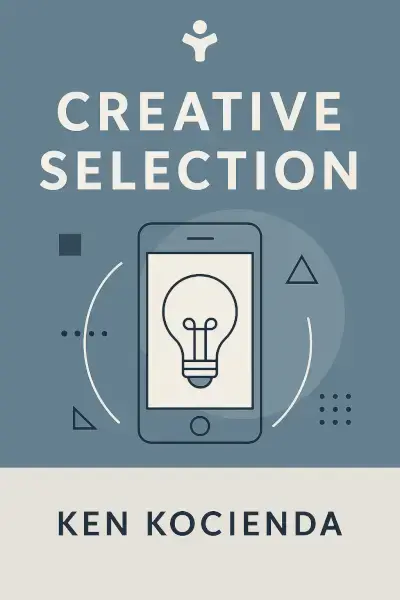
Book summary
by Ken Kocienda
Premium summary · Opens in the app · 30 min read
In the summer of 2001, Ken Kocienda walked into Apple's headquarters in Cupertino, California, carrying a single sheet of paper. On it was a list of topics he had prepared for his job interview. He was a self-taught programmer who had spent years working at a small startup, and he was about to join the company that would define the next two decades of personal technology.
**Author:** Ken Kocienda **Estimated Reading Time:** 45 minutes
How Apple built some of the most influential software products in history through a process called creative selection. You will discover why small teams outperform large ones, how demos became the engine of innovation, why taste matters more than data in design decisions, and what it was like to work directly with Steve Jobs during the creation of Safari and the original iPhone.
This book is for anyone who creates things: software engineers, designers, product managers, entrepreneurs, writers, and makers of all kinds. It is also for readers curious about how Apple operated during its most innovative period, and for anyone who wants to understand how great products emerge from the messy, iterative work of real teams.
In the summer of 2001, Ken Kocienda walked into Apple's headquarters in Cupertino, California, carrying a single sheet of paper. On it was a list of topics he had prepared for his job interview. He was a self-taught programmer who had spent years working at a small startup, and he was about to join the company that would define the next two decades of personal technology. What he found inside Apple was not what he expected. There were no massive process documents, no elaborate project management frameworks, no layers of approval between engineers and executives. Instead, he found something far more unusual: a culture built around making things, showing them to other people, and letting the best ideas win. This book tells the story of how that culture worked. It is not a corporate memoir filled with polished anecdotes and carefully managed revelations. It is an honest account of what it felt like to be in the room when decisions were made about products that billions of people would eventually use. The central problem Kocienda addresses is one that every creative person faces: how do you make good decisions when you are building something new? When there is no existing template to follow, no established market to study, no user base to survey, how do you know if you are heading in the right direction? Apple's answer was deceptively simple. You build a demo. You show it to people whose judgment you trust. You watch their reactions. You listen to their feedback. Then you go back and build another demo, incorporating what you learned. Repeat this cycle enough times, and something remarkable emerges: a product that feels inevitable, as though it could not have been designed any other way. Kocienda calls this process creative selection. It is a variation on natural selection, applied to the world of product development. In nature, organisms generate variation through mutation and reproduction, and the environment selects which variations survive.…
Continue reading in the MinuteRead app
Get the complete 30-minute summary of Creative Selection
Get the complete summary in the appDemos are the fundamental unit of creative work. Build them, show them, learn from them.
Creative selection is the process of generating variation through demos and selecting what works through feedback.
Small teams outperform large teams for creative work because they enable direct communication and fast decisions.
Great products combine technical excellence with humanistic values.
Taste is a skill that can be developed and trusted. It provides coherence and enables speed.
Specific, direct feedback from someone with good judgment is invaluable.
"Creative Selection" is a strong fit if you want practical ideas around design, business, technology, especially themes like demos are the fundamental unit of creative work. build them, show them, learn from them; creative selection is the process of generating variation through demos and selecting what works through feedback. The MinuteRead summary distills these concepts into a focused read, whether you're deciding whether to buy the book or applying its lessons at work.
Ken Kocienda is a software engineer and designer who worked at Apple for 15 years. He played a significant role in developing the Safari web browser and the original iPhone keyboard. Kocienda's background as a self-taught programmer and his experience working on groundbreaking projects at Apple during its renaissance under Steve Jobs provide him with unique insights into the company's creative process. His work focused on the intersection of technology and liberal arts, a key principle of Apple'…
View all summaries by Ken KociendaContinue Reading
Access the complete 30-minute summary and thousands more nonfiction books in the MinuteRead app.

Continue reading the complete summary in the MinuteRead app.