MinuteRead
30 min
Book summary
Premium summary · Opens in the app · 30 min read
Every day, you make thousands of decisions. Most of them happen in an instant, below the level of conscious thought. You choose one product over another on a crowded shelf. You trust one company with your money and hesitate with another. You recommend a restaurant to a friend or warn them away. In each case, something is guiding you. That something is a brand.
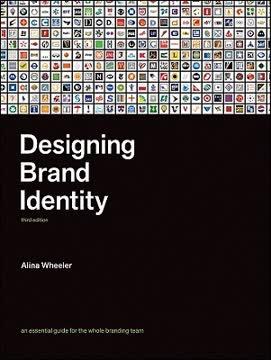
### An Essential Guide for the Whole Branding Team
**Author:** Alina Wheeler
**Estimated Reading Time:** 45 minutes
**What You'll Learn:**
- Why a brand is far more than a logo, a name, or a marketing campaign - How to build a brand identity system that creates recognition and drives loyalty - The five-step process used by the world's best branding firms - How to conduct research that reveals genuine customer insight - How to manage brand assets across every touchpoint and over time - Why social media and sustainability have fundamentally changed the rules of branding
**Who This Book Is For:**
This book is for anyone responsible for building, managing, or protecting a brand. It is for designers who need to understand strategy. It is for marketers who need to understand design. It is for executives who need to understand why brand consistency matters to the bottom line. It is for students who want a clear, practical framework for how branding actually works. Whether you are launching a startup, rebranding a corporation, or simply trying to understand why some brands thrive while others fade, this book gives you the tools to think clearly and act confidently.
Every day, you make thousands of decisions. Most of them happen in an instant, below the level of conscious thought. You choose one product over another on a crowded shelf. You trust one company with your money and hesitate with another. You recommend a restaurant to a friend or warn them away. In each case, something is guiding you. That something is a brand. Most people think a brand is a logo. They think branding is about picking colors and choosing fonts. They think brand identity is the visual stuff that decorates a product or a website. This misunderstanding is costly. It leads companies to invest in surface-level design while ignoring the deeper work that actually builds lasting value. It leads executives to treat branding as a marketing expense rather than a strategic asset. It leads organizations to communicate inconsistently, confusing the very people they are trying to win over. Alina Wheeler wrote Designing Brand Identity to correct this misunderstanding. Her central message is simple but profound: a brand is not what you say it is. A brand is what people feel about you. It is a gut feeling that lives in the minds and hearts of consumers. It is the sum total of every experience, every impression, every interaction, and every memory associated with your product, service, or company. You cannot control that feeling directly. But you can influence it. You can shape it. You can build it deliberately. This matters because we live in a world of overwhelming choice. In nearly every…
Continue reading in the MinuteRead app
Get the complete 30-minute summary of Designing Brand Identity
Get the complete summary in the appA brand is a gut feeling, not a logo or a product.
Brand identity is the tangible expression of the brand, designed to create recognition and differentiation.
Branding follows a five-phase process: research, strategy, design, touchpoints, and asset management.
Research must be well-designed and correctly analyzed to reveal genuine insight.
Brand strategy defines positioning, essence, promise, personality, and values.
Design decisions should be grounded in strategy, not personal taste.
"Designing Brand Identity" is a strong fit if you want practical ideas around design, business, art design, especially themes like a brand is a gut feeling, not a logo or a product; brand identity is the tangible expression of the brand, designed to create recognition and differentiation. The MinuteRead summary distills these concepts into a focused read, whether you're deciding whether to buy the book or applying its lessons at work.
Alina Wheeler is a brand consultant, speaker, and author known for her expertise in brand identity. Her work focuses on managing perception and strategic imagination. Wheeler has revolutionized marketing education by demystifying branding concepts and highlighting industry best practices. Her approach combines practical tools with creative thinking, making complex branding principles accessible to a wide audience. Through her writing and consulting, Wheeler has established herself as a leading v…
View all summaries by Alina WheelerContinue Reading
Access the complete 30-minute summary and thousands more nonfiction books in the MinuteRead app.

Continue reading the complete summary in the MinuteRead app.