MinuteRead
30 min
Book summary
by Miya Tokumitsu
Premium summary · Opens in the app · 30 min read
Somewhere along the way, a strange idea took hold of the modern imagination. It whispers from graduation speeches, glows from inspirational posters, and fills the pages of career advice books. The idea is simple: if you find work you love, you will never work a day in your life. Success and happiness will follow naturally. Your passion will fuel your productivity. Your enthusiasm will open doors. Your authentic self will shine through your professional achievements.
**Author:** Miya Tokumitsu
**Estimated Reading Time:** 45 minutes
**What You'll Learn:** Why the advice to "do what you love" is not just misleading but actively harmful, how it enables exploitation in modern workplaces, and what a more honest relationship with work could look like.
**Who This Book Is For:** Anyone who has felt guilty for not loving their job, wondered why their passion didn't lead to fulfillment, or suspected that the modern worship of work hides something deeply troubling about our economy and culture.
Somewhere along the way, a strange idea took hold of the modern imagination. It whispers from graduation speeches, glows from inspirational posters, and fills the pages of career advice books. The idea is simple: if you find work you love, you will never work a day in your life. Success and happiness will follow naturally. Your passion will fuel your productivity. Your enthusiasm will open doors. Your authentic self will shine through your professional achievements. This idea has become so pervasive that questioning it feels almost sacrilegious. To suggest that work might not be about love, that passion might not lead to prosperity, or that the pursuit of fulfilling employment might actually be making people miserable is to invite confusion, defensiveness, or outright hostility. The advice to "do what you love" has achieved the status of common sense. But Miya Tokumitsu asks a different question. What if this advice is not wisdom but ideology? What if the injunction to love your work serves not the worker but the employer? What if the romanticization of labor hides the reality that work is, and always has been, difficult, demanding, and often unpleasant? The problem begins with a simple observation. Work is work. Even the most glamorous creative professions involve tedium, frustration, physical strain, and moments of profound doubt. Michelangelo, painting the Sistine Chapel, did not float on a cloud of artistic bliss. He strained his neck, endured physical pain, argued with patrons, and wrestled with the technical demands of his craft. He produced something magnificent, but the production itself was labor. The modern "do what you love" narrative flattens this complexity. It suggests that the right job will feel effortless, that passion will carry you through challenges, and that any discomfort signals a mismatch between you and your work. This framing does something dangerous. It transforms the structural realities of employment into personal problems. If you are unhappy at work, the logic goes, you simply haven't found your true calling. The fault lies with you, not with the conditions of your labor. This book examines the consequences of that logic. It traces how the "do what you love" ethos, often abbreviated as DWYL, emerged from a particular historical…
Continue reading in the MinuteRead app
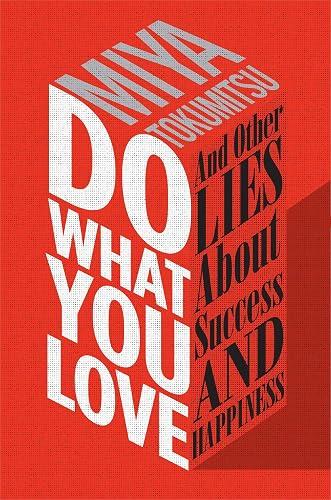
Get the complete 30-minute summary of Do What You Love and Other Lies About Success and Happiness
Get the complete summary in the appThe advice to "do what you love" is a myth that obscures the reality of work and enables exploitation.
Work is work. Even magnificent achievements emerge from difficult, demanding, and often unwanted labor.
The DWYL ethos is narcissistic, encouraging focus on personal fulfillment while ignoring the conditions of other workers
The visibility hierarchy ranks work based on cultural prestige rather than actual value, rendering essential workers inv
The promise of autonomy is often a mirage. Modern workplaces are characterized by surveillance, management, and control.
Student debt functions as social control, making workers more submissive and less likely to challenge exploitation.
"Do What You Love and Other Lies About Success and Happiness" is a strong fit if you want practical ideas around sociology, business, politics, especially themes like the advice to "do what you love" is a myth that obscures the reality of work and enables exploitation; work is work. even magnificent achievements emerge from difficult, demanding, and often unwanted labor. The MinuteRead summary distills these concepts into a focused read, whether you're deciding whether to buy the book or applying its lessons at work.
Motivated to help readers with ultimately, Miya Tokumitsu wrote “Do What You Love and Other Lies About Success and Happiness” to package those ideas for a fast, focused read. In “Do What You Love and Other Lies About Success and Happiness”, Miya Tokumitsu focuses on ultimately. Through “Do What You Love and Other Lies About Success and Happiness”, Miya Tokumitsu distills the core ideas on sociology into lessons readers can absorb in a single short sitting. Readers turn to this work when they wan…
Continue Reading
Access the complete 30-minute summary and thousands more nonfiction books in the MinuteRead app.

Continue reading the complete summary in the MinuteRead app.