MinuteRead
30 min
Book summary
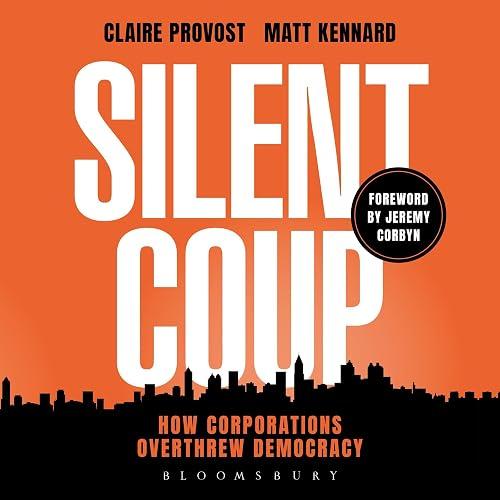
by Claire Provost
Premium summary · Opens in the app · 30 min read
In 2012, a mining company called Pacific Rim sued the government of El Salvador for $250 million. The company had been denied a permit to dig for gold because the government worried about water contamination and environmental damage. Pacific Rim did not sue in Salvadoran courts. It did not appeal to any elected body. Instead, it took its case to a private international tribunal operating under rules most people have never heard of.
**Author:** Claire Provost
**Estimated Reading Time:** 45 minutes
**What You'll Learn:**
How corporations built a parallel system of power that operates beyond democratic reach, why this system remains largely invisible to the public, and what ordinary people can do to understand and challenge it.
**Who This Book Is For:**
Anyone who has wondered why governments seem unable to regulate corporations, why public money flows to private interests, or how economic power translates into political control. This book is for citizens who want to see the machinery behind the curtain.
In 2012, a mining company called Pacific Rim sued the government of El Salvador for $250 million. The company had been denied a permit to dig for gold because the government worried about water contamination and environmental damage. Pacific Rim did not sue in Salvadoran courts. It did not appeal to any elected body. Instead, it took its case to a private international tribunal operating under rules most people have never heard of. The tribunal had the power to order El Salvador to pay. The case dragged on for years, costing the small Central American nation millions in legal fees. Eventually, El Salvador won. But the victory came at enormous cost, and the mere threat of such lawsuits has changed how governments around the world make decisions. This is not an isolated story. It is one thread in a vast web of legal arrangements, financial structures, and political strategies that have quietly transferred power from elected governments to private corporations. Claire Provost and her collaborator Matt Kennard spent years investigating this web. What they found is disturbing: a system of corporate power that operates largely outside public view, protected by complex legal language, obscure institutions, and a media landscape that rarely explains what is happening. The problem is not simply that corporations are powerful. Corporations have been powerful for centuries. The problem is that they have built an entire infrastructure designed to make their power permanent and unaccountable. This infrastructure includes international tribunals that can override national laws, aid programs that funnel public money to private companies, special economic zones where normal rules do not apply, and private security forces that protect corporate interests with minimal oversight. Most people sense that something is wrong. They see governments bailing out banks while cutting public services. They watch as trade deals are negotiated in secret and then presented as done deals. They notice that politicians who promise to regulate corporations somehow never manage to do it. But the specific mechanisms remain obscure. The language is technical. The institutions are unfamiliar. The scale is difficult to grasp. This book exists to make the invisible visible. It explains how the system works, who built it,…
Continue reading in the MinuteRead app
Get the complete 30-minute summary of Silent Coup
Get the complete summary in the appCorporations have built a parallel system of governance that operates alongside and often above democratic institutions.
Investor-state dispute settlement allows corporations to sue governments in private tribunals for passing laws that redu
Much foreign aid flows to corporations in donor countries rather than to poor people in recipient countries.
Special Economic Zones create corporate-controlled territories where normal laws do not apply.
Private security personnel outnumber police in many countries, shifting the means of coercion from public to private han
The US nuclear weapons complex is largely run by private contractors with a vested interest in maintaining nuclear progr
"Silent Coup" is a strong fit if you want practical ideas around politics, economics, history, especially themes like corporations have built a parallel system of governance that operates alongside and often above democratic institutions; investor-state dispute settlement allows corporations to sue governments in private tribunals for passing laws that redu. The MinuteRead summary distills these concepts into a focused read, whether you're deciding whether to buy the book or applying its lessons at work.
Motivated to help readers with will the rights of private investors be enforced, Claire Provost wrote “Silent Coup” to package those ideas for a fast, focused read. In “Silent Coup”, Claire Provost focuses on will the rights of private investors be enforced. Through “Silent Coup”, Claire Provost distills the core ideas on politics into lessons readers can absorb in a single short sitting. Readers turn to this work when they want Claire Provost's perspective on the subject without working through…
Continue Reading
Access the complete 30-minute summary and thousands more nonfiction books in the MinuteRead app.

Continue reading the complete summary in the MinuteRead app.