MinuteRead
30 min
Book summary
Premium summary · Opens in the app · 30 min read
The immigration debate in America is loud, angry, and almost entirely disconnected from reality. Politicians thunder about border security. Pundits warn of cultural disintegration. Talk radio hosts claim immigrants are stealing jobs and draining public coffers. Through all the noise, one might reasonably conclude that immigration is a simple problem with simple solutions: build walls, deport people, enforce the law.
**Author:** Aviva Chomsky **Estimated Reading Time:** 2 hours 15 minutes
**What You'll Learn:** Why immigration patterns exist as they do, how U.S. policies created the very migration flows many now fear, the hidden economic contributions of immigrant workers, and why border militarization fails while causing human tragedy. You will understand the historical forces that shaped American attitudes toward immigrants and discover what a genuinely humane immigration system could look like.
**Who This Book Is For:** Anyone who has wondered why certain countries send more immigrants to the United States than others. Anyone who has heard claims about immigrants draining public resources and wanted to know what the evidence actually shows. Anyone who senses that the immigration debate is missing something fundamental but cannot quite articulate what that something is.
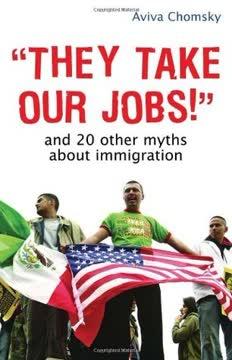
The immigration debate in America is loud, angry, and almost entirely disconnected from reality. Politicians thunder about border security. Pundits warn of cultural disintegration. Talk radio hosts claim immigrants are stealing jobs and draining public coffers. Through all the noise, one might reasonably conclude that immigration is a simple problem with simple solutions: build walls, deport people, enforce the law. Aviva Chomsky argues that this entire framing is wrong. Not slightly wrong. Fundamentally wrong. The real story of immigration to the United States is not a story of individual choices made by people who simply prefer American wages. It is a story of global economic structures, centuries of colonial history, and deliberate policy decisions made in Washington boardrooms and corporate headquarters. The same economic policies that have enriched American corporations have systematically dismantled local economies across Latin America, creating conditions where migration becomes not a choice but a survival strategy. Chomsky brings an unusual combination of skills to this argument. As a professor of Latin American studies and history at Salem State University, she understands the deep historical forces that connect the United States to its southern neighbors. As an immigrants' rights activist with over twenty-five years of experience, she has seen firsthand how American policies affect real human beings. Her perspective is neither that of a detached academic nor that of a slogan-chanting protester. It is the perspective of someone who has studied the evidence carefully and spent decades working alongside immigrant communities. The book's title captures the problem perfectly. "They take our jobs!" is the rallying cry of anti-immigrant sentiment, a phrase that reduces complex economic realities to a simple story of us versus them. Chomsky dismantles this story piece by piece, showing that immigrants are not the cause of American economic insecurity but rather fellow victims of the same global economic forces that have made life harder for working people everywhere. What makes this book different from other…
Continue reading in the MinuteRead app
Get the complete 30-minute summary of "They Take Our Jobs!"
Get the complete summary in the appImmigration is not random. It follows historical channels created by colonialism, military intervention, and economic do
Immigrants pay more in taxes than they receive in benefits. They are net economic contributors.
Border militarization has killed thousands without reducing unauthorized immigration. It addresses symptoms, not causes.
American foreign policy created many of the conditions that drive migration from Latin America.
American immigration law was explicitly racist for most of the country's history, and race remains central to the immigr
Guest worker programs create an exploitable underclass by tying workers to single employers and denying them real rights
""They Take Our Jobs!"" is a strong fit if you want practical ideas around politics, immigration, history, especially themes like immigration is not random. it follows historical channels created by colonialism, military intervention, and economic do; immigrants pay more in taxes than they receive in benefits. they are net economic contributors. The MinuteRead summary distills these concepts into a focused read, whether you're deciding whether to buy the book or applying its lessons at work.
Aviva Chomsky is a distinguished academic specializing in Latin American studies and history. As a professor at Salem State University, she has authored several books and coordinated the Latin American Studies program. Chomsky's expertise extends beyond academia, as she has been actively involved in Latin American solidarity and immigrants' rights advocacy for over 25 years. Her background combines scholarly research with practical activism, providing a unique perspective on immigration issues. …
View all summaries by Aviva ChomskyContinue Reading
Access the complete 30-minute summary and thousands more nonfiction books in the MinuteRead app.

Continue reading the complete summary in the MinuteRead app.