MinuteRead
30 min
Book summary
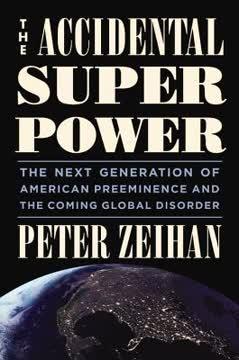
by Peter Zeihan
Premium summary · Opens in the app · 30 min read
Every generation believes it is living through unprecedented change. Usually, that belief is wrong. Most of what feels chaotic in any given decade is simply the continuation of patterns that have been unfolding for centuries. But occasionally, something genuinely fundamental shifts. The ground beneath the international order cracks. The assumptions that guided policy for decades stop working. The maps that once explained the world become obsolete.
**Author:** Peter Zeihan
**Estimated Reading Time:** 45 minutes
**What You'll Learn:**
- Why geography, not ideology, determines which nations rise and which collapse - How the United States became a superpower by accident rather than design - Why the global order created after World War II is now unraveling - What demographic collapse means for Europe, Japan, and China - How energy independence is reshaping America's role in the world - What the coming decades of disorder mean for your life, career, and investments
**Who This Book Is For:**
Anyone who wants to understand why the world works the way it does. If you have ever wondered why some countries prosper while others struggle, why wars happen where they do, or why the global economy seems perpetually fragile, this book provides a framework that makes sense of it all. It is for investors, business leaders, students of history, and curious readers who suspect that the nightly news is missing the deeper story.
Every generation believes it is living through unprecedented change. Usually, that belief is wrong. Most of what feels chaotic in any given decade is simply the continuation of patterns that have been unfolding for centuries. But occasionally, something genuinely fundamental shifts. The ground beneath the international order cracks. The assumptions that guided policy for decades stop working. The maps that once explained the world become obsolete. Peter Zeihan argues that we are living through one of those rare moments. The world we inherited was not natural. It was built. After the devastation of World War II, the United States constructed an international system designed to prevent another global conflict. That system, known as Bretton Woods, provided free trade, security guarantees, and access to American markets for dozens of nations. It was not charity. It was strategy. By making the world dependent on American protection and American consumption, the United States created an order that served its own interests while simultaneously lifting hundreds of millions of people out of poverty. That order worked astonishingly well for nearly seven decades. Global trade expanded. Wars between major powers became unthinkable. Germany and Japan, once bitter enemies, became prosperous allies. China rose from famine to economic superpower status. The Soviet Union collapsed not from military defeat but from economic exhaustion. The American system won. But systems do not last forever. The conditions that made Bretton Woods possible are disappearing. The United States no longer needs the world the way it once did. The demographic foundations of the global economy are cracking. The energy equation that made the Middle East strategically vital has been upended by American shale production. The result is a world entering a period of profound disorder, a return to…
Continue reading in the MinuteRead app
Get the complete 30-minute summary of The Accidental Superpower
Get the complete summary in the appGeography determines what nations can do, what they cannot do, and what they will do when forced.
The United States became a superpower by accident, thanks to its unique geographic advantages.
The Bretton Woods system created the post-war order, and that system is now ending.
Demographics are destiny. Aging populations mean economic decline.
The shale revolution has made the United States energy independent and reshaped global geopolitics.
The free trade era is ending, and trade will become more regional and less global.
"The Accidental Superpower" is a strong fit if you want practical ideas around politics, history, economics, especially themes like geography determines what nations can do, what they cannot do, and what they will do when forced; the united states became a superpower by accident, thanks to its unique geographic advantages. The MinuteRead summary distills these concepts into a focused read, whether you're deciding whether to buy the book or applying its lessons at work.
Peter Zeihan is a geopolitical strategist and expert in global energy, demographics, and security. He combines geographical and population realities with geopolitical understanding to analyze markets and economic trends. Zeihan's career includes working for the US State Department, DC think tanks, and Stratfor. In 2012, he founded Zeihan on Geopolitics, providing custom analysis to diverse clients across sectors. Known for his irreverent approach, Zeihan transforms complex topics into accessible…
View all summaries by Peter ZeihanContinue Reading
Access the complete 30-minute summary and thousands more nonfiction books in the MinuteRead app.

Continue reading the complete summary in the MinuteRead app.