MinuteRead
30 min
Book summary
by Mads Soegaard
Premium summary · Opens in the app · 30 min read
Every day, you encounter dozens of digital products. Some of them feel invisible. You open an app, complete a task, and move on with your life without a moment of friction or confusion. Others feel like battles. You struggle to find a button, misinterpret a label, or abandon a purchase because the checkout process demands too much from you. The difference between these experiences is not accidental. It is the result of deliberate decisions made by people who either understood user experience des
**Author:** Mads Soegaard
**Estimated Reading Time:** 45 minutes
**What You'll Learn:** - The core principles that separate successful digital products from forgotten ones - How to apply design thinking to solve complex problems - The seven essential qualities every user experience must possess - Practical research methods to understand what users truly need - How to design for mobile, visualize information, and create meaningful interactions
**Who This Book Is For:** This book is for anyone involved in creating digital products, whether you are a designer just starting out, a developer who wants to understand why some interfaces feel effortless while others frustrate, a product manager seeking to make better decisions, or an entrepreneur who recognizes that user experience can be the difference between success and failure. No prior design knowledge is required. What is required is curiosity about how people interact with technology and a willingness to see products through the eyes of the people who use them.
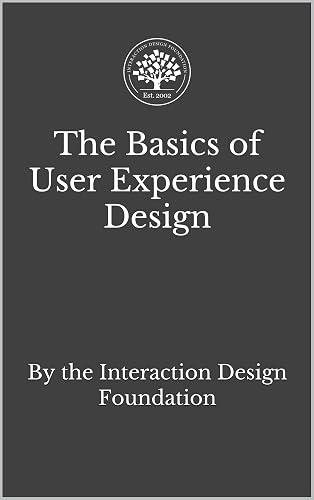
Every day, you encounter dozens of digital products. Some of them feel invisible. You open an app, complete a task, and move on with your life without a moment of friction or confusion. Others feel like battles. You struggle to find a button, misinterpret a label, or abandon a purchase because the checkout process demands too much from you. The difference between these experiences is not accidental. It is the result of deliberate decisions made by people who either understood user experience design or ignored it entirely. The central premise of this book is deceptively simple. You can add all the features and functionality that you like to a site or application, but the success of the project rides on a single factor: how the users feel about it. This statement carries profound implications. It suggests that technical excellence, while necessary, is never sufficient. It suggests that the emotional response of the person using your product matters as much as the code that powers it. It suggests that design is not decoration but a strategic discipline that determines whether your product thrives or dies. The problem is that most people misunderstand what user experience design actually involves. They think it means making things look pretty. They think it happens at the end of a project, when someone adds colors and fonts to an already-built product. They think it is subjective, a matter of personal taste rather than a rigorous practice grounded in research and testing. These misconceptions lead to products that frustrate users, waste development resources, and fail in the marketplace. Mads Soegaard wrote this book to correct those misconceptions. As the founder of the Interaction Design Foundation, he has spent years teaching designers, developers, and business leaders how to create products…
Continue reading in the MinuteRead app
Get the complete 30-minute summary of The Basics of User Experience Design
Get the complete summary in the appThe success of any digital product depends on how users feel about it, not just what it does.
Design thinking is a five-phase process: Empathize, Define, Ideate, Prototype, and Test. It is iterative, not linear.
The seven qualities of user experience are useful, usable, findable, credible, desirable, accessible, and valuable. Bala
Usability encompasses effectiveness, efficiency, and satisfaction. Test with real users to identify problems.
Observing user behavior is more reliable than asking users what they want. Watch what people do, not just what they say.
Interaction design shapes the relationship between users and products through words, visuals, context, time, and behavio
"The Basics of User Experience Design" is a strong fit if you want practical ideas around design, technology, reference, especially themes like the success of any digital product depends on how users feel about it, not just what it does; design thinking is a five-phase process: empathize, define, ideate, prototype, and test. it is iterative, not linear. The MinuteRead summary distills these concepts into a focused read, whether you're deciding whether to buy the book or applying its lessons at work.
Motivated to help readers with "You can add all the features and functionality that you like to a site or application, Mads Soegaard wrote “The Basics of User Experience Design” to package those ideas for a fast, focused read. In “The Basics of User Experience Design”, Mads Soegaard focuses on "You can add all the features and functionality that you like to a site or application. Through “The Basics of User Experience Design”, Mads Soegaard distills the core ideas on design into lessons readers …
Continue Reading
Access the complete 30-minute summary and thousands more nonfiction books in the MinuteRead app.

Continue reading the complete summary in the MinuteRead app.